Echoes of Ingenuity: The Enduring Wisdom of Native American Food Preservation
The story of human survival is often etched in the landscape, a narrative of adapting to its rhythms and harnessing its bounty. For the Indigenous peoples of North America, this story is particularly profound, marked by an intricate understanding of their environment and a sophisticated suite of food preservation techniques that allowed communities to thrive across vast and varied ecosystems. Far from simple, these methods were a testament to ingenuity, ecological wisdom, and a deep, respectful relationship with the land and its creatures. In an era where modern food systems grapple with sustainability and waste, the ancient practices of Native Americans offer invaluable lessons in resilience, resourcefulness, and living in harmony with nature.
Before the arrival of European settlers, Native American communities faced the universal challenge of ensuring food security through lean seasons, long winters, and periods of travel or conflict. Their solutions were not merely practical; they were embedded within cultural practices, spiritual beliefs, and communal well-being. From the sun-baked deserts of the Southwest to the salmon-rich rivers of the Pacific Northwest and the bison-laden plains, different environments dictated different approaches, yet the underlying principles of observation, respect, and long-term planning remained constant.
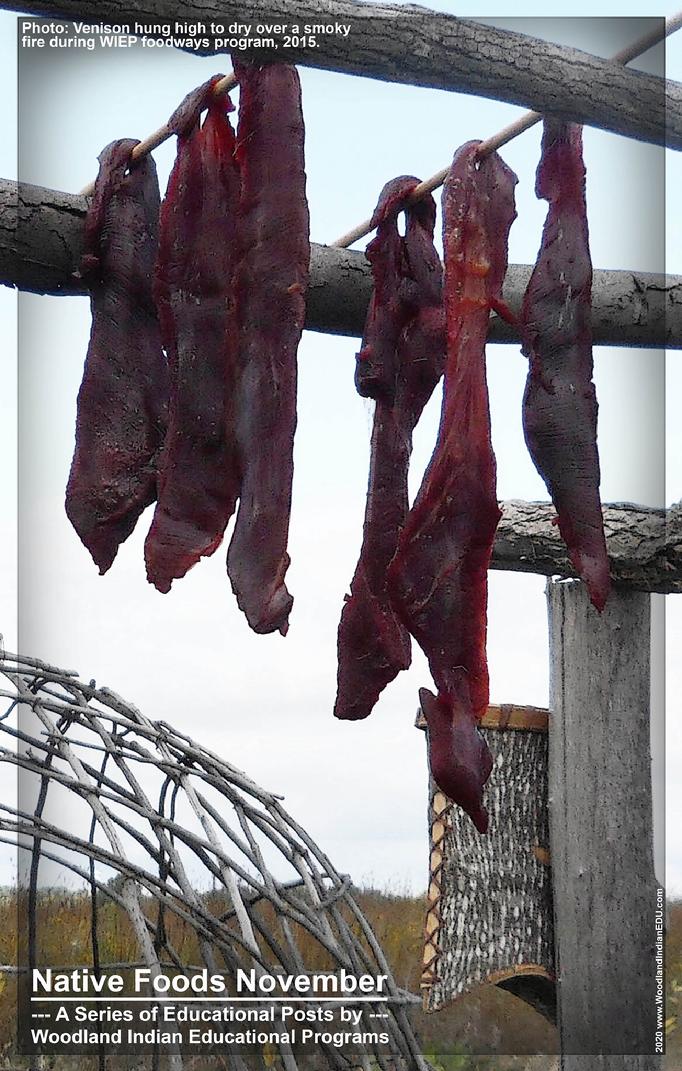
One of the most widespread and fundamental preservation methods was drying. Leveraging the power of sun and wind, Native Americans transformed perishable foods into stable, nutrient-dense provisions. Meat, especially from large game like bison, deer, and elk, was thinly sliced and hung on wooden racks or laid on rocks to dry, often after being lightly smoked. This process yielded jerky, a lightweight, protein-packed food that could sustain hunters and travelers for extended periods. Archaeological evidence suggests the practice of drying meat dates back thousands of years, a testament to its enduring efficacy.
Fish, particularly salmon in the Pacific Northwest, was also extensively dried. After being filleted, salmon was hung in smokehouses or air-dried on racks, a process that not only preserved the fish but also imparted a distinct, smoky flavor. The resulting dried salmon was a crucial trade item and a dietary staple, providing essential fats and proteins through the winter months. Fruits and vegetables were similarly preserved; corn, berries, and even some roots were dried, allowing for storage and later rehydration or incorporation into meals. The sheer scale of drying operations, especially for staple crops like corn, was immense, requiring communal effort and specialized structures.
A remarkable example of dried food ingenuity is pemmican, a superfood developed by Plains tribes. This concentrated mixture typically consisted of dried, pulverized meat (often bison), rendered animal fat (tallow), and sometimes dried berries (like chokecherries or cranberries). The fat acted as a natural preservative, sealing the meat and berries from oxygen and moisture. Pemmican was incredibly energy-dense, lightweight, and non-perishable for years, making it the ideal survival food for long hunting expeditions, warfare, and severe winters. It was a complete meal in a compact package, a testament to the sophisticated understanding of nutrition and chemistry held by its creators.


Smoking was another cornerstone of Native American preservation, often used in conjunction with drying. Beyond its role in preparing jerky and dried fish, smoking imparted a distinct flavor profile and, crucially, introduced antibacterial compounds from the wood smoke, further extending the shelf life of meats and fish. Specialized smokehouses, often communal structures, were carefully designed to control temperature and airflow, allowing for a slow, consistent smoke that penetrated the food without cooking it. The choice of wood, whether hickory, oak, or alder, was deliberate, each contributing its unique aroma and preservative qualities.
For agricultural societies, particularly in the Southwest and Northeast, storage in pits and caches was paramount. The "Three Sisters" – corn, beans, and squash – formed the dietary backbone of many tribes, and their preservation was critical. Corn was dried on the cob or shelled, and then stored in large, ceramic vessels or woven baskets. These containers were often buried in specially dug pits, sometimes lined with bark or stone, and sealed with earth. These underground larders provided a stable, cool, and dark environment, protecting the food from rodents, insects, and temperature fluctuations. Archaeological findings have uncovered extensive pit storage systems, some capable of holding tons of grain, demonstrating sophisticated engineering and communal foresight.
The Pueblo peoples, for instance, utilized intricate multi-story adobe structures with dedicated storage rooms, often with small, tightly sealed openings to protect against pests and climate. Their kivas, while primarily ceremonial spaces, sometimes also functioned as communal storage areas, highlighting the interconnectedness of food, community, and spirituality.
While less common than drying and smoking, some forms of fermentation were also practiced. Certain berries or plant roots might be allowed to ferment to produce beverages or to alter their texture and digestibility. For example, some tribes fermented corn into a sour gruel or a form of beverage, a process that not only preserved the corn but also enhanced its nutritional profile by making certain nutrients more bioavailable.
A particularly sophisticated technique, though not strictly preservation, that aided in the long-term storage and nutritional value of corn was nixtamalization. This ancient Mesoamerican process, adopted by many North American tribes, involved soaking and cooking corn in an alkaline solution (usually water and wood ash lye). This process softened the kernels, making them easier to grind into masa (dough), and crucially, released niacin (Vitamin B3), preventing conditions like pellagra. Nixtamalized corn also had a longer shelf life than untreated corn flour, contributing to food security.
Beyond these primary methods, other ingenious practices existed. The concentration of maple sap into maple syrup and sugar by Northeastern tribes was a form of preservation, reducing a perishable liquid into a stable, high-energy sweetener. The use of animal fats, not just in pemmican, but also as a sealant for other stored foods, showcased an understanding of its protective properties.
The wisdom embedded in these techniques extends far beyond mere calories. For many Indigenous peoples, food was not merely sustenance; it was a sacred gift, imbued with spirit and history. The act of hunting, gathering, and preserving was often accompanied by rituals of gratitude and respect for the natural world. This worldview fostered a deep understanding of ecological limits and promoted sustainable harvesting practices, ensuring that resources would be available for future generations. "We do not inherit the earth from our ancestors; we borrow it from our children," a common Indigenous saying goes, perfectly encapsulating this philosophy.
In today’s world, where industrial food systems often prioritize convenience over sustainability and nutritional integrity, the ancient preservation techniques of Native Americans offer profound lessons. They demonstrate that food security can be achieved through local resources, minimal technology, and deep ecological knowledge. They remind us of the value of reducing waste, the importance of communal effort, and the profound connection between our food, our health, and the health of the planet.
The legacy of Native American food preservation is not just a historical curiosity; it is a living testament to human ingenuity and resilience. As we confront challenges like climate change, food deserts, and the degradation of natural resources, the echoes of this ancient wisdom resonate louder than ever, urging us to rediscover a respectful and reciprocal relationship with the earth that sustains us all. These practices, born of necessity and perfected over millennia, stand as a powerful reminder that true sustainability lies in understanding, honoring, and working with the natural world, rather than against it.