

The Silent Art of the Waters: Native American Fishing Techniques and Their Enduring Wisdom
For millennia, long before the arrival of European settlers, the waters of North America teemed with life, providing sustenance, cultural identity, and spiritual connection for its Indigenous peoples. Fishing was not merely a means of survival; it was a sophisticated art, a science honed over countless generations, and a deeply integrated aspect of a holistic worldview that emphasized respect, reciprocity, and sustainability. From the frigid rivers of the Arctic to the sun-drenched coasts of the Gulf, Native American fishing techniques showcased an unparalleled ingenuity, adapting to diverse ecosystems and the specific behaviors of countless aquatic species.
This journalistic exploration delves into the rich history of these methods, uncovering the remarkable tools, strategies, and philosophies that allowed Indigenous communities to thrive while maintaining a delicate balance with their natural environment.
A Tapestry of Ingenuity: Diverse Techniques for Diverse Waters
The sheer diversity of North America’s aquatic environments – raging rivers, vast lakes, tidal estuaries, and open oceans – necessitated an equally diverse array of fishing techniques. What worked for salmon in the Pacific Northwest would be useless for cod in the Atlantic or catfish in the Mississippi. Native peoples developed specialized approaches, often combining multiple methods for optimal results.
1. The Art of the Net:
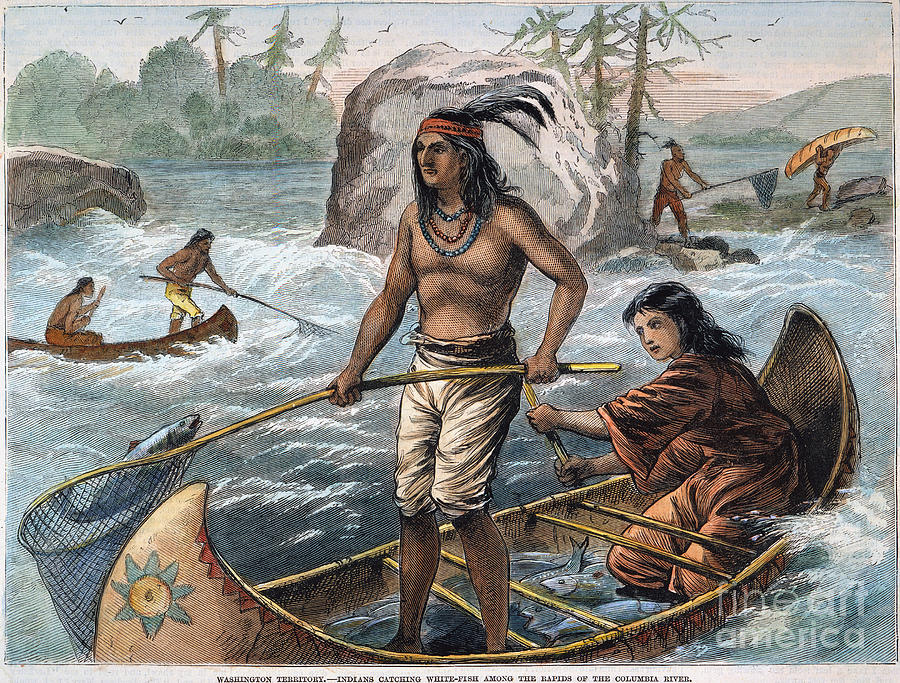
Nets were among the most widespread and versatile fishing tools, crafted with incredible skill from natural fibers. Depending on the region, materials included twisted nettle, dogbane, milkweed, cedar bark, spruce root, or even animal sinew. These fibers were meticulously processed, spun into strong twine, and then hand-knotted into various types of nets:

- Gillnets: Designed to entangle fish by their gills as they attempted to swim through, these nets were often set across rivers or in deeper lake waters. Their mesh size would be carefully chosen to target specific species, allowing smaller, juvenile fish to pass through, a subtle yet profound act of conservation.
- Dip Nets: Used with a long handle, these nets were employed in shallow waters, often from canoes or riverbanks, to scoop up fish, particularly during spawning runs when fish were plentiful and concentrated.
- Seines: Longer nets, often weighted at the bottom and buoyed at the top, were used by groups of people to encircle schools of fish, drawing them into shore or a designated collection area.
The weaving of nets was a time-consuming but essential skill, passed down through generations, often imbued with spiritual significance. As historian William J. Ingalls noted regarding early American Indigenous technologies, "The Indian’s life was a constant application of ingenuity to the materials at hand."
2. Weirs and Traps: Engineering the Waters:
Perhaps the most impressive examples of Native American fishing engineering were the weirs and fixed traps. These were not mere tools but sophisticated, often large-scale, constructions that demonstrated a profound understanding of fish migration patterns and water dynamics.


- River Weirs: Particularly prevalent in the Pacific Northwest, where massive salmon runs provided an annual bounty, these weirs were elaborate fences or dams constructed across rivers. Made from interwoven stakes, branches, and stones, they would channel fish into collection pens or narrow openings where they could be easily speared, netted, or scooped. Some weirs were several hundred feet long and required significant community effort to build and maintain. The Kwakiutl, for instance, constructed intricate salmon traps that funneled fish into holding pens, ensuring a sustainable harvest. These structures were so efficient that early European observers were often astonished by the sheer quantity of fish they yielded.
- Stone Traps: In shallower rivers and tidal areas, communities built V-shaped or U-shaped stone walls that would trap fish as the tide receded or as they swam downstream. These were passive traps, requiring little active management once constructed, and could be found along coastlines from Maine to California.
3. Spears and Harpoons: Precision and Skill:
For individual hunters, or for targeting larger fish like sturgeon or marine mammals, spears and harpoons were essential. These tools required immense skill, patience, and accuracy.
- Fishing Spears: Typically made from a long wooden shaft with a barbed point, often crafted from bone, antler, flint, or hardened wood. Multi-pronged spears were common, increasing the chances of a successful strike. Spear fishing was often done from canoes, riverbanks, or through holes in ice during winter.
- Harpoons: Distinguished from spears by a detachable head, often tethered to the shaft or a float. This design allowed the shaft to be retrieved after striking a large, powerful fish (like sturgeon or even small whales in coastal areas), preventing the loss of the entire weapon and providing a means to track and retrieve the catch. The Makah people of the Olympic Peninsula were renowned for their whaling harpoons, though these were for marine mammals rather than just fish.
4. Hooks and Lines: The Original Anglers:
While often perceived as a modern invention, hooks and lines have an ancient lineage in Native American fishing. Early hooks were ingeniously fashioned from natural materials:
- Bone and Shell Hooks: Curved pieces of bone (from deer, birds, or other animals) or sturdy shells (like mussel or abalone) were meticulously carved and sharpened into effective hooks.
- Wood Hooks: Some cultures used thorns or carved pieces of wood, sometimes composite hooks where a sharp bone barb was lashed to a wooden shank.
- Gorge Hooks: A simpler, double-pointed piece of bone or wood, tied in the middle. When swallowed, it would turn sideways, lodging in the fish’s throat.
- Lines were crafted from the same strong fibers used for nets, or from sinew. Baits included worms, insects, smaller fish, or clams.
5. Stupefying Plants: A Controlled Harvest:
A less common but historically significant method involved the use of natural plant compounds to temporarily stun or "stupefy" fish. Various plants, containing mild toxins, were crushed and introduced into small, contained bodies of water, like stagnant pools or isolated stream sections. The compounds would absorb into the fish’s gills, causing them to float to the surface in a disoriented state, where they could be easily collected.
It’s crucial to understand that this was a highly localized and controlled practice, not a method for mass destruction. It was used in specific contexts to harvest fish without damaging the ecosystem. For example, some Southwestern tribes used crushed yucca roots, while tribes in the Southeast might have used certain types of buckeye or other local flora. The knowledge of which plants to use, and how to use them safely and sustainably, was a guarded secret, passed down with strict protocols.
6. Other Ingenious Methods:
- Torch Fishing: At night, fish were attracted to the light of torches held over the water, making them easier targets for spears or nets.
- Stone Dams: Simple stone structures could be used to divert small streams or create pools where fish could be trapped.
- Hand Gathering: In some shallow areas or during spawning runs, fish were simply scooped out of the water by hand or with simple baskets.
Materials: Nature’s Workshop
The raw materials for these fishing technologies were all sourced directly from the environment, showcasing a profound understanding of local ecology and material science. Wood, stone, bone, antler, shell, plant fibers (cedar bark, spruce roots, nettle, hemp, yucca), animal sinew, and even animal bladders (for floats) were all transformed into effective tools through skilled craftsmanship. The selection of the right material for the right purpose was critical – strong, flexible cedar for weaving baskets and nets; dense, sharp obsidian or flint for spear points; durable bone for hooks and harpoon tips.
The Philosophy of Reciprocity and Sustainability
What truly sets Native American fishing techniques apart from many modern practices is the underlying philosophy that guided their use. Indigenous cultures did not view nature as a resource to be exploited, but as a living relative, a provider to be respected and reciprocated. This worldview fostered an innate sense of sustainability:
- Taking Only What’s Needed: The concept of "enough" was paramount. Fish were harvested for immediate consumption and for preservation (smoking, drying) for lean times, but rarely for surplus beyond community needs. Waste was considered disrespectful.
- Respect and Gratitude: Ceremonies of gratitude, such as the "First Salmon Ceremony" among Pacific Northwest tribes, honored the fish for their sacrifice and ensured their return. Offerings were often made back to the water.
- Conservation through Knowledge: The detailed understanding of fish life cycles, spawning grounds, and migration patterns was not just for efficient harvesting but also for ensuring the long-term health of the fish populations. Techniques like selective mesh sizes in nets allowed juveniles to escape, ensuring future generations.
- Communal Management: Fishing grounds and resources were often managed communally, with rules and traditions that prevented overfishing and ensured equitable distribution.
This deep-seated respect is eloquently captured in countless oral traditions. As one elder might say, "We do not own the fish; the fish own us, for they give us life. We must care for them as they care for us."
Beyond Sustenance: Cultural and Spiritual Significance
Fishing was far more than just food; it was a cornerstone of cultural identity, social structure, and spiritual life.
- Social Cohesion: Building large weirs or conducting communal net fishing expeditions required collective effort, reinforcing community bonds and teaching cooperation.
- Rites of Passage: Learning to fish, to craft tools, and to understand the ways of the water was often a vital part of a young person’s education and a marker of maturity.
- Art and Storytelling: Fish motifs were common in art, carvings, and basketry. Stories and legends often featured fish, embodying wisdom, perseverance, and the cycles of life.
- Trade and Economy: Preserved fish, particularly dried salmon, was a crucial trade commodity, facilitating economic exchange between different tribes and across vast distances.
A Living Legacy
While many traditional fishing techniques have been impacted by colonization, damming of rivers, pollution, and the introduction of modern fishing methods, the wisdom embedded within them remains profoundly relevant. Today, many Native American communities are actively engaged in revitalizing these ancient practices, not just as a way to secure food but as a means to reconnect with their heritage, strengthen cultural identity, and promote environmental stewardship.
The lessons learned over millennia by Indigenous peoples – of sustainable harvesting, respectful coexistence, and profound ecological understanding – offer invaluable insights for a world grappling with overfishing, environmental degradation, and climate change. The silent art of the waters, practiced by Native Americans for countless generations, stands as a testament to human ingenuity and the enduring power of a respectful relationship with the natural world. Their legacy reminds us that true progress lies not in conquering nature, but in living harmoniously within its intricate embrace.


