

The Shawnee Tribe of Oklahoma holds a unique and significant place in American history and within the landscape of Oklahoma. Understanding the Shawnee Tribe Reservation involves exploring its historical roots, its cultural importance, and its contemporary role in the lives of the Shawnee people. This comprehensive guide delves into the details of the Shawnee Tribe Reservation in Oklahoma, answering common questions and shedding light on this important aspect of Native American heritage.
A Brief History of the Shawnee Tribe
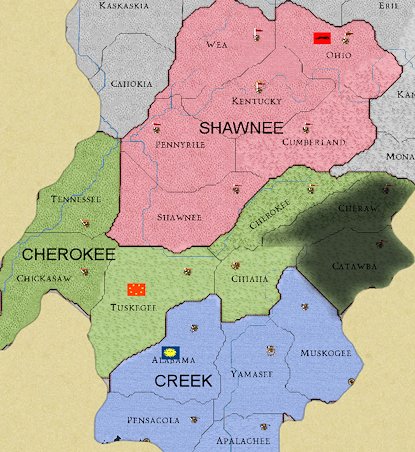
The Shawnee are an Algonquian-speaking people with a history stretching back centuries. Originally inhabiting areas spanning from the Ohio River Valley to the Mid-Atlantic region, the Shawnee were a nomadic and adaptable tribe. European colonization significantly impacted their traditional lands and way of life, leading to displacement and conflict. The Shawnee faced pressure from westward expansion, resulting in numerous treaties, forced removals, and relocations.
During the 18th and 19th centuries, the Shawnee were involved in various conflicts, including the French and Indian War, the American Revolutionary War, and the War of 1812. Notable Shawnee leaders such as Tecumseh and Tenskwatawa (The Prophet) played pivotal roles in resisting American expansion. Tecumseh’s Confederacy aimed to unite various tribes to defend their lands, but his death in 1813 marked a turning point.
The Indian Removal Act of 1830 further exacerbated the Shawnee’s plight, leading to their forced removal to lands west of the Mississippi River, including present-day Oklahoma. This period, known as the Trail of Tears for many tribes, was marked by immense suffering and loss.
The Establishment of the Shawnee Tribe Reservation in Oklahoma

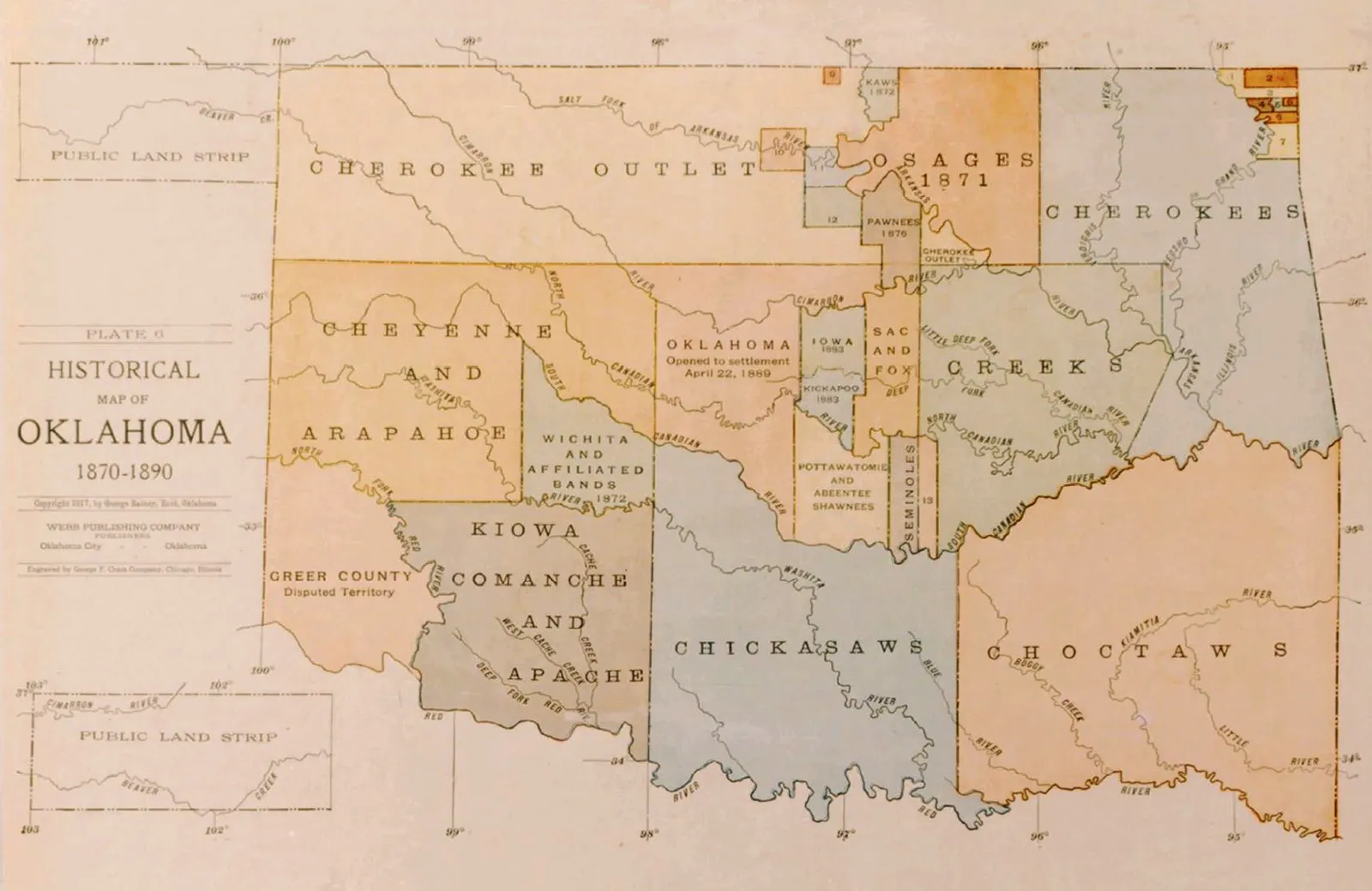
Following their removal, the Shawnee were resettled in Indian Territory, which later became Oklahoma. The Shawnee Tribe Reservation was established as a designated area for the Shawnee people to rebuild their communities and maintain their cultural identity. However, the reservation system itself was fraught with challenges, including land allotment policies that further eroded tribal land holdings.
Over time, the original reservation boundaries were altered due to various government policies and land sales. Today, the Shawnee Tribe’s jurisdiction and land base are different from the historical reservation, but the significance of the land remains central to the tribe’s identity.
It’s important to understand that the modern-day reality of tribal lands often involves a mix of tribal-owned land, individual Indian allotments, and land owned by non-tribal members within the historical reservation boundaries. This checkerboard pattern is a result of historical land policies.
What is the Current Status of the Shawnee Tribe?
Today, the Shawnee Tribe is a federally recognized tribe, which means it has a government-to-government relationship with the United States. This recognition allows the tribe to exercise its sovereignty, establish its own laws, and provide services to its members. The Shawnee Tribe operates under a constitution and elects its leaders.
The tribe is actively involved in various areas, including economic development, education, healthcare, and cultural preservation. They operate businesses, manage tribal programs, and advocate for the rights and interests of the Shawnee people.
Economic Development Initiatives
The Shawnee Tribe has pursued various economic development initiatives to improve the economic well-being of its members and the surrounding communities. These initiatives include operating casinos, retail businesses, and other enterprises that generate revenue for the tribe. These revenues are then reinvested into tribal programs and services.
The tribe also focuses on creating jobs and promoting entrepreneurship among its members. They offer training programs, business assistance, and other resources to support economic self-sufficiency.

Cultural Preservation Efforts
Preserving the Shawnee language, traditions, and cultural heritage is a top priority for the tribe. They offer language classes, cultural workshops, and other programs to educate tribal members and the wider community about Shawnee culture. The tribe also supports cultural events and gatherings that celebrate Shawnee heritage.
The Shawnee Tribe actively works to document and preserve its history through oral histories, archival research, and museum exhibits. They collaborate with educational institutions and other organizations to promote a better understanding of Shawnee culture and history.
Government and Services
The Shawnee Tribe operates its own government, with elected officials responsible for making decisions on behalf of the tribe. The tribal government provides a range of services to its members, including healthcare, education assistance, housing assistance, and social services.
The tribe also works to protect the rights and interests of its members through legal advocacy and political action. They engage with federal, state, and local governments to address issues affecting the Shawnee people.
Visiting the Shawnee Tribe and Learning More
While the Shawnee Tribe Reservation isn’t a tourist destination in the traditional sense, there are opportunities to learn more about the Shawnee people and their culture. The tribe operates a cultural center and museum where visitors can learn about Shawnee history, art, and traditions. Check the official Shawnee Tribe website for the most up-to-date information on visiting policies and educational programs.
Many museums and historical sites in Oklahoma also feature exhibits on Native American history, including the Shawnee. These sites offer valuable insights into the history and culture of the Shawnee people and their contributions to the state.
Common Questions About the Shawnee Tribe Reservation
What are the requirements for Shawnee Tribe membership? Tribal membership requirements vary, but generally involve demonstrating lineal descent from a person listed on the base roll or meeting other criteria established by the tribe.
How does the Shawnee Tribe government work? The Shawnee Tribe operates under a constitution and elects its leaders. The tribal government has legislative, executive, and judicial branches.
What types of programs and services does the Shawnee Tribe offer? The Shawnee Tribe offers a wide range of programs and services, including healthcare, education, housing, social services, and cultural preservation programs.
How can I learn more about Shawnee culture and history? Visit the Shawnee Tribe’s cultural center and museum, attend cultural events, and explore online resources and educational materials.
Does the Shawnee Tribe have a casino? Yes, the Shawnee Tribe operates casinos in Oklahoma, which contribute to the tribe’s economic development.
The Shawnee Tribe’s Enduring Legacy
The Shawnee Tribe’s history is one of resilience, adaptation, and cultural preservation. Despite facing immense challenges, the Shawnee people have maintained their identity and continue to thrive in Oklahoma and beyond. The Shawnee Tribe Reservation, though different from its historical form, remains a vital center for the Shawnee community.
By understanding the history, culture, and contemporary issues facing the Shawnee Tribe, we can gain a deeper appreciation for the contributions of Native American tribes to the rich tapestry of American history and culture. Supporting the Shawnee Tribe’s efforts to preserve their heritage and promote the well-being of their members is essential for ensuring a brighter future for the Shawnee people.
In conclusion, the Shawnee Tribe Reservation in Oklahoma represents more than just a geographical location; it embodies the history, culture, and resilience of the Shawnee people. From their origins in the Ohio River Valley to their forced removal and resettlement in Oklahoma, the Shawnee have faced numerous challenges. Today, the Shawnee Tribe is a vibrant and self-governing nation that continues to preserve its cultural heritage and promote the well-being of its members. Learning about the Shawnee Tribe and their reservation is an important step in understanding the broader history of Native Americans in the United States.
Key Takeaways
- The Shawnee Tribe has a long and complex history marked by displacement and resilience.
- The Shawnee Tribe Reservation in Oklahoma serves as a focal point for the Shawnee community.
- The tribe is actively involved in economic development, cultural preservation, and providing services to its members.
- Learning about the Shawnee Tribe contributes to a broader understanding of Native American history and culture.


