
The Original Harvesters: Unearthing the Enduring Legacy of Native American Gathering Practices
Before the plow broke the prairies, before fences carved the landscape, and long before supermarkets offered global produce, Native American communities across North America engaged in an intricate and profound dance with their environment: the practice of gathering. Far from a primitive means of subsistence, gathering was a sophisticated system of ecological knowledge, spiritual connection, and cultural identity that sustained diverse peoples for millennia. It was a cornerstone of survival, a testament to deep scientific understanding, and a vibrant expression of the reciprocal relationship between humans and the natural world.
To understand Native American gathering practices is to peel back layers of history and reveal an intricate tapestry woven from plants, animals, seasons, and ceremonies. It was a holistic way of life, where every root dug, every berry picked, and every fiber collected was imbued with purpose, respect, and a profound understanding of ecological balance.
A Continent of Foragers: Diversity in Practice
The sheer geographical and ecological diversity of North America meant that gathering practices varied dramatically from one region to another, each finely tuned to its specific biome. From the dense forests of the Pacific Northwest to the arid deserts of the Southwest, the vast plains of the interior, and the wetlands of the Great Lakes, Indigenous peoples developed unique ethnobotanical libraries, mastering the identification, harvesting, and processing of thousands of species.
In the Pacific Northwest, communities like the Coast Salish, Haida, and Tlingit expertly harvested an abundance of berries—salmonberries, huckleberries, cranberries—alongside nutrient-rich roots like camas, wapato, and fern. Cedar trees provided not only shelter and canoes but also bark for weaving intricate baskets, clothing, and cordage. The seasonal rounds of harvesting were meticulously observed, ensuring that resources were never overexploited. As ethnographic accounts frequently note, the land was managed with such care that it often appeared to European settlers as a "garden."

Further south, in the arid landscapes of the Southwest, peoples like the Tohono O’odham, Apache, and Navajo developed unparalleled expertise in utilizing desert flora. The saguaro cactus, with its sweet fruit and seeds, was a vital resource, its harvest often accompanied by ceremonies marking the new year. Mesquite pods were ground into flour, agave hearts were roasted for sustenance and fiber, and yucca provided soap, cordage, and food. These communities understood the subtle cues of their environment, knowing precisely when and how to extract life from seemingly barren lands.
On the Great Plains, while buffalo hunting often dominates the historical narrative, gathering played an equally critical role. Women collected wild turnips, prairie potatoes (Psoralea esculenta), chokecherries, and plums, drying them for winter storage or incorporating them into pemmican. These plant resources provided essential vitamins, minerals, and carbohydrates, balancing a meat-heavy diet. Medicinal plants were also gathered with specific protocols, embodying centuries of accumulated pharmaceutical knowledge.
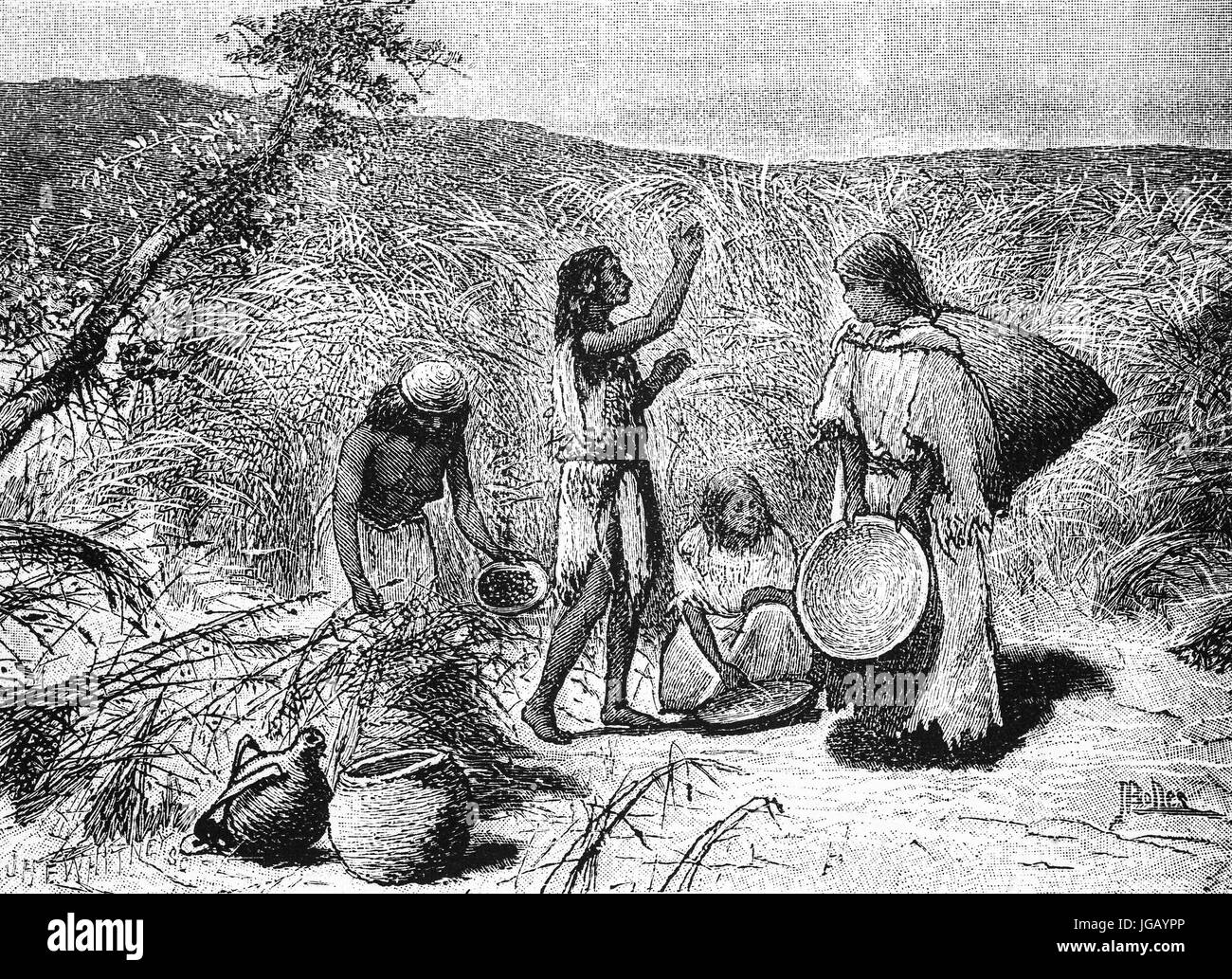
In the Great Lakes region, wild rice (Manoomin to the Anishinaabe) was and remains a sacred staple. Harvested from canoes in the shallow waters, often by gently bending the stalks over the boat and knocking the grains loose with a stick, this practice is not just about food. It is a spiritual act, a connection to ancestors, and a deeply embedded cultural tradition that continues today. The careful harvesting ensures that enough seed falls back into the water for future growth, a perfect example of sustainable management.
The Science of Survival: Ecological Knowledge and Stewardship
What truly set Native American gathering practices apart was the profound depth of ecological knowledge that underpinned them. This was not random foraging; it was a sophisticated science passed down through generations via oral traditions, apprenticeship, and direct observation. Indigenous peoples possessed an intimate understanding of plant life cycles, soil health, animal behaviors, weather patterns, and the interconnectedness of all living things.
They practiced sophisticated land management techniques, including controlled burns, which were used to clear underbrush, promote the growth of desired food plants, enhance habitat for game, and reduce the risk of catastrophic wildfires. For example, in California, Indigenous groups actively managed oak woodlands through burning, which increased acorn production and made harvesting easier. This foresight and active stewardship shaped landscapes for thousands of years, creating biodiverse ecosystems that were both productive and resilient.
Tools were simple yet effective: digging sticks crafted from hardwood, intricately woven baskets for carrying and processing, grinding stones for milling seeds, and nets for small game and fish. The artistry of these tools often reflected their functionality, demonstrating a deep respect for both the craft and the resource. Baskets, in particular, were marvels of engineering, designed for specific purposes—from watertight cooking vessels to breathable storage for dried foods.
More Than Sustenance: Social, Spiritual, and Cultural Threads
Gathering was never solely about physical nourishment; it was a communal activity that reinforced social structures, transmitted cultural values, and deepened spiritual connections. The act of going out together, sharing knowledge, and distributing the harvest fostered community bonds and ensured collective well-being. Elders, as keepers of vast ethnobotanical knowledge, played crucial roles, guiding younger generations and imparting the wisdom of their ancestors.

Spiritually, the land and its bounty were viewed as gifts from the Creator, to be treated with respect and gratitude. Ceremonies often accompanied planting, harvesting, and feasting, acknowledging the sacrifices of the plants and animals and reaffirming the reciprocal relationship between humans and the natural world. The concept of "All My Relations," prevalent in many Plains cultures, encapsulated this worldview: a recognition of kinship with all living beings and the understanding that human well-being is inextricably linked to the health of the entire ecosystem.
"Our ancestors didn’t just take from the land; they nurtured it," explains Sarah Eagle Heart (Oglala Lakota), a contemporary Indigenous leader. "They understood that if you treat the earth well, it will provide for you. Gathering was a prayer, a conversation with the land, a way of showing gratitude." This philosophy of reciprocity stood in stark contrast to the extractive mindset introduced by European colonization.
The Shadow of Colonization: Disruption and Resilience
The arrival of European settlers brought catastrophic disruption to these ancient practices. The forced removal of Native American peoples from their ancestral lands, the destruction of ecosystems through logging and agriculture, and the imposition of foreign economic systems severed the deep connection between Indigenous communities and their traditional food sources. Laws prohibiting traditional land management practices, such as controlled burning, further degraded ecosystems and undermined Indigenous stewardship.
The boarding school era, which aimed to assimilate Native children, actively suppressed traditional knowledge, including language, ceremonies, and gathering practices. Children were punished for speaking their native tongues or engaging in cultural activities, creating a devastating gap in intergenerational knowledge transmission.
Yet, despite centuries of systemic oppression, the spirit of the original harvesters endured. Many communities, often in secret, continued to practice their traditions, preserving vital knowledge against overwhelming odds.
Revitalization and the Path Forward
Today, there is a powerful and growing movement among Native American communities to revitalize traditional gathering practices. This resurgence is not merely about food security, though that is a crucial component. It is about food sovereignty—the right of peoples to healthy and culturally appropriate food produced through ecologically sound and sustainable methods, and their right to define their own food and agriculture systems.
Tribal nations are reclaiming ancestral lands, reintroducing traditional land management, and establishing seed banks to preserve heirloom varieties. Youth programs are connecting younger generations with elders, ensuring that the ethnobotanical knowledge of their ancestors is passed down. Projects focused on restoring wild rice beds, cultivating traditional gardens, and teaching foraging skills are empowering communities and strengthening cultural identity.
For example, the Wampanoag Tribe of Gay Head (Aquinnah) on Martha’s Vineyard is revitalizing traditional foodways, teaching members how to gather shellfish, wild berries, and medicinal plants, reconnecting them to their ancestral diet and the land. In California, several tribes are working with land managers to reintroduce cultural burning practices, not only for ecological restoration but also for cultural renewal.
The legacy of Native American gathering practices offers invaluable lessons for the modern world grappling with climate change, food insecurity, and environmental degradation. It reminds us that sustainable living is not a new concept but an ancient wisdom, rooted in reciprocity, deep ecological understanding, and a profound respect for the Earth. By honoring the original harvesters, we not only celebrate a rich history but also glean essential insights for building a more sustainable and equitable future for all. The quiet strength of a digging stick, the patient wisdom of a basket weaver, and the enduring spirit of a community connected to its land—these are the timeless truths that continue to nourish and inspire.


