

The Seneca-Cayuga Nation, a federally recognized tribe with a vibrant history, maintains a reservation in Oklahoma. This article provides an in-depth look into the Seneca-Cayuga Nation Reservation, exploring its history, governance, culture, and contemporary significance. Understanding the unique aspects of this tribal nation offers valuable insights into the diverse tapestry of Native American communities in the United States.
A Brief History of the Seneca-Cayuga Nation
The Seneca and Cayuga peoples originally resided in the Finger Lakes region of present-day New York. They were members of the Iroquois Confederacy, also known as the Haudenosaunee. European colonization and subsequent conflicts significantly impacted their traditional way of life, leading to displacement and dispersal.
In the 19th century, many Seneca and Cayuga people were removed from their ancestral lands and relocated to Indian Territory, which is now Oklahoma. This forced migration, part of the larger policy of Indian Removal, resulted in the formation of the Seneca-Cayuga Tribe of Oklahoma. The history of the Seneca-Cayuga Nation is one of resilience, adaptation, and a commitment to preserving their cultural heritage despite facing immense challenges.
Location and Geography of the Reservation
The Seneca-Cayuga Nation Reservation is located in northeastern Oklahoma. It encompasses parts of several counties, including Ottawa and Delaware counties. The landscape is characterized by rolling hills, woodlands, and waterways, providing a diverse environment that supports various forms of life.
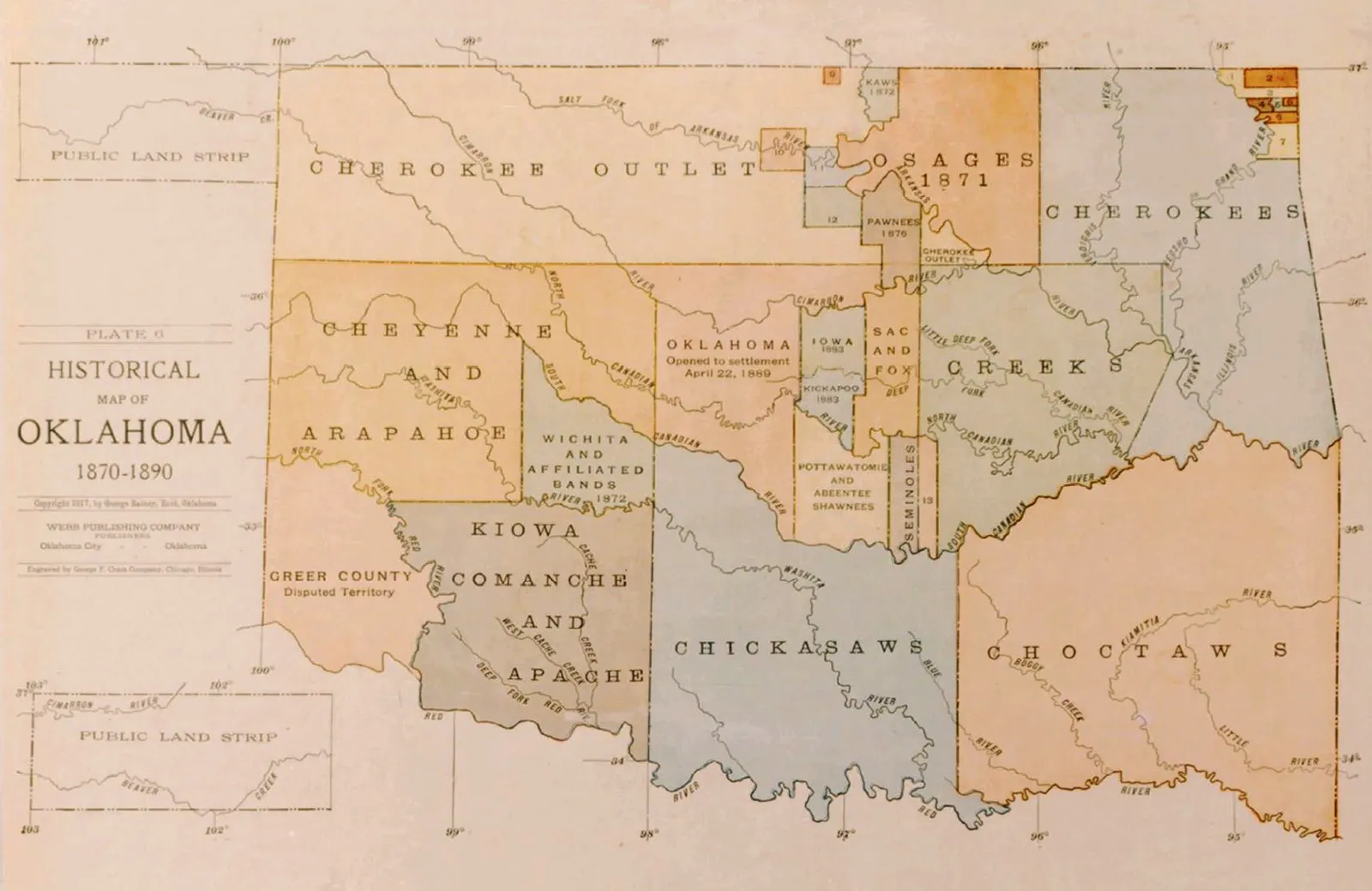

The reservation’s location in northeastern Oklahoma places it within a region rich in Native American history and culture. Neighboring tribes include the Quapaw Nation, the Eastern Shawnee Tribe of Oklahoma, and the Cherokee Nation, fostering a network of intertribal relationships and collaborations.
Government and Administration
The Seneca-Cayuga Nation operates under a constitution that outlines its governmental structure. The tribal government consists of an elected Chief, Second Chief, and Tribal Council. These leaders are responsible for overseeing the affairs of the nation, enacting laws, and representing the Seneca-Cayuga people in interactions with federal, state, and local governments.
The Tribal Council plays a crucial role in managing tribal resources, developing economic opportunities, and providing essential services to tribal members. These services include healthcare, education, housing, and social programs. The government actively works to promote the well-being and self-sufficiency of its citizens.
Culture and Traditions
The Seneca-Cayuga Nation is deeply committed to preserving and promoting its cultural heritage. Traditional ceremonies, dances, and social gatherings are integral to tribal life, serving as a means of passing down knowledge, values, and beliefs from one generation to the next.
Language preservation is a key priority for the Seneca-Cayuga Nation. Efforts are underway to revitalize the Seneca and Cayuga languages, which are endangered. Language programs, cultural workshops, and educational initiatives are designed to encourage the use of these languages and ensure their survival.
The Seneca-Cayuga Nation also maintains strong connections to its artistic traditions. Traditional arts and crafts, such as beadwork, pottery, and basketry, are practiced and passed down through families. These art forms reflect the unique cultural identity and artistic expression of the Seneca-Cayuga people.
Economic Development and Opportunities


The Seneca-Cayuga Nation actively pursues economic development opportunities to support its citizens and strengthen its financial base. Tribal enterprises, such as gaming facilities, contribute significantly to the tribal economy, providing employment and revenue for essential services.
In addition to gaming, the Seneca-Cayuga Nation is involved in other economic ventures, including agriculture, tourism, and natural resource management. These diverse activities help to create a sustainable economy that benefits the entire community.
The tribal government also supports entrepreneurship and small business development among its members. Programs and resources are available to assist aspiring business owners in starting and growing their own enterprises, fostering economic self-determination.
Community and Social Programs
The Seneca-Cayuga Nation provides a range of community and social programs to support the well-being of its citizens. These programs address various needs, including healthcare, education, housing, and family services.
Healthcare services are a top priority, with tribal health clinics providing medical, dental, and behavioral health care to tribal members. These clinics offer comprehensive care that is culturally sensitive and responsive to the unique needs of the community.
Education is also highly valued, with the Seneca-Cayuga Nation supporting educational programs and scholarships for students of all ages. These programs aim to promote academic achievement and prepare students for success in higher education and beyond.
Housing assistance is another important service, with programs designed to provide safe and affordable housing options for tribal members. These programs help to address housing shortages and improve the living conditions of families on the reservation.
Key Landmarks and Attractions
While the Seneca-Cayuga Nation Reservation is not primarily known for tourism, it does offer opportunities to learn about the tribe’s history and culture. The Seneca-Cayuga Nation Tribal Office serves as a central point of contact for information and resources.
Cultural events and powwows are held throughout the year, providing visitors with a chance to experience Seneca-Cayuga traditions firsthand. These events showcase traditional dances, music, food, and crafts, offering a glimpse into the vibrant culture of the tribe.
Nearby attractions in northeastern Oklahoma include natural areas, historical sites, and other Native American cultural centers. Exploring these attractions can provide a broader understanding of the region’s rich history and cultural diversity.
Challenges and Opportunities
Like many Native American tribes, the Seneca-Cayuga Nation faces ongoing challenges, including poverty, unemployment, and healthcare disparities. Addressing these challenges requires a multifaceted approach that involves government support, community engagement, and economic development initiatives.
Despite these challenges, the Seneca-Cayuga Nation is committed to creating a brighter future for its citizens. The tribe is actively working to improve education, healthcare, and economic opportunities, while also preserving its cultural heritage.
Opportunities for collaboration and partnerships with other tribes, government agencies, and private organizations can help to address these challenges and create positive change. By working together, the Seneca-Cayuga Nation can build a stronger, more resilient community.
Contemporary Issues and Future Directions
The Seneca-Cayuga Nation is actively engaged in addressing contemporary issues that affect its citizens and the broader community. These issues include environmental protection, natural resource management, and social justice.
The tribe is committed to protecting its natural resources and ensuring a sustainable environment for future generations. Efforts are underway to promote responsible land use, protect water quality, and conserve biodiversity.
The Seneca-Cayuga Nation also advocates for social justice and equality, working to address systemic inequities and promote the rights of Native Americans. This includes advocating for policies that support tribal sovereignty, cultural preservation, and economic self-determination.
Looking ahead, the Seneca-Cayuga Nation is focused on building a strong and prosperous future for its citizens. This includes investing in education, healthcare, and economic development, while also preserving its cultural heritage and traditions.
Conclusion
The Seneca-Cayuga Nation Reservation in Oklahoma is a testament to the resilience and cultural richness of the Seneca-Cayuga people. Despite facing historical challenges, the nation has persevered, maintaining its unique identity and working towards a brighter future. From its government and economic activities to its cultural traditions and community programs, the Seneca-Cayuga Nation stands as a vibrant example of Native American self-determination and cultural preservation in the 21st century. Understanding their story provides valuable insights into the broader narrative of Native American history and contemporary life.
By learning about the Seneca-Cayuga Nation, we can gain a deeper appreciation for the diversity and complexity of Native American cultures and the ongoing efforts to preserve and promote these cultures for future generations. The Seneca-Cayuga Nation’s story is one of strength, resilience, and a commitment to building a better world for all.


