

Echoes of the Earth: The Enduring Wisdom of Native American Land Stewardship
In an era increasingly defined by ecological crisis, resource depletion, and the urgent imperative of climate action, a profound and ancient wisdom offers not just solace, but a vital roadmap: the traditional land stewardship practices of Native American peoples. For millennia before European contact, indigenous communities across North America cultivated a relationship with the land that transcended mere resource extraction, embedding itself deep within their spiritual, social, and economic fabrics. This was not ownership in the Western sense, but a sacred trust, a reciprocal dance of caretaking that sustained thriving ecosystems and vibrant cultures for countless generations.
To understand Native American land stewardship is to shift one’s paradigm from a human-centric view of nature as a commodity to an integrated understanding of humanity as one thread in the intricate web of life. It is a philosophy rooted in reciprocity – the belief that if you care for the land, the land will care for you. This fundamental principle shaped every interaction, from hunting and gathering to sophisticated agricultural techniques and complex forest management.
A Philosophy of Kinship and Reciprocity
At the heart of indigenous land stewardship lies the concept of kinship. The land, water, animals, and plants are not inanimate objects or resources; they are relatives, imbued with spirit and deserving of respect. This worldview eschews the idea of human dominion over nature, replacing it with a sense of partnership and shared existence. As a Lakota proverb profoundly states, "We do not inherit the earth from our ancestors; we borrow it from our children." While the exact origin of this widely cited phrase is debated, its sentiment perfectly encapsulates the intergenerational responsibility inherent in Native American worldviews. Decisions were often made with the "Seventh Generation" in mind, considering the long-term impacts on descendants seven generations into the future.
This deep respect manifested in practices designed not just to extract, but to enhance and regenerate. Unlike the European concept of "terra nullius" (empty land), which justified colonial expansion, indigenous lands were meticulously managed landscapes, shaped by human hands working in harmony with natural processes.
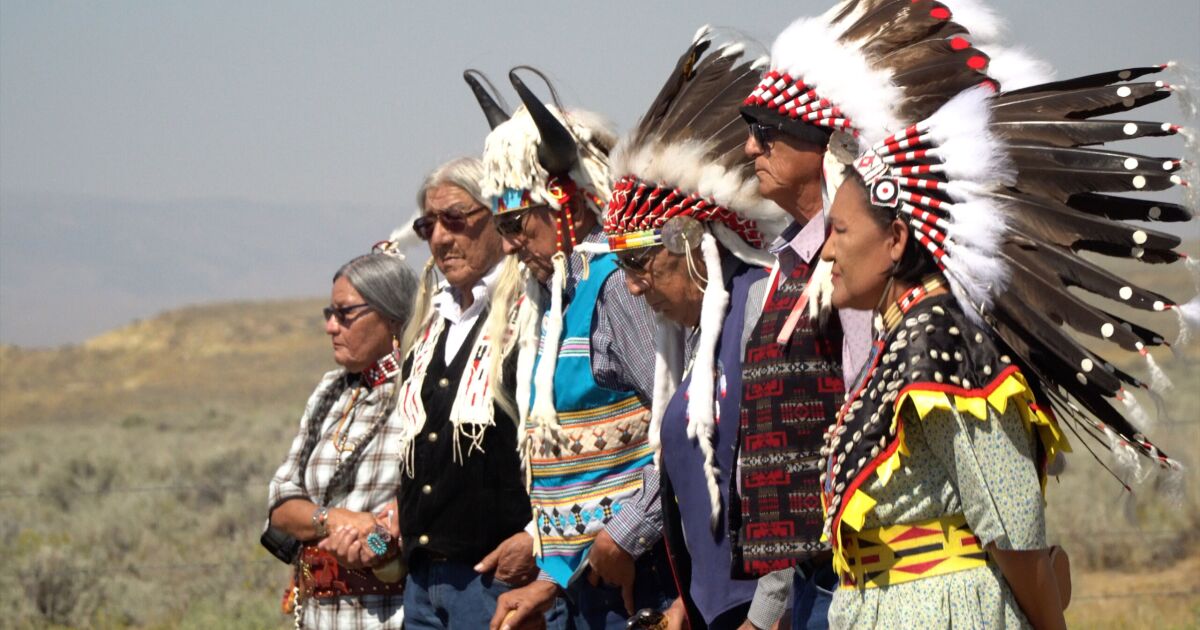

Sophisticated Ecological Management: Fire, Water, and Fields
One of the most powerful and often misunderstood tools in the Native American land manager’s arsenal was fire. Controlled burning, often referred to as "cultural burning," was a widespread practice across diverse ecosystems, from the vast prairies to dense forests. Tribes like the Karuk and Yurok in California regularly used low-intensity fires to manage oak woodlands and other ecosystems. These burns served multiple purposes:
- Preventing Catastrophic Wildfires: By clearing underbrush and ladder fuels, they reduced the risk of high-intensity fires that destroy mature trees and topsoil.
- Enhancing Biodiversity: Fire promotes the growth of specific plants, clears space for new seedlings, and creates diverse habitats.
- Improving Forage: It stimulated the growth of palatable grasses and berries for both humans and game animals.
- Facilitating Travel: Clearing dense undergrowth made movement easier and safer.
- Pest Control: Fire helped manage insect populations and disease in forests.
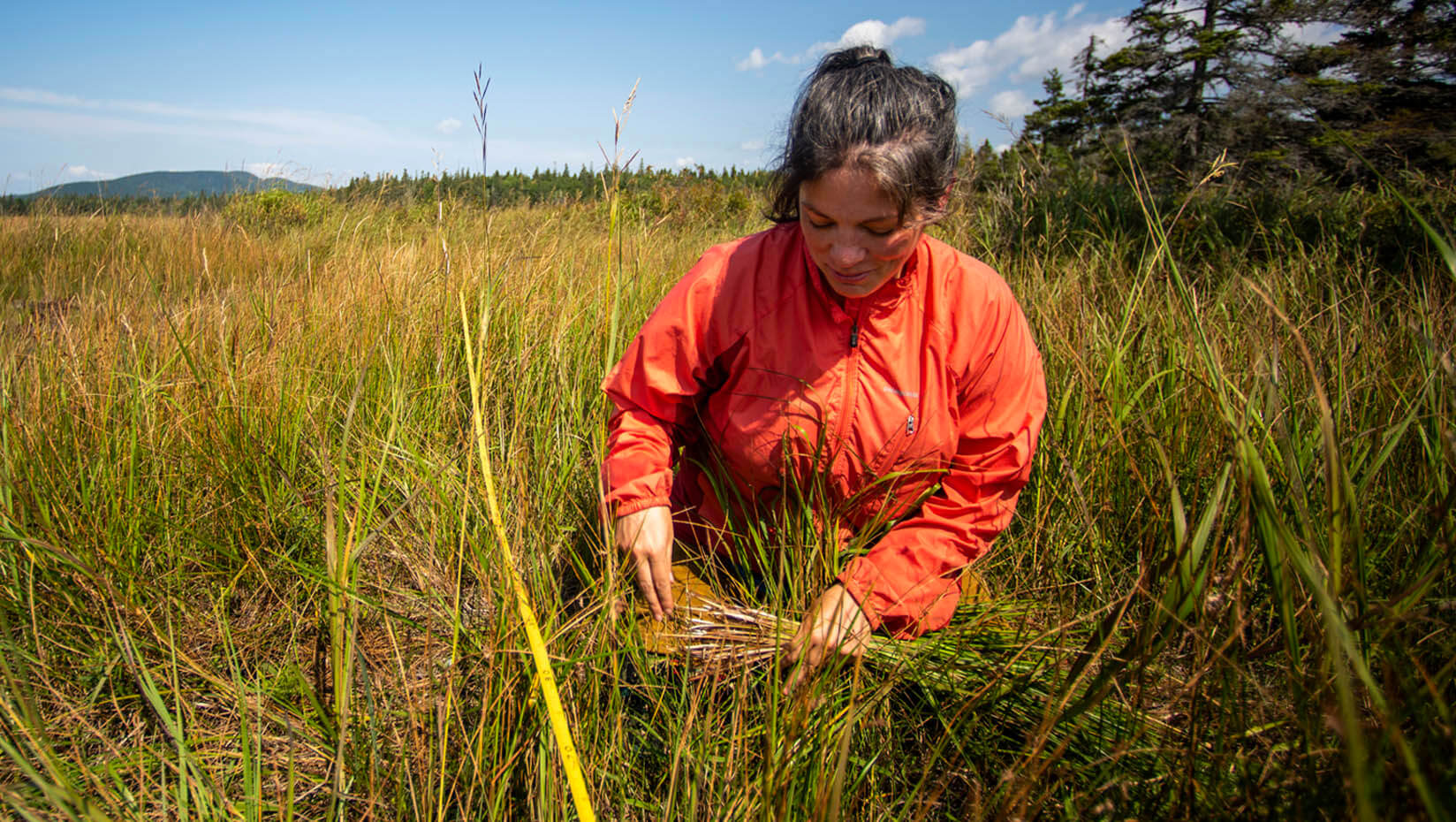

As Margo Robbins, a Yurok cultural burning practitioner, explains, "Fire is medicine. It’s a tool that our ancestors used to manage the landscape for millennia. We are just bringing it back." Modern science is increasingly validating these ancient practices, with land management agencies now collaborating with indigenous communities to reintroduce cultural burning.
Beyond fire, water management was equally sophisticated. From the intricate irrigation systems of the Ancestral Puebloans in the arid Southwest to the careful management of beaver populations by Eastern Woodland tribes to maintain wetlands, indigenous peoples understood the vital role of water and its delicate balance. They often had specific spiritual protocols and ceremonies associated with water sources, reinforcing its sacredness and the need for its careful use.
Agriculture, too, was a testament to ecological wisdom. The "Three Sisters" planting method – corn, beans, and squash grown together – is a prime example of companion planting and nutrient cycling. Corn provides a stalk for beans to climb, beans fix nitrogen in the soil, and squash leaves provide ground cover, suppressing weeds and retaining moisture. This polyculture system was far more resilient and sustainable than monoculture farming, providing a balanced diet and regenerating soil fertility without synthetic inputs.
Hunting, Gathering, and Respect for All Beings
Sustainable harvesting was another cornerstone. Hunters were taught to take only what was needed, to use every part of the animal, and to offer gratitude and respect for the life taken. This was not merely pragmatism; it was an ethical imperative. Many tribes had ceremonies to honor the spirit of the hunted animal, acknowledging its sacrifice. Similarly, gatherers knew the cycles of plants, harvesting in ways that promoted future growth rather than depleting resources. They understood the importance of leaving enough for other species and for future generations.
This intimate knowledge of local ecosystems, often referred to as Traditional Ecological Knowledge (TEK), encompassed not just what to harvest, but when, how, and in what quantities, all guided by generations of observation and a deep understanding of ecological relationships. TEK includes detailed understanding of plant and animal behavior, soil types, weather patterns, and the interconnectedness of all elements within a specific bioregion.
The Impact of Colonization and the Resurgence of Wisdom
The arrival of European colonists brought a drastically different worldview – one centered on private land ownership, resource extraction for profit, and the subjugation of nature. This clash of paradigms led to devastating consequences: the forced removal of Native peoples from their ancestral lands, the suppression of traditional practices, and the introduction of unsustainable agricultural and industrial methods that severely degraded ecosystems. Bison herds, central to Plains tribes’ survival, were slaughtered to near extinction, and vast forests were clear-cut.
Despite centuries of cultural genocide and displacement, the wisdom of Native American land stewardship endured, often preserved in oral traditions, ceremonies, and the resilience of communities fighting to maintain their connection to the land.
Today, there is a powerful resurgence of interest in and application of these traditional practices. As the world grapples with climate change, biodiversity loss, and diminishing natural resources, the scientific community, governments, and environmental organizations are increasingly recognizing the invaluable insights offered by TEK.
Indigenous communities are leading the way in conservation efforts, often fighting to reclaim or co-manage their ancestral territories. Examples abound:
- Co-management of National Parks and Forests: In places like Yosemite and Redwood National Park, tribes are working alongside federal agencies to reintroduce cultural burning and traditional forest management.
- Restoration of Native Species: Efforts to reintroduce salmon populations, bison, and other keystone species are often led by tribal conservation programs.
- Climate Resilience: Indigenous communities are applying TEK to develop strategies for adapting to climate change, drawing on centuries of observing environmental shifts.
- Sustainable Agriculture: A renewed focus on traditional crops and farming methods is strengthening food sovereignty and ecological health.
The Yurok Tribe’s efforts to restore the health of the Klamath River basin in California, for example, involve not only complex litigation and political advocacy but also the active application of traditional ecological knowledge to restore salmon habitat and water quality. Similarly, the Haudenosaunee (Iroquois) Confederacy continues to practice the Great Law of Peace, which mandates leaders to think seven generations into the future, a principle now gaining traction in mainstream environmental policy discussions.
A Path Forward
The lessons embedded in Native American land stewardship are not merely historical curiosities; they are living, breathing solutions to contemporary challenges. They offer a powerful alternative to the extractive, consumerist model that has brought our planet to the brink. They remind us that true sustainability is not about technological fixes alone, but about a fundamental shift in our relationship with the natural world – from one of dominance to one of humility, respect, and deep reciprocity.
As we look to the future, embracing the wisdom of those who have sustained the land for millennia is not just an act of cultural acknowledgment, but an essential step towards healing our planet and securing a viable future for all generations to come. It calls for listening, learning, and collaborating with indigenous communities, allowing their deep connection to the Earth to guide us towards a more balanced and harmonious existence. The echoes of their stewardship, once suppressed, now resonate as a beacon of hope, urging us to remember our place as caretakers, not owners, of this sacred Earth.


