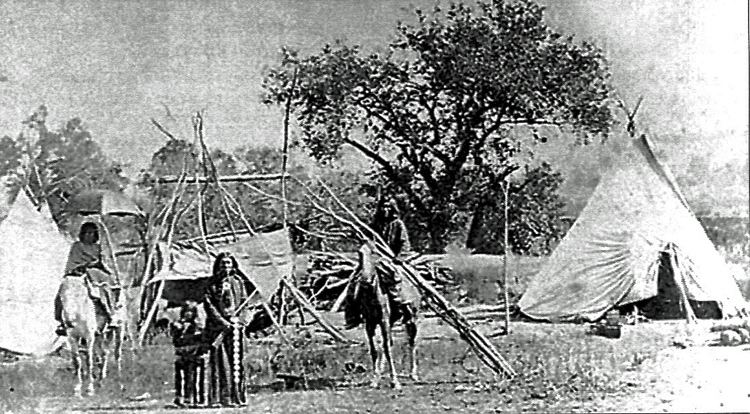

The Tonkawa Tribe of Oklahoma holds a unique place in the history of the Southern Plains. While their origins are shrouded in some mystery, their resilience and cultural preservation efforts are well-documented. This article delves into the fascinating story of the Tonkawa people, from their ancestral lands to their current presence in Oklahoma.
Origins and Early History
The Tonkawa’s early history is complex and pieced together from archaeological evidence, linguistic analysis, and early European accounts. They are believed to have originated in Central Texas, with their territory spanning a large area. The name ‘Tonkawa’ is thought to be derived from a Waco word meaning ‘they all stay together’.
Early European contact significantly impacted the Tonkawa. They were often caught between warring tribes, including the Apache and Comanche, and faced pressure from European settlers encroaching on their lands. Alliances shifted as they sought to survive in a rapidly changing world.
Culture and Traditions
The Tonkawa culture was deeply intertwined with the land. They were skilled hunters and gatherers, relying on the buffalo for sustenance and materials. Their traditional dwellings were tipis, reflecting their nomadic lifestyle. They were also known for their horsemanship, a skill acquired after the introduction of horses by the Spanish.


Social Structure
Tonkawa society was organized around kinship, with extended families playing a central role. Leadership was often based on merit and skill, with respected warriors and hunters holding positions of authority. They had various societies and ceremonies that marked important life events and seasonal changes.
Spiritual Beliefs
The Tonkawa held a deep respect for the natural world and believed in a supreme being. Their spiritual practices involved ceremonies, dances, and storytelling. Shamans played an important role in healing and connecting with the spiritual realm. While influenced by other tribes and Christianity over time, they maintained core beliefs.
Language
The Tonkawa language is a linguistic isolate, meaning it is not demonstrably related to any other known language family. This has made understanding their origins and connections to other tribes particularly challenging. Efforts are underway to preserve and revitalize the Tonkawa language, ensuring its survival for future generations.
The Tonkawa in Oklahoma
The Tonkawa’s relocation to Oklahoma was a consequence of U.S. government policies aimed at removing Native American tribes from their ancestral lands. In 1862, after suffering devastating losses in Texas, they were moved to Indian Territory, which is now Oklahoma.
The Tonkawa Massacre
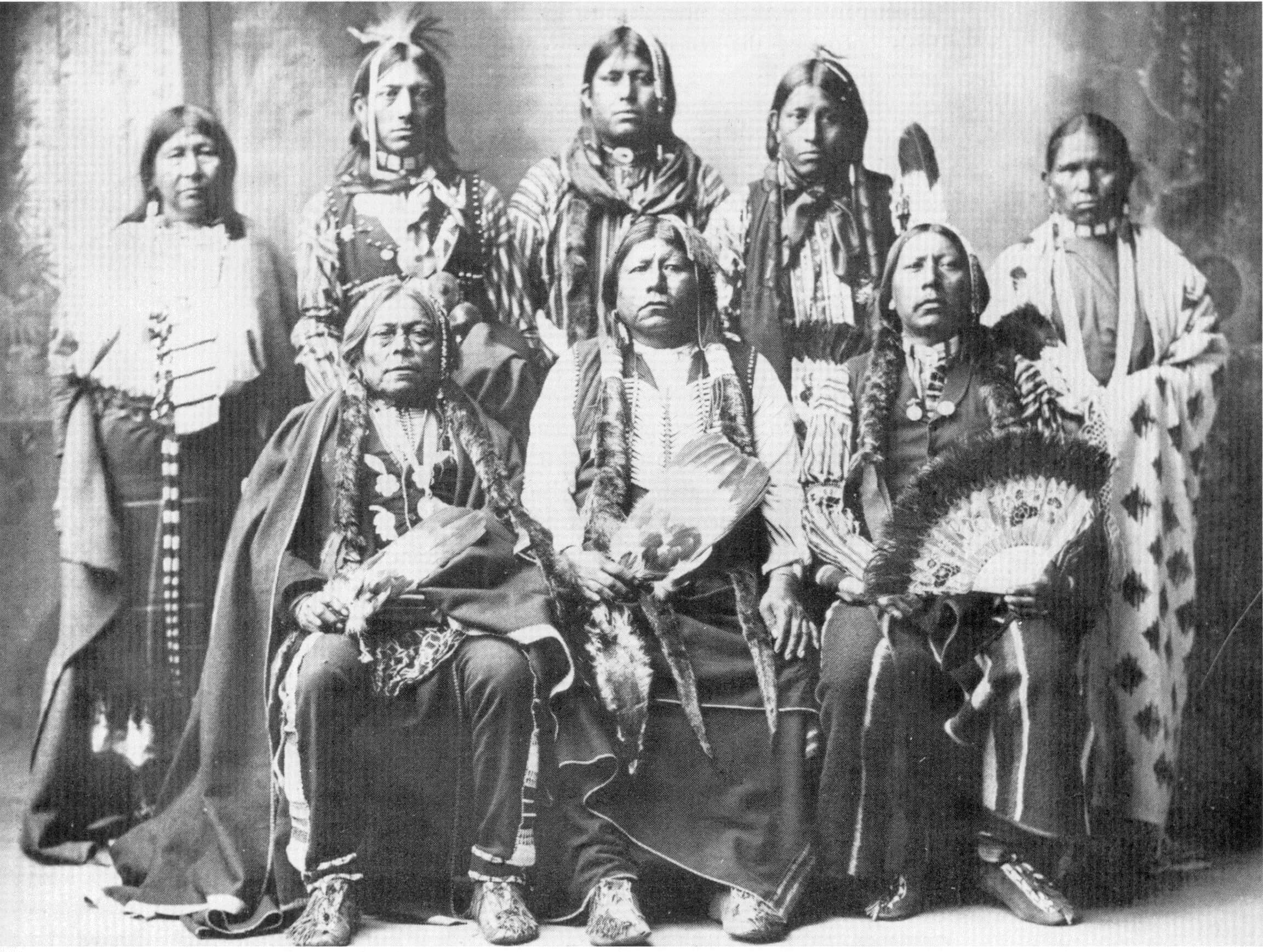

One of the most tragic events in Tonkawa history is the Tonkawa Massacre of 1862. During the Civil War, the Tonkawa, who were allied with the Confederacy, were attacked by Union-allied tribes, including the Delaware, Shawnee, and Kickapoo. The massacre resulted in the deaths of a significant portion of the Tonkawa population and had a profound impact on the tribe.
Life on the Reservation
After the Civil War, the Tonkawa were officially assigned a reservation in present-day Kay County, Oklahoma. Life on the reservation was challenging, with limited resources and continued pressure from the U.S. government to assimilate. However, the Tonkawa persevered, maintaining their cultural identity and working to build a sustainable community.
Government and Politics
The Tonkawa Tribe of Oklahoma is a federally recognized tribe with its own government. The tribal government is responsible for managing tribal affairs, providing services to tribal members, and protecting tribal sovereignty. The tribe has a constitution and elects its leaders through a democratic process.
Economic Development
The Tonkawa Tribe of Oklahoma has made significant strides in economic development. The tribe owns and operates various businesses, including casinos, convenience stores, and other enterprises. These businesses provide employment opportunities for tribal members and generate revenue that supports tribal programs and services.
Culture Preservation Efforts
The Tonkawa Tribe is actively involved in preserving its culture and language. They offer language classes, cultural workshops, and other programs to promote Tonkawa traditions and values. They also work to document and preserve their history through oral histories, archival research, and museum exhibits.
Contemporary Tonkawa Life
Today, the Tonkawa Tribe of Oklahoma is a vibrant and resilient community. Tribal members are active in all aspects of Oklahoma life, from business and education to politics and the arts. The tribe is committed to providing opportunities for its members to succeed while preserving its unique cultural heritage.
Language Revitalization Programs
Recognizing the importance of language to cultural identity, the Tonkawa Tribe has implemented various language revitalization programs. These programs include language classes for children and adults, immersion camps, and the development of language resources. The tribe is working to ensure that the Tonkawa language continues to be spoken for generations to come.
Community Events and Gatherings
The Tonkawa Tribe hosts various community events and gatherings throughout the year. These events provide opportunities for tribal members to come together, celebrate their culture, and strengthen their bonds. Powwows, dances, and other cultural celebrations are important parts of Tonkawa community life.
Tonkawa Contributions to Oklahoma
The Tonkawa Tribe has made significant contributions to the state of Oklahoma. They are active in economic development, education, and community service. The tribe also works to promote understanding and appreciation of Native American culture throughout Oklahoma.
Frequently Asked Questions About the Tonkawa Tribe
What is the origin of the name ‘Tonkawa’?
The name ‘Tonkawa’ is believed to be derived from a Waco word meaning ‘they all stay together’.
The Tonkawa Tribe of Oklahoma is located in Kay County, Oklahoma.
What is the Tonkawa language?
The Tonkawa language is a linguistic isolate, meaning it is not demonstrably related to any other known language family.
What are some of the Tonkawa Tribe’s cultural traditions?
Some of the Tonkawa Tribe’s cultural traditions include hunting, gathering, horsemanship, and storytelling. They also have various ceremonies and dances that mark important life events and seasonal changes.
How is the Tonkawa Tribe governed?
The Tonkawa Tribe of Oklahoma is a federally recognized tribe with its own government. The tribal government is responsible for managing tribal affairs, providing services to tribal members, and protecting tribal sovereignty.
What are the Tonkawa Tribe’s economic activities?
The Tonkawa Tribe of Oklahoma owns and operates various businesses, including casinos, convenience stores, and other enterprises.
How is the Tonkawa Tribe preserving its culture?
The Tonkawa Tribe is actively involved in preserving its culture and language. They offer language classes, cultural workshops, and other programs to promote Tonkawa traditions and values.
Conclusion
The Tonkawa Tribe of Oklahoma has a rich and complex history. Despite facing numerous challenges, they have persevered and maintained their cultural identity. Today, the Tonkawa Tribe is a vibrant and resilient community that is making significant contributions to Oklahoma. Their story is a testament to the strength and resilience of Native American people.
The Tonkawa people’s journey reflects both the hardships and the enduring spirit of Native American tribes. Their history, culture, and ongoing efforts to preserve their heritage offer valuable lessons and insights for all. By learning about the Tonkawa, we gain a deeper understanding of Oklahoma’s diverse cultural landscape.


