
Guardians of the Earth: The Enduring Wisdom of Indigenous Farming Practices
In an era grappling with climate change, biodiversity loss, and food insecurity, the agricultural practices that feed the world are under intense scrutiny. Industrial farming, with its monocultures, heavy chemical reliance, and fossil fuel consumption, often appears to be a major contributor to these crises. Yet, across continents and millennia, another story of agriculture has unfolded – one rooted in profound ecological understanding, sustainability, and a reciprocal relationship with the land. This is the history of indigenous farming practices, a tapestry of ingenuity woven by communities who understood, perhaps better than anyone, how to live harmoniously with the Earth while coaxing sustenance from its embrace.
For too long, the agricultural achievements of indigenous peoples were dismissed or overlooked by Western scholarship, often branded as primitive or inefficient. The reality, however, is a legacy of sophisticated systems that not only fed vast populations but also enhanced biodiversity, built soil fertility, and adapted to diverse and often challenging environments. These practices were not merely about growing food; they were expressions of a worldview that saw humans as part of an interconnected web of life, not its master.
The Global Tapestry of Ingenuity
From the high Andes to the dense Amazon, the arid plains of Australia to the fertile crescent of Mesoamerica, indigenous farmers developed a staggering array of techniques. What united them was a deep observational knowledge of local ecosystems, passed down through generations. This empirical wisdom, honed over thousands of years, allowed them to cultivate crops, manage forests, and conserve water in ways that modern science is only now beginning to fully appreciate and, in many cases, rediscover.
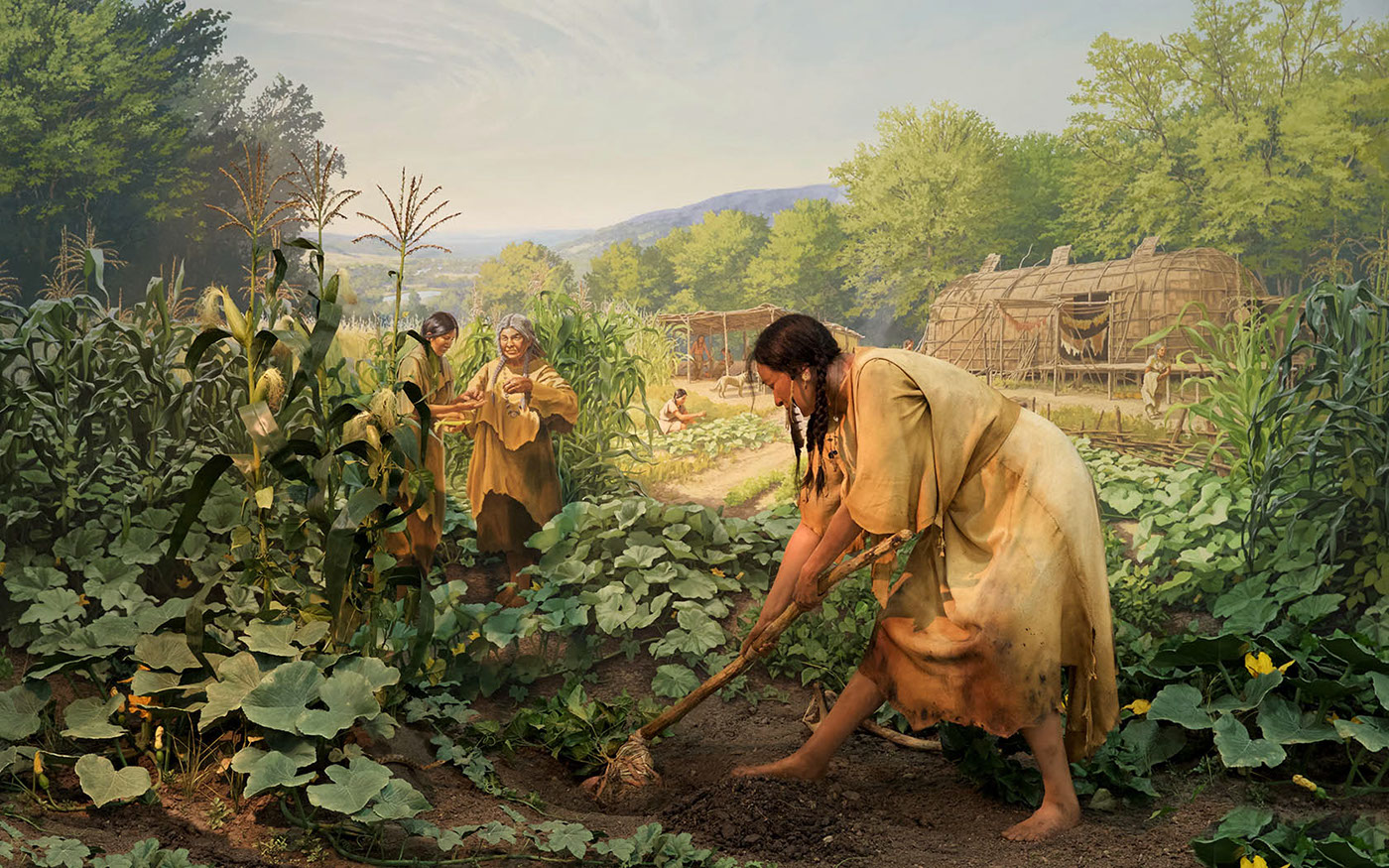
One of the most iconic examples comes from Mesoamerica, where the Maya, Aztec, and countless other cultures engineered highly productive and sustainable food systems. The "Three Sisters" planting method – corn, beans, and squash grown together – is a testament to this understanding. Corn provides a stalk for beans to climb, beans fix nitrogen in the soil, enriching it for the hungry corn, and squash vines spread along the ground, shading out weeds and conserving soil moisture. This polyculture approach not only maximized yield in a small space but also created a more resilient and nutritionally diverse harvest. As Robin Wall Kimmerer, a botanist and member of the Citizen Potawatomi Nation, often emphasizes, "When we are taught that corn, beans, and squash are good companions, we are learning more than botany. We are learning about reciprocity and respect, and that these are not just human virtues, but principles that also operate in the natural world."


Beyond simple companion planting, Mesoamerican peoples also developed complex hydrological engineering. The chinampas of the Aztec Empire, often referred to as "floating gardens" on Lake Texcoco, were remarkably productive artificial islands built by layering mud and decaying vegetation. These systems allowed for continuous cropping, high yields, and efficient nutrient cycling, supporting a vast urban population without depleting the surrounding environment.
Mastering Mountains and Deserts: The Andes and Beyond
In the rugged terrain of the Andean highlands, indigenous communities faced the challenge of steep slopes, variable climates, and limited arable land. Their response was the creation of breathtaking terraced fields that transformed mountainsides into productive agricultural zones. These terraces, like the famous ones at Pisac or Moray in Peru, not only prevented soil erosion but also created microclimates, allowing for the cultivation of a wide range of crops at different altitudes. The Inca, for example, cultivated over 3,000 varieties of potatoes, each adapted to specific conditions and resistant to various pests and diseases – a stark contrast to the genetic monocultures of modern agriculture.
Another ingenious Andean innovation was the waru waru system, or raised-bed agriculture, practiced by the Aymara people around Lake Titicaca. Farmers built elevated planting beds surrounded by canals filled with water. The water absorbed solar radiation during the day and radiated heat at night, protecting crops from frost, a common threat at high altitudes. The canals also provided irrigation and supported aquaculture, creating an integrated food system.
Across the globe, similar adaptations can be found. In the arid American Southwest, the Hopi and Zuni peoples developed dryland farming techniques that allowed them to grow corn, beans, and squash in deserts with minimal rainfall. They used check dams to slow runoff, planted in depressions to collect water, and selected drought-resistant crop varieties over millennia. Their understanding of local hydrology and soil dynamics was paramount to their survival.
Forest Gardens and Fire Stick Farming: Managing the Wild
Indigenous farming was not confined to open fields. Many cultures practiced sophisticated forms of agroforestry and forest management, blurring the lines between "wild" and "cultivated." In the Amazon, groups like the Kayapo transformed vast tracts of forest into "forest gardens" or apêtê, deliberately planting and managing diverse species of fruit trees, medicinal plants, and staple crops within the forest canopy. These systems mimic the natural structure of the rainforest, enhancing biodiversity, providing a continuous supply of food, and maintaining ecological balance. They are, in essence, highly productive, human-designed ecosystems.
In Australia, Aboriginal peoples utilized "fire stick farming" for tens of thousands of years. Far from indiscriminate burning, this was a highly controlled and strategic practice. They used cool, slow-moving fires to manage vegetation, promote the growth of edible plants, create habitat for game animals, and prevent larger, more destructive wildfires. This practice reshaped the Australian landscape, creating a mosaic of different habitats and increasing overall biodiversity – a testament to a deep, active stewardship rather than passive collection. As Bill Gammage, author of "The Biggest Estate on Earth," argues, the Australian continent was a vast, cultivated garden, not an untamed wilderness.
The Philosophy of Reciprocity and Stewardship
Beyond the specific techniques, the most profound aspect of indigenous farming lies in its underlying philosophy. Many indigenous cultures view the Earth not as a resource to be exploited, but as a living entity, a sacred provider, and a relative. This worldview fosters a sense of responsibility and reciprocity. Farmers would give back to the land, through rituals, respectful harvesting, and practices that ensured the health of the soil and ecosystems for future generations.
The concept of "seven generations" common among many North American Indigenous peoples, encapsulates this long-term vision: decisions made today should consider their impact on the next seven generations. This contrasts sharply with the short-term profit motives that often drive modern industrial agriculture. Seed saving, a practice central to indigenous farming globally, is another manifestation of this intergenerational responsibility. Seeds are not commodities but sacred gifts, living libraries of genetic diversity carefully selected and nurtured over millennia.
The Impact of Colonialism and the Path Forward
The arrival of European colonizers brought devastating changes to indigenous farming practices. Land dispossession, forced relocation, the introduction of monocultures, and the suppression of traditional knowledge systems led to the decline or outright destruction of many sustainable agricultural traditions. Indigenous farmers were often forced to abandon their diverse, localized crops for cash crops destined for colonial markets, leading to food insecurity and environmental degradation. The very understanding of land as a communal, living entity was replaced by a concept of private ownership and exploitation.
However, the wisdom of indigenous farming has proven remarkably resilient. In recent decades, there has been a global resurgence of interest in these ancient practices. Researchers, environmentalists, and even mainstream agricultural organizations are turning to indigenous communities for solutions to contemporary challenges. Organizations like the Food and Agriculture Organization (FAO) of the United Nations have recognized the importance of Globally Important Agricultural Heritage Systems (GIAHS), many of which are rooted in indigenous traditions.
Today, indigenous communities worldwide are leading movements for food sovereignty, reclaiming their traditional lands, revitalizing ancient farming methods, and preserving heirloom seeds. They are demonstrating that ecological resilience, cultural identity, and sustainable food production are inextricably linked. By learning from these "guardians of the Earth," we can begin to mend our fractured relationship with the planet and cultivate a future where food security is achieved not at the expense of nature, but in harmony with it. The history of indigenous farming is not just a relic of the past; it is a vital blueprint for a sustainable future.


