
Rekindling Ancient Wisdom: The Native American Legacy of Fire for Land Management
When the word "wildfire" flashes across our screens, it often conjures images of unbridled destruction: towering infernos, choked skies, and scorched landscapes. This modern perception, shaped by decades of aggressive fire suppression and the devastating megafires that now plague our planet, paints fire solely as an enemy. Yet, for millennia before European contact, fire was not an adversary but an indispensable tool, a meticulously wielded instrument of creation and renewal, intricately woven into the ecological and cultural fabric of Indigenous communities across North America. Native Americans were not merely inhabitants of the land; they were its stewards, its gardeners, and its ecological architects, and fire was their primary implement.
This article delves into the profound and sophisticated legacy of Native American fire stewardship, exploring how Indigenous peoples utilized controlled burning for land management, the profound ecological benefits derived from these practices, the tragic disruption caused by colonization, and the vital role of traditional ecological knowledge (TEK) in shaping a more resilient future for our fire-prone landscapes.
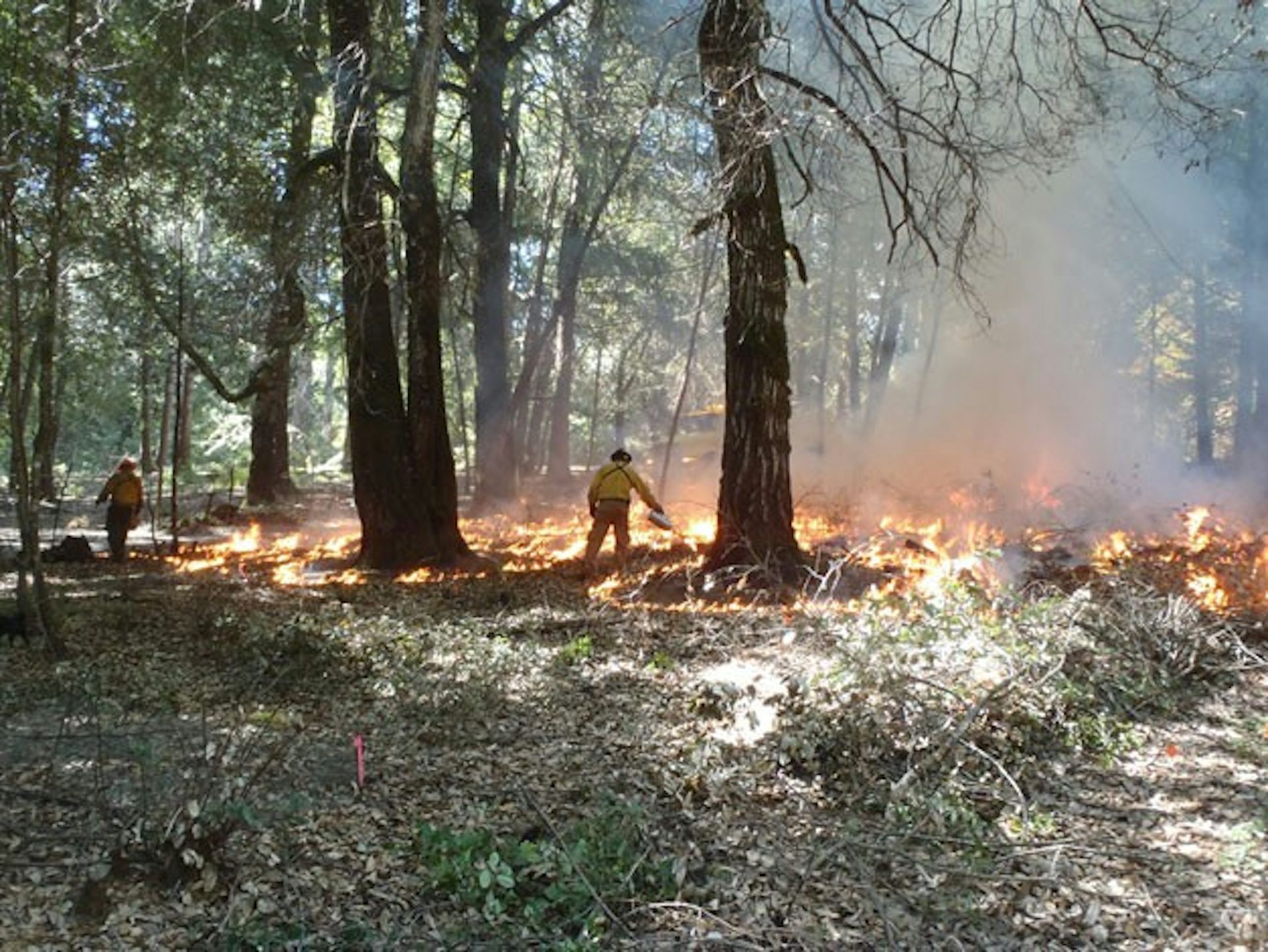
For thousands of years, Indigenous communities actively shaped the North American continent through a practice now known as "cultural burning" or "prescribed fire." Far from random acts, these burns were deliberate, seasonal, and goal-oriented, executed with a deep understanding of local ecosystems, weather patterns, and fuel types. As M. Kat Anderson, author of "Tending the Wild: Native American Knowledge and the Management of California’s Natural Resources," eloquently states, "Native Americans created a mosaic of habitats, each with its own array of plants and animals, by burning at different times and frequencies across the landscape." This was not pristine wilderness untouched by human hands; it was a carefully cultivated garden, rich in biodiversity and sustainable resources.
The scale of these operations was immense. Before the 19th century, estimates suggest that millions of acres across North America were intentionally burned annually. From the vast prairies of the Great Plains to the towering forests of the Pacific Northwest and the mixed woodlands of the East, fire was a constant, deliberate presence. The timing of these burns was crucial, often conducted in late fall or early spring when fuels were dry enough to carry a low-intensity fire, but moist enough in the soil to protect roots and seeds. The fires were typically cool, creeping along the forest floor, consuming leaf litter, fallen branches, and understory shrubs without damaging mature trees.
The motivations behind these practices were manifold, encompassing a holistic approach to land management that integrated subsistence, safety, and spiritual reciprocity.
Ecological and Economic Benefits:
- Fuel Reduction and Catastrophic Fire Prevention: Perhaps the most obvious benefit was the reduction of hazardous fuel loads. By regularly clearing away accumulated dead vegetation, Indigenous peoples prevented the buildup that, in its absence, leads to today’s intense, stand-replacing wildfires. These frequent, low-intensity burns created a resilient landscape less prone to catastrophic blazes.
- Enhancing Biodiversity and Habitat: Cultural burning fostered a patchwork quilt of different successional stages, from recently burned areas to mature forests. This mosaic landscape provided diverse habitats for a wide array of plants and animals. Certain plants, like some pines and sequoias, evolved to depend on fire for seed release and germination. Fire also stimulated new growth, attracting herbivores.
- Promoting Desirable Plant Species: Many plants crucial for food, medicine, and crafts thrived after fire. Burning cleared competing vegetation, enriched the soil with nutrients from ash, and stimulated the growth of basketry materials (like willow and sedge), medicinal herbs, and edible plants such as berries, acorns, and various grasses. For example, in California, burning encouraged the growth of hazelnut and dogwood shoots, prized for basket weaving.
- Improving Hunting and Foraging: By clearing underbrush, fire made travel and hunting easier. It also promoted the growth of tender new shoots and grasses, attracting deer, elk, and other game animals to specific areas. The ash from burns provided essential minerals for these animals. Indigenous hunters also used fire to drive game or to create open areas for buffalo jumps.
- Pest and Disease Control: Fire helped control insect populations, ticks, and plant diseases by disrupting their life cycles and destroying infected material. It also reduced competition from invasive species, allowing native plants to flourish.
- Forest Health and Structure: Regular, low-intensity fires maintained open forest understories, promoted healthy tree growth by reducing competition, and fostered the development of fire-resistant trees with thick bark.


Cultural and Spiritual Significance:
Beyond the tangible benefits, fire stewardship was deeply embedded in Indigenous cultures. It was an act of reciprocity, a way of caring for the land that, in turn, cared for the people. Ceremonies, stories, and knowledge systems revolved around fire. It represented purification, renewal, and the cyclical nature of life. Fire was "medicine for the land," a vital element for maintaining balance and harmony.
The Era of Suppression and its Devastating Consequences:
The arrival of European colonizers marked a catastrophic turning point. Driven by a combination of fear, misunderstanding, and a desire to assert control over Indigenous lands, settlers viewed Native American burning practices as primitive and destructive. They saw smoke as a sign of uncontrolled wilderness, not sophisticated management. As Indigenous populations were decimated by disease, warfare, and forced removal, their ancestral fire practices were violently suppressed. Laws were enacted making Indigenous burning illegal, and the "Smokey Bear" campaign, launched in the mid-20th century, cemented a national ethos of absolute fire suppression: "Only YOU can prevent forest fires."
This aggressive suppression, while initially reducing the number of fires, inadvertently created a ticking time bomb. Without the frequent, low-intensity burns that had historically cleared undergrowth, forests became dense, choked with decades of accumulated fuel. When fires inevitably ignited—from lightning or human activity—they encountered unprecedented fuel loads, leading to hotter, faster, and far more destructive megafires that burned at extreme intensities, killing mature trees and sterilizing soils. This shift from frequent, low-intensity fires to infrequent, high-intensity fires dramatically altered ecosystems, reducing biodiversity and threatening communities. The very "wilderness" Europeans sought to preserve was, in fact, being destroyed by their own misguided policies.
Rekindling the Flames: The Resurgence of Traditional Ecological Knowledge:
In recent decades, a growing recognition of the failures of total fire suppression has led to a renewed interest in Indigenous fire stewardship. Scientists, land managers, and policymakers are increasingly acknowledging what Native Americans knew all along: fire is not inherently bad; it is how we manage it that determines its impact.
Today, Indigenous communities are leading the charge to revive cultural burning practices, often in collaboration with federal and state agencies like the U.S. Forest Service and CalFire. Tribes like the Karuk, Yurok, and Hoopa in California, the Apache in the Southwest, and numerous others are reclaiming their ancestral role as fire stewards.
Frank Lake, a Karuk tribal member and research ecologist with the U.S. Forest Service, emphasizes this point: "Our ancestors have been doing this for millennia, and they understood the relationship between fire and the landscape and the resources. Now, we’re trying to integrate that back into our land management." This revival is not just about mimicking old techniques; it’s about re-establishing a relationship of reciprocity and respect with the land, guided by TEK.
Challenges remain. Bureaucratic hurdles, funding limitations, liability concerns, and the need to overcome generations of fire suppression mentality are significant obstacles. Public perception, still conditioned by the "Smokey Bear" message, can be resistant to seeing smoke from intentional burns. However, the successes are undeniable. Areas managed with cultural burns show increased ecological resilience, reduced fuel loads, enhanced biodiversity, and fewer catastrophic wildfires.
As climate change intensifies and wildfire seasons grow longer and more severe, the wisdom embedded in Native American fire stewardship offers a critical pathway forward. It teaches us that humans are not separate from nature, but an integral part of it. It reminds us that proper land management requires not just scientific data but also deep, experiential knowledge passed down through generations.
The rekindling of ancient fires is more than just an ecological restoration project; it is a cultural revitalization, a testament to the enduring power of Indigenous knowledge, and a beacon of hope for a future where humans and fire can coexist in a relationship of balance and renewal. By listening to and learning from the original fire keepers of this land, we can begin to heal our landscapes, protect our communities, and forge a more sustainable path forward, acknowledging that fire, when wielded with wisdom and respect, is indeed medicine for the land.


