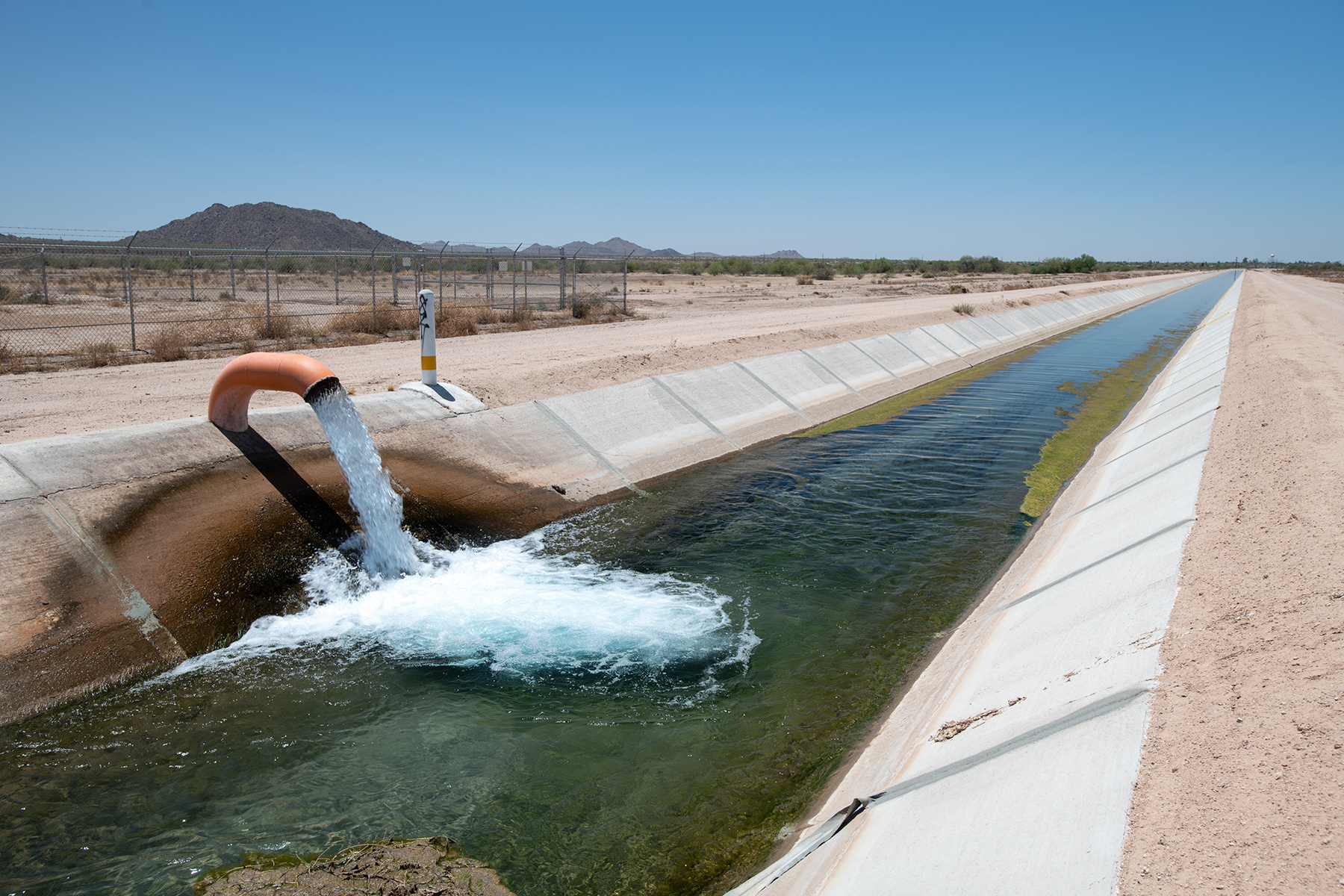

Water is life, a truth deeply understood and revered by Indigenous peoples across North America. For Native American communities residing on Indian Reservations, access to clean, reliable water is not merely a utility; it is fundamental to cultural identity, economic stability, public health, and spiritual well-being. However, these communities often face disproportionate challenges in securing and managing this vital resource.
This article delves into the complex landscape of water conservation on Indian Reservations, exploring the historical context, the unique hurdles faced by tribal nations, and the innovative, often community-led, strategies being implemented to foster water resilience in the face of climate change and increasing demand.
The Enduring Legacy: Understanding Tribal Water Rights
The foundation of tribal water rights is rooted in a complex history of treaties, federal laws, and court decisions. Foremost among these is the 1908 Winters v. United States Supreme Court decision, which established the doctrine of ‘reserved water rights.’ This doctrine asserts that when reservations were created, an implied amount of water was reserved for the tribes to fulfill the purposes of their homeland, often senior to later non-tribal water users.
Despite this legal precedent, many tribal water rights remain unquantified or unsettled, leading to ongoing disputes and a lack of secure access. The process of negotiating and litigating these claims is often protracted and expensive, leaving many communities in a state of uncertainty regarding their most precious resource.
Unique Challenges: A Multifaceted Crisis


Indian Reservations are frequently located in arid or semi-arid regions, making them particularly vulnerable to drought and water scarcity. Climate change exacerbates these existing vulnerabilities, bringing more frequent and intense droughts, altered precipitation patterns, and reduced snowpack, which is a critical source of water for many Western tribes.
Aging and Inadequate Infrastructure: Many tribal communities grapple with outdated or non-existent water infrastructure. This includes dilapidated pipelines, inefficient irrigation systems, and a lack of treatment facilities, leading to significant water loss, contamination, and unreliable service. The cost to repair or replace such infrastructure is often prohibitive for economically disadvantaged tribes.
Limited Access to Funding and Technical Expertise: Securing federal funding and technical assistance for water projects can be a bureaucratic maze. Tribes often face challenges in navigating complex grant applications, meeting stringent federal requirements, and competing with larger, better-resourced non-tribal entities.
Water Quality Concerns: Beyond scarcity, many reservations face severe water quality issues. Contamination from mining activities, agricultural runoff, industrial pollution, and inadequate wastewater treatment facilities can render existing water sources unsafe for consumption, agriculture, and cultural practices, impacting public health profoundly.
Jurisdictional Complexities: Water resources often cross jurisdictional boundaries, involving federal, state, and tribal governments. This can create complex legal and administrative hurdles, making integrated water management and effective conservation efforts challenging.
Why Water Conservation is More Than Just a Policy
For Indigenous communities, water conservation is not merely about efficient resource management; it’s a holistic approach deeply intertwined with cultural preservation, economic development, and self-determination.
- Cultural Significance: Water holds profound spiritual and cultural significance for many tribes, central to ceremonies, traditions, and the overall way of life. Conserving water is a way of honoring ancestors and ensuring cultural continuity for future generations.
- Economic Stability: Many tribal economies rely on water-dependent activities such as agriculture, ranching, and fishing. Water scarcity directly threatens these livelihoods and hinders economic self-sufficiency.
- Public Health: Access to clean, safe drinking water is a fundamental human right. Conservation efforts directly contribute to improving public health by ensuring a reliable supply of potable water and reducing exposure to contaminants.
- Environmental Stewardship: Indigenous communities have long practiced sustainable land and water management. Conservation aligns with these traditional values of protecting ecosystems and maintaining ecological balance.
Innovative Strategies: Building a Sustainable Water Future
Despite the formidable challenges, tribal nations are at the forefront of implementing innovative and culturally appropriate water conservation strategies. These efforts showcase resilience, ingenuity, and a deep commitment to stewardship.
Agricultural Efficiency: In many arid regions, agriculture consumes a significant portion of available water. Tribes are adopting advanced irrigation techniques such as drip irrigation and pivot systems, which deliver water directly to plant roots, minimizing waste. The cultivation of drought-resistant crops and the implementation of water-efficient livestock management practices are also gaining traction.
Residential and Municipal Conservation: Communities are encouraging water-saving habits through public awareness campaigns, promoting the use of low-flow fixtures in homes and public buildings, and implementing water-efficient landscaping with native plants that require less irrigation. Greywater recycling systems, which reuse water from sinks and showers for irrigation, are also being explored.
Watershed Management and Restoration: Tribes are actively engaged in restoring riparian zones, reforesting critical areas, and implementing practices that improve soil health to enhance natural water retention and filtration. Rainwater harvesting systems, from small-scale residential barrels to larger community cisterns, are capturing precipitation for various uses, reducing reliance on groundwater or surface water sources.
Leveraging Technology: Smart metering systems provide real-time data on water usage, allowing for better management and early detection of leaks. Remote sensing and geographic information systems (GIS) are used to monitor water levels, assess drought impacts, and plan conservation interventions more effectively.
Integrating Traditional Ecological Knowledge (TEK): Many tribal conservation efforts are deeply informed by generations of ancestral wisdom. TEK offers invaluable insights into local ecosystems, sustainable resource management practices, and climate adaptation strategies that are often more effective and resilient than purely Western scientific approaches.
Case Studies in Resilience: Tribal Success Stories
The Navajo Nation, facing severe drought and limited access to water, has invested in pipeline projects to deliver water to remote communities and is exploring aquifer storage and recovery systems. The Gila River Indian Community in Arizona has successfully managed its water resources, integrating traditional agricultural practices with modern water-saving technologies, demonstrating effective self-governance over their water rights.
The Zuni Pueblo in New Mexico has implemented a comprehensive water management plan that combines traditional farming methods, watershed restoration, and community education to ensure sustainable water use in their arid homeland.
Policy, Funding, and Collaboration: The Path Forward
Effective water conservation on reservations requires robust policy frameworks, consistent funding, and strong collaborative partnerships. Federal agencies like the Bureau of Indian Affairs (BIA), Environmental Protection Agency (EPA), and Department of Agriculture (USDA) offer various programs and grants, but these often need to be more accessible and tailored to tribal needs.
The settlement of tribal water rights claims is a crucial step, providing tribes with the legal certainty and resources needed to plan for their water future. Furthermore, inter-tribal cooperation and partnerships with state and federal agencies, as well as non-governmental organizations, are vital for sharing knowledge, resources, and best practices.
Tribal self-governance, allowing tribes to develop and enforce their own water codes and management plans, is paramount. This ensures that conservation efforts are culturally appropriate, community-driven, and aligned with tribal sovereignty and long-term visions.
Building Climate Resilience for Future Generations
As climate change intensifies, the focus shifts not just to conservation, but to building overall climate resilience. This includes developing robust drought contingency plans, investing in diversified water portfolios, and protecting critical aquatic habitats that support both ecosystems and human communities.
Empowering tribal youth through education and vocational training in water management and environmental science is also a critical investment, ensuring that future generations are equipped to continue the vital work of water stewardship.
Conclusion: A Call for Sustained Support and Recognition
Water conservation on Indian Reservations is a complex, urgent, and deeply significant endeavor. It is a testament to the resilience and innovative spirit of tribal nations who, despite historical injustices and ongoing challenges, continue to lead the way in sustainable resource management. Their efforts not only secure water for their own communities but also offer valuable lessons for the broader society facing increasing global water scarcity.
Supporting these efforts requires a concerted commitment from federal and state governments, non-tribal communities, and private organizations to honor treaty obligations, provide equitable funding and resources, and respect tribal sovereignty. By working together, we can ensure that water, the essence of life, remains accessible and abundant for all, especially for those who have protected it for millennia.
The challenges are immense, but the dedication of Indigenous peoples to their lands and waters offers a beacon of hope for a more sustainable future. Their voices and leadership are indispensable in the collective journey towards global water security.


