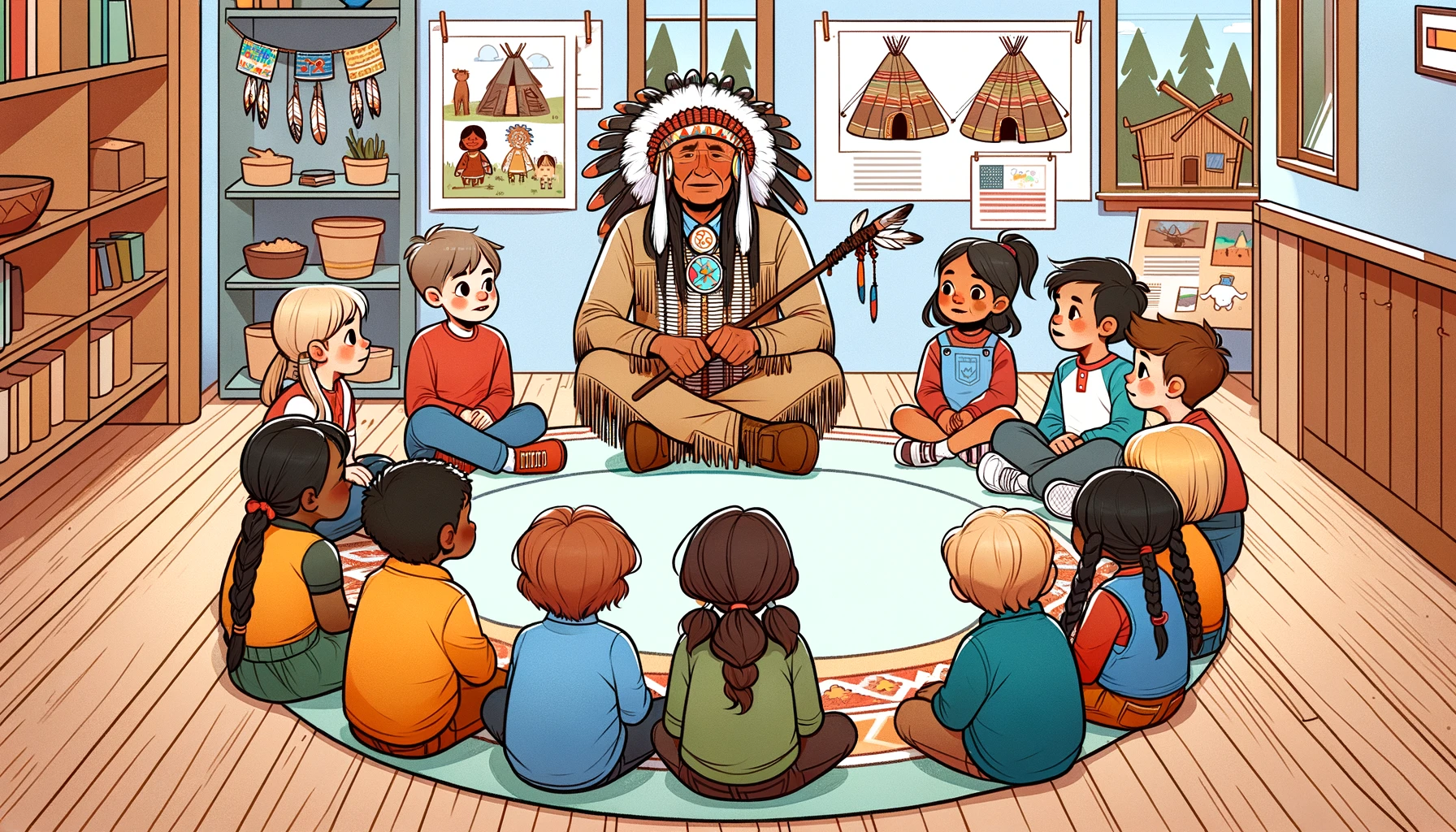

Teaching on Indian Reservations offers a deeply unique and profoundly rewarding path for educators. It’s a journey that extends beyond traditional classroom dynamics, inviting teachers to become integral parts of vibrant, resilient communities while contributing to the future of Native American youth.
This comprehensive guide aims to shed light on the multifaceted experience of teaching in these distinct educational settings. We’ll delve into the historical context, the contemporary challenges, the immense personal and professional rewards, and practical advice for those considering this impactful career.
Understanding the Unique Educational Landscape
Before diving into the specifics of teaching, it’s crucial to understand the context of Indian Reservations. These are lands managed by Native American tribes under the U.S. Department of the Interior’s Bureau of Indian Affairs (BIA). Education on reservations is primarily overseen by the Bureau of Indian Education (BIE) or by tribal school boards, often with significant input from the tribal government.
Why Choose to Teach on a Reservation?
Many educators are drawn to reservation schools by a desire to make a tangible difference in communities that have historically faced systemic disadvantages. It’s an opportunity to contribute to educational equity and empower the next generation of Native leaders, artists, and innovators.
The deep sense of community and the chance to immerse oneself in a rich cultural heritage are also powerful motivators. Teachers often find themselves becoming part of the tribal family, forming bonds that extend far beyond the school walls.
The Profound Rewards of Teaching in Tribal Communities
The rewards of teaching on an Indian Reservation are often cited as being deeply personal and professionally enriching. Educators speak of unparalleled opportunities for cultural immersion, learning directly from elders, and participating in ceremonies and traditions.
Personal Growth: Teachers often experience significant personal growth, developing a broader worldview, enhanced empathy, and a deeper understanding of diverse perspectives. It challenges preconceived notions and fosters resilience.
Community Impact: The direct impact on students’ lives and the community is often more visible and immediate. Contributing to the preservation of indigenous languages and cultures, and fostering a sense of pride in identity, is incredibly fulfilling.
Unique Learning Environment: The classroom environment can be dynamic, with opportunities to integrate place-based learning, traditional ecological knowledge, and community-led initiatives into the curriculum.
Navigating the Challenges: What to Expect
While immensely rewarding, teaching on Indian Reservations comes with its own set of challenges that prospective educators should be prepared for.
Resource Gaps: Many reservation schools, particularly BIE-funded ones, historically face challenges related to underfunding, inadequate facilities, and a lack of up-to-date resources compared to well-funded public schools. This can impact everything from technology access to classroom supplies.


Teacher Retention: High teacher turnover rates can be a significant issue, often due to isolation, cultural misunderstandings, or the demanding nature of the work. This highlights the need for dedicated, resilient educators.
Cultural and Linguistic Differences: Adapting to different cultural norms and communication styles is essential. Language barriers can exist if students speak a tribal language at home. Culturally responsive teaching becomes not just a best practice, but a necessity.
Historical Trauma: The legacy of residential boarding schools and historical injustices continues to impact Native American communities, influencing attitudes towards education and creating unique social-emotional needs among students. Understanding this history is vital for effective teaching.
Geographic Isolation: Many reservations are in rural, remote areas, meaning limited access to amenities, healthcare, and social activities outside the community. This can be an adjustment for those accustomed to urban or suburban living.
Qualifications and Preparation for Success
To teach on an Indian Reservation, educators generally need state certification, similar to teaching in any public school. However, additional preparation and specific qualities are highly valued.
State Certification: Most positions require a valid state teaching license for the subject and grade level you intend to teach. Requirements vary by state.
Cultural Competency: This is paramount. Teachers must be willing to learn about and respect the specific tribal culture, history, and traditions of the community they serve. Prior experience or training in multicultural education is a significant asset.
Flexibility and Adaptability: The ability to adapt to new environments, different teaching styles, and potentially limited resources is crucial. A ‘can-do’ attitude goes a long way.
Patience and Empathy: Building trust with students and families takes time. Understanding the unique backgrounds and potential challenges students face requires immense patience and empathy.
The Importance of Culturally Responsive Pedagogy
Culturally responsive teaching is the cornerstone of effective education on reservations. It means integrating the students’ cultural backgrounds, experiences, and prior knowledge into the curriculum and teaching methods.
Language Preservation: Many schools actively work to preserve and revitalize indigenous languages. Teachers might be expected to support these efforts, even if they don’t speak the language themselves, by showing respect and encouraging its use.
Curriculum Integration: Incorporating tribal history, storytelling, traditional arts, and local environmental knowledge into subjects like history, science, and literature makes learning more relevant and engaging for students.
Community Engagement: Building strong relationships with parents, elders, and tribal leaders is essential. They are invaluable resources for understanding the community’s needs and enriching the educational experience.
Finding Opportunities: Where to Look for Teaching Jobs
- Bureau of Indian Education (BIE) Schools: The BIE operates or funds over 180 schools and dormitories on 64 reservations in 23 states. Their website is a primary resource for job listings.
- Tribally Controlled Schools: Many tribes have taken control of their own schools. These positions are often advertised directly through tribal government websites or local job boards.
- Public Schools on or Near Reservations: Some public school districts serve reservation populations. Check state education department websites or individual district sites.
- Recruitment Programs: Organizations like Teach For America and various non-profits have programs specifically focused on placing teachers in high-need rural and tribal communities.
Support Systems for Teachers
- Mentorship programs with experienced educators.
- Professional development tailored to culturally responsive teaching and specific tribal contexts.
- Community welcome events and resources to help new residents integrate.
- Housing assistance or subsidies, which can be critical in remote areas.
Making a Difference: Tips for Success
Listen and Learn: Approach the community with humility and a genuine desire to learn. Listen more than you speak, especially in the initial months.
Be Present: Participate in community events, powwows, and local gatherings. Show your commitment beyond the classroom.
Build Relationships: Invest time in getting to know your students, their families, and community elders. Trust is earned.
Advocate for Resources: Be prepared to creatively use existing resources and advocate for what your students need.
Embrace Flexibility: Things may not always go as planned. A flexible mindset is key to navigating the unique dynamics of reservation life.
Seek Support: Don’t hesitate to reach out to colleagues, mentors, or community members when you need guidance or support.
Conclusion: A Path of Purpose and Impact
Teaching on Indian Reservations is not merely a job; it’s a calling to serve, learn, and grow within a vibrant cultural context. It demands dedication, cultural sensitivity, and a deep commitment to educational equity.
While challenges exist, the profound rewards of witnessing student success, contributing to cultural preservation, and becoming part of a resilient community make this an incredibly meaningful career path. For the right individual, it’s an opportunity to forge a legacy of positive impact that resonates for generations.
By understanding the unique landscape, preparing effectively, and embracing the community, educators can find an unparalleled sense of purpose and fulfillment in these vital schools.


