
Embarking on a career in healthcare offers a unique opportunity to make a tangible difference in people’s lives. For those seeking a path with profound impact, cultural immersion, and diverse professional challenges, healthcare careers on Indian Reservations present a compelling and rewarding option. These roles are not just jobs; they are vital contributions to communities with unique historical contexts and pressing health needs.
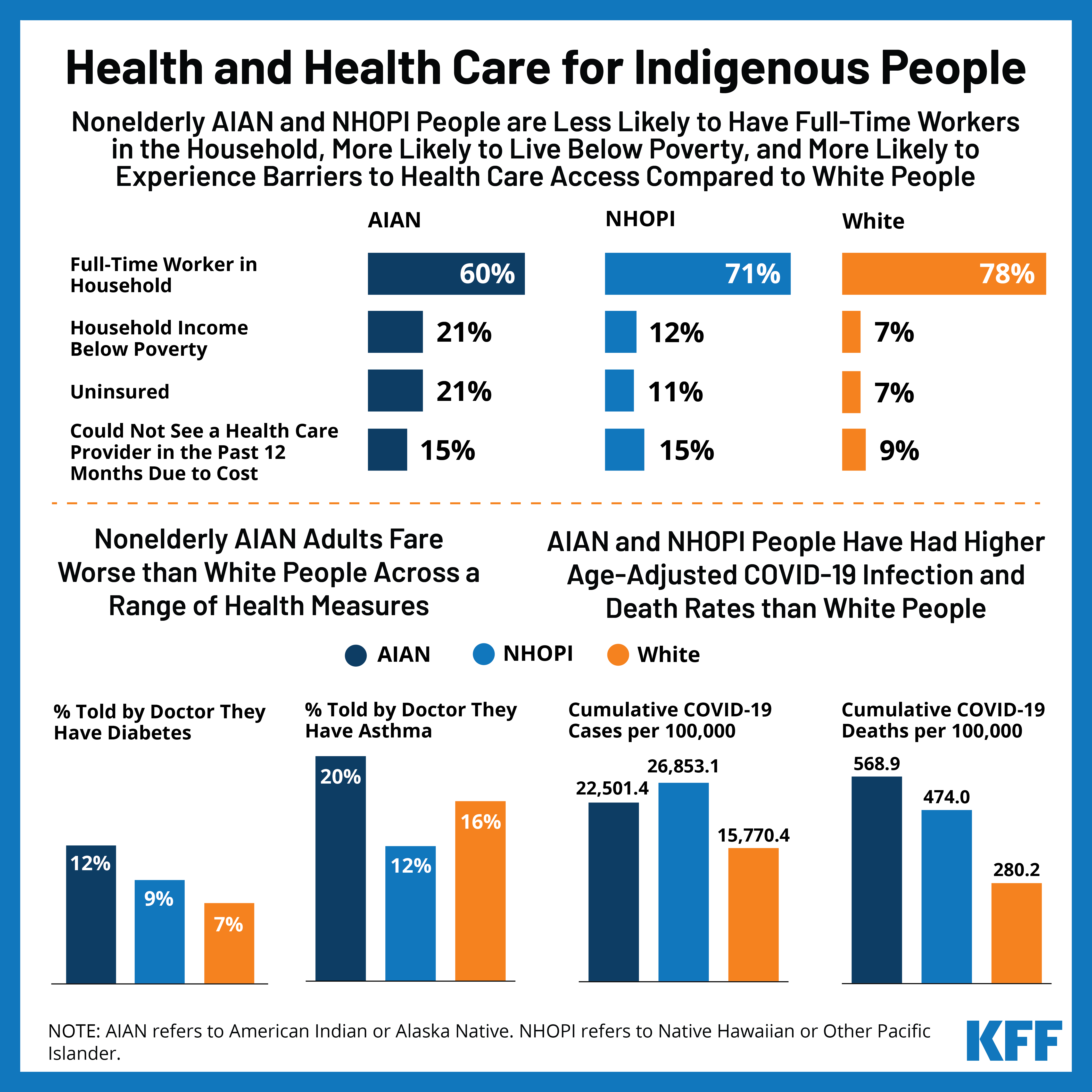
Native American communities, often located in rural and underserved areas, face significant health disparities. These disparities are rooted in complex historical, social, and economic factors, making dedicated and culturally competent healthcare professionals indispensable. Working within these communities means becoming part of a concerted effort to improve health outcomes and promote well-being.
Understanding the unique landscape of healthcare on Indian Reservations is crucial. The primary federal agency responsible for providing healthcare to federally recognized American Indians and Alaska Natives is the Indian Health Service (IHS). However, many tribes also operate their own health programs through self-governance compacts, offering additional avenues for employment.
Why consider a career in tribal healthcare? Beyond the noble pursuit of helping others, these positions often come with distinct advantages, including federal employment benefits, student loan repayment programs, and the chance to practice in a diverse and culturally rich environment. It’s an opportunity to grow professionally while contributing to a community’s resilience.
The Historical Context of Native American Health
Centuries of systemic challenges, including forced relocation, cultural suppression, and broken treaties, have profoundly impacted the health status of Native American populations. This historical trauma continues to manifest in higher rates of chronic diseases, mental health issues, and substance abuse compared to the general U.S. population. Healthcare professionals here work at the forefront of addressing these deep-seated issues.

The Role of Cultural Competency
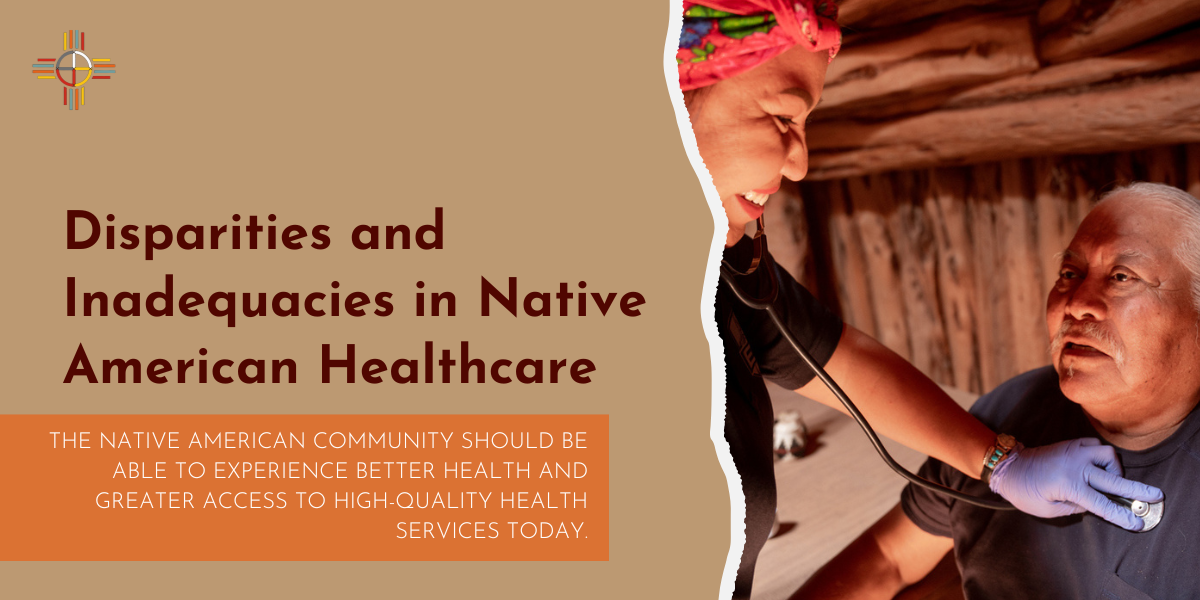
Providing effective care in Native American communities demands more than just clinical skills; it requires deep cultural competency. This involves understanding tribal customs, traditions, spiritual beliefs, and communication styles. Healthcare providers must approach their work with respect, humility, and a willingness to learn from the community they serve, fostering trust and effective patient-provider relationships.
Diverse Healthcare Roles on Reservations
- Physicians: From primary care doctors (family medicine, internal medicine, pediatrics) to specialists in fields like obstetrics, emergency medicine, and psychiatry, physicians are essential for comprehensive care.
- Nurses: Registered Nurses (RNs), Nurse Practitioners (NPs), Licensed Practical Nurses (LPNs), and Certified Nursing Assistants (CNAs) form the backbone of clinical operations, providing direct patient care, health education, and preventative services.
- Mental Health Professionals: Psychologists, social workers, counselors, and psychiatrists are critically needed to address the high rates of mental health challenges and provide culturally sensitive therapy and support.
- Dental Professionals: Dentists, dental hygienists, and dental assistants play a crucial role in improving oral health, which is often a significant area of need in these communities.
- Public Health Workers: Roles like Community Health Representatives (CHRs), epidemiologists, and health educators focus on preventative care, disease surveillance, and community-level interventions.
- Allied Health Professionals: This category includes pharmacists, physical therapists, occupational therapists, dietitians, medical laboratory technologists, and optometrists, all vital for holistic patient care.
- Administrative & Support Staff: Beyond direct patient care, roles in healthcare administration, coding, billing, IT support, and facility management are essential for smooth operations.
The Indian Health Service (IHS): A Major Employer
The IHS is a federal agency within the U.S. Department of Health and Human Services. It operates hospitals, health centers, and health stations across the country, serving over 2.6 million American Indians and Alaska Natives. Working for IHS means federal employment, which comes with a distinct set of benefits.
- Competitive salaries and comprehensive federal benefits packages (health insurance, retirement plans).
- Opportunities for professional development and continuing education.
- Eligibility for student loan repayment programs through the IHS Loan Repayment Program (LRP) for qualifying health professionals.
- Access to the Public Service Loan Forgiveness (PSLF) program.
- A chance to serve in diverse clinical settings, from large hospitals to small, remote clinics.
Tribally Operated Health Programs: Community-Driven Care
Many tribes have assumed control over their healthcare services, operating their own clinics and hospitals under self-governance compacts with the IHS. These tribally operated programs often offer a more direct connection to the community’s specific needs and cultural practices, providing a unique and impactful work environment.

Working for a tribally operated program allows for direct engagement with tribal leadership and community members, fostering a sense of shared purpose and cultural pride. These programs often prioritize traditional healing practices alongside Western medicine, creating a truly integrated approach to health.
Addressing Health Disparities: The Core Mission
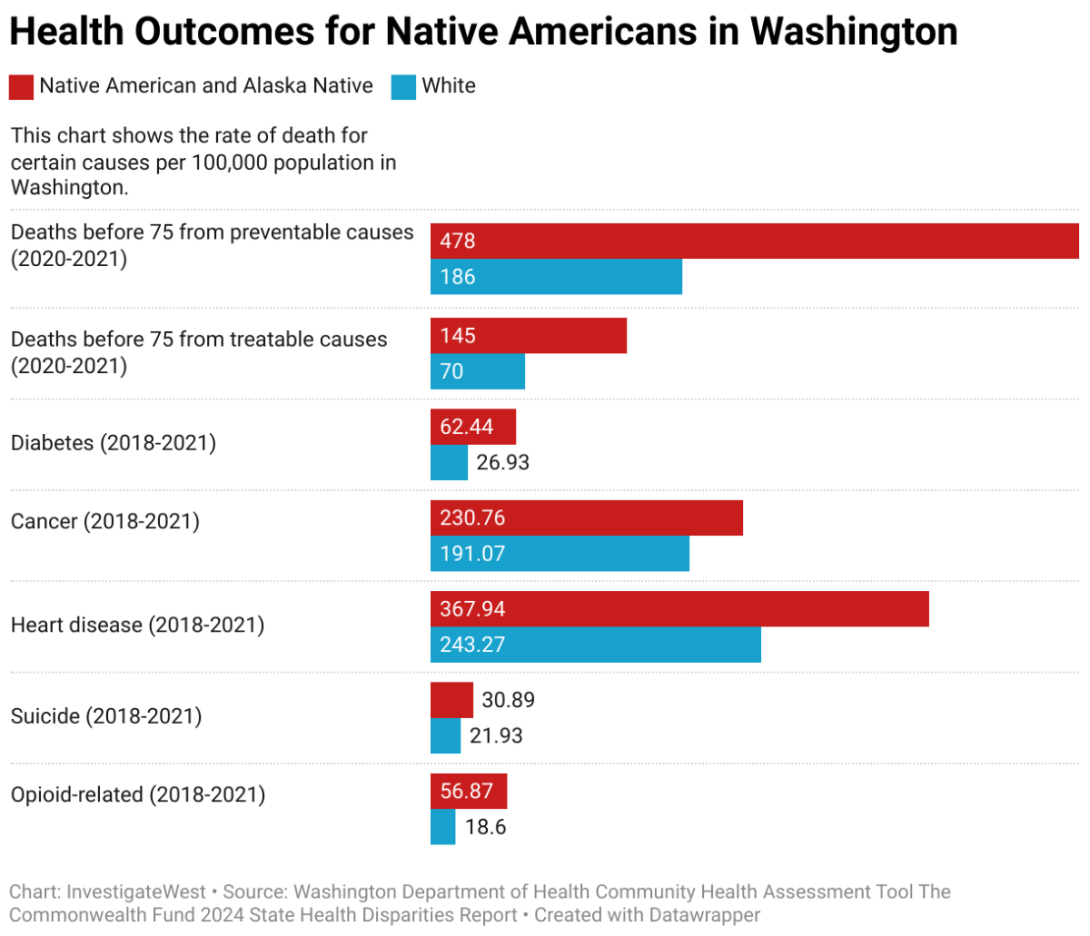
Healthcare professionals on reservations are instrumental in tackling critical health disparities. This includes higher rates of diabetes, heart disease, cancer, unintentional injuries, and infant mortality. Their work directly contributes to improving access to care, promoting preventative health, and managing chronic conditions within these populations.
- Diabetes prevention and management.
- Cardiovascular health initiatives.
- Maternal and child health programs.
- Substance abuse treatment and prevention.
- Suicide prevention and mental wellness programs.
- Infectious disease control.
Student Loan Repayment and Scholarship Opportunities
Recognizing the critical need for healthcare providers in underserved areas, several programs offer significant financial assistance. The IHS Loan Repayment Program (LRP) offers up to $40,000 for a two-year service commitment in exchange for full-time clinical service in an IHS facility or tribal health program. The National Health Service Corps (NHSC) also offers similar programs.
Additionally, the IHS Scholarship Program provides financial aid for American Indian and Alaska Native students pursuing health professions. These programs are powerful incentives for individuals committed to serving these communities.
Challenges and Rewards of the Role
While immensely rewarding, working in tribal healthcare can present unique challenges. These may include limited resources, geographic isolation, managing complex patient cases with multiple comorbidities, and navigating bureaucratic systems. However, these challenges are often outweighed by the profound satisfaction of making a tangible difference.
The opportunity to build deep relationships with patients and community members, witness the positive impact of your work firsthand, and immerse yourself in a rich cultural environment are among the most significant rewards. Many professionals describe it as a career that transforms them personally and professionally.
How to Prepare for a Career in Tribal Healthcare
-
Gain Relevant Education and Experience: Ensure your medical or health-related degree is from an accredited institution. Clinical experience, especially in rural or underserved settings, can be beneficial.
-
Develop Cultural Competency: Seek out training, workshops, or academic courses on Native American history, culture, and health issues. Engage with Native American communities respectfully and learn from their perspectives.
-
Explore Scholarship & Loan Repayment Options: Research the IHS Scholarship Program, IHS Loan Repayment Program, and NHSC programs early in your education or career.
-
Network and Intern: Connect with professionals already working in tribal healthcare. Internships or rotations in IHS or tribal facilities can provide invaluable experience and contacts.
-
Apply Strategically: Monitor job postings on the IHS website (USAJOBS.gov), tribal government websites, and professional association job boards.
A Call to Service and Impact
Healthcare careers on Indian Reservations are more than just jobs; they are a calling to serve, learn, and contribute to the well-being and self-determination of Native American communities. They offer a unique blend of professional challenge, cultural enrichment, and the profound satisfaction of truly making a difference where it’s needed most.
If you are a healthcare professional seeking a career path that offers both personal fulfillment and significant societal impact, exploring opportunities within the Indian Health Service and tribally operated health programs is a worthy endeavor. Your skills, dedication, and compassionate care can play a crucial role in building healthier futures for Native American populations.


