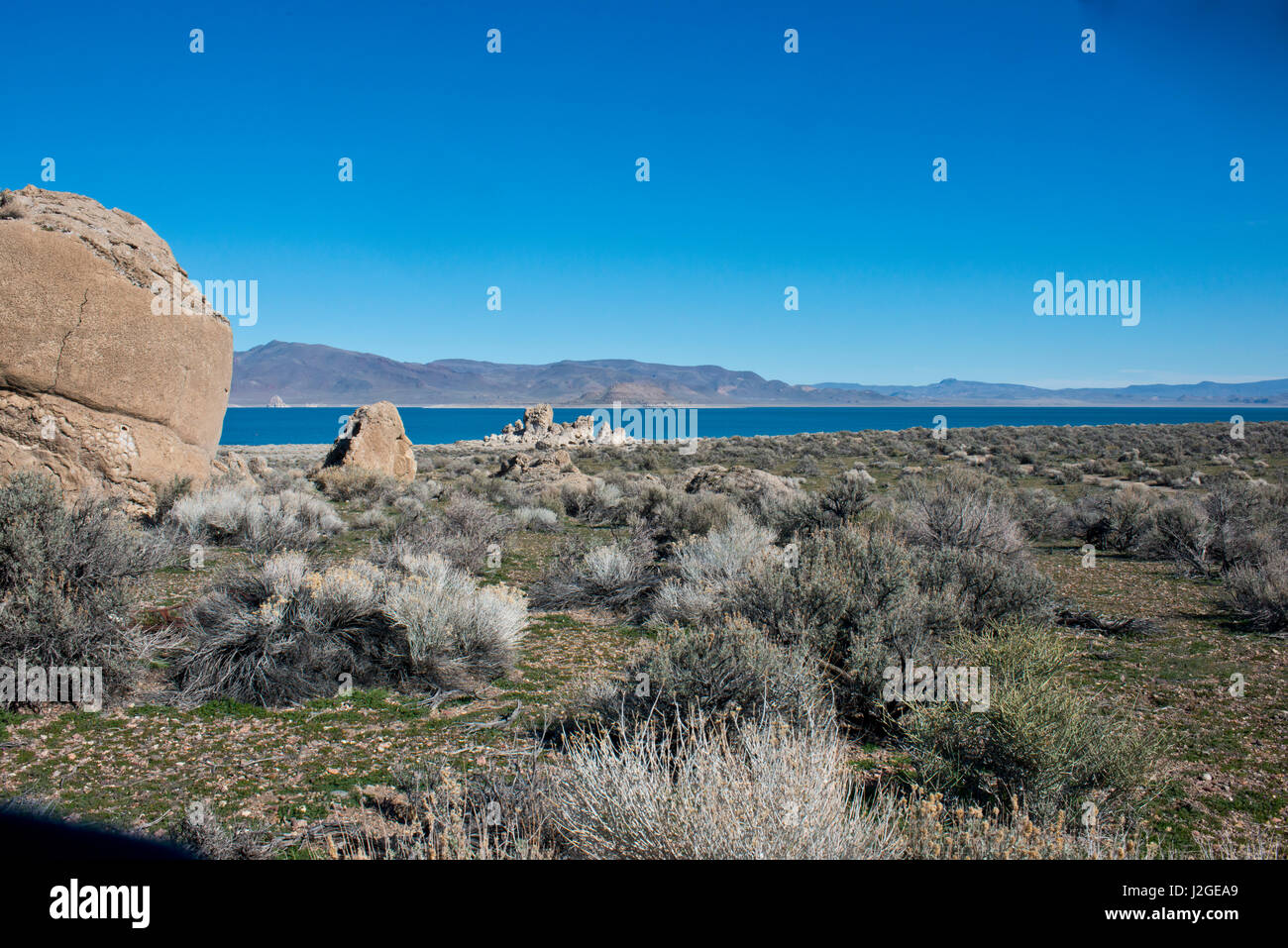

Nestled amidst the stark, mesmerizing beauty of Nevada’s high desert lies Pyramid Lake, a vast, ancient body of water unlike any other. This iconic lake is not merely a geographic feature; it is the heart and soul of the Pyramid Lake Paiute Tribe Reservation, a place steeped in history, rich in biodiversity, and profoundly significant to its people.
For centuries, the Pyramid Lake Paiute Tribe, known as the Numu, or ‘The People,’ has called this sacred land home. Their enduring connection to the lake and its surrounding landscape is a testament to resilience, cultural preservation, and a deep understanding of ecological stewardship. This comprehensive guide will take you on a journey through the wonders of Pyramid Lake and the vibrant heritage of its tribal guardians.
The lake itself is a terminal basin, meaning it has no outflow, leading to its distinctive saline waters. Fed primarily by the Truckee River, which originates in Lake Tahoe, Pyramid Lake is a relic of ancient Lake Lahontan, an enormous inland sea that covered much of Nevada during the last ice age.
A Glimpse into Pyramid Lake’s Mystique and History
The geological formations surrounding Pyramid Lake are as captivating as its waters. The most famous, the ‘Pyramid’ itself, is a tufa rock formation rising majestically from the lake’s surface, giving the lake its name. Another significant formation is the ‘Stone Mother’ (Winnemucca Tufa), a revered site in Paiute lore, believed to represent a grieving mother and her children turned to stone.
The history of human habitation around Pyramid Lake stretches back thousands of years. Archaeological evidence indicates Paleo-Indian presence, with some of the oldest human remains in North America found in the region. The Paiute people have long thrived here, adapting to the desert environment and developing a rich culture centered around the lake’s abundant resources.
European contact in the 19th century brought dramatic changes. The California Gold Rush and subsequent westward expansion led to increased encroachment on Paiute lands and resources. The Pyramid Lake Paiute Tribe Reservation was officially established in 1859 by executive order, making it one of the oldest Indian reservations in the United States.
This period was not without conflict. The Paiute War of 1860, a significant clash between the Paiute and encroaching settlers, underscored the tribe’s determination to protect their ancestral lands and way of life. The legacy of these struggles is a powerful reminder of the tribe’s enduring strength and sovereignty.
Unique Ecology: A Haven for Rare Species
Pyramid Lake is not just beautiful; it’s an ecological marvel. Its unique ecosystem supports species found nowhere else on Earth. The most famous residents are the Lahontan cutthroat trout (LCT) and the cui-ui, both of which hold immense cultural and biological significance.
The Lahontan cutthroat trout, once thought extinct in Pyramid Lake due to overfishing and habitat degradation, has made a remarkable comeback thanks to intensive conservation efforts by the Pyramid Lake Paiute Tribe. These magnificent fish can grow to impressive sizes, making Pyramid Lake a world-renowned destination for trophy trout fishing.
The cui-ui (pronounced ‘wee-wee’) is an ancient, endangered sucker fish endemic to Pyramid Lake. This living fossil has been a primary food source for the Paiute people for millennia. The tribe’s dedication to protecting the cui-ui’s spawning habitat in the Truckee River is crucial for its survival and highlights their commitment to ecological balance.
Another ecological gem is Anaho Island National Wildlife Refuge, located within Pyramid Lake. This island serves as a vital nesting ground for one of North America’s largest breeding colonies of American white pelicans, offering a spectacular sight for visitors from a distance (landing on the island is prohibited to protect the birds).
Paiute Culture and Modern Life on the Reservation
The Pyramid Lake Paiute Tribe maintains a vibrant culture deeply rooted in tradition. The Numu language, though challenged by historical pressures, is actively being preserved through tribal education programs. Traditional ceremonies, storytelling, and artistic expressions continue to connect younger generations to their ancestors.


The tribe’s spiritual connection to the land and water remains paramount. The Stone Mother, for instance, is not just a rock formation but a sacred site embodying a powerful creation story and a reminder of the Paiute people’s origins and their relationship with the natural world.
Today, the Pyramid Lake Paiute Tribe operates as a sovereign nation with its own tribal government. They manage the reservation’s resources, enforce laws, and provide services to their members, balancing traditional values with the demands of modern society.
Recreation and Tourism: Experiencing Pyramid Lake
Pyramid Lake is a popular destination for outdoor enthusiasts. Is Pyramid Lake open to the public? Yes, the reservation welcomes visitors, but it’s crucial to understand that it is tribal land, and specific regulations apply to ensure respect for the environment and tribal sovereignty.
Visitors seeking to fish, boat, or camp on the reservation must purchase a permit. Do you need a permit for Pyramid Lake? Absolutely. Permits are mandatory and can be obtained online through the tribe’s official website or from various vendors on and around the reservation. These funds directly support tribal programs, conservation efforts, and the management of visitor services.
For anglers, Pyramid Lake is a dream come true, especially during the colder months when the Lahontan cutthroat trout are most active. Fishing from shore, particularly ‘ladder fishing,’ is a unique experience here. Always check current fishing regulations, limits, and seasons.
Can you swim in Pyramid Lake NV? Yes, swimming is permitted in designated areas. The lake’s clear, cool waters offer a refreshing escape, though visitors should be mindful of the often-strong winds and deep drop-offs. Always exercise caution and follow safety guidelines.
Beyond fishing and swimming, the lake offers opportunities for:
- Boating: Kayaking, paddleboarding, and motorized boating are popular, with several launch points available.
- Camping: Primitive and developed campsites are available, offering stunning views of the lake and starry desert nights.
- Photography: The unique tufa formations, vast open skies, and wildlife provide endless photographic opportunities.
- Bird Watching: The lake is a haven for various bird species, including pelicans, cormorants, and various waterfowl.
Who owns Pyramid Lake Nevada? Pyramid Lake and the surrounding reservation lands are owned and governed by the Pyramid Lake Paiute Tribe. It is sovereign tribal land, not federal or state land, which is why tribal permits and regulations apply.
What tribe lives at Pyramid Lake? The Pyramid Lake Paiute Tribe, also known as the Numu, are the indigenous people and current residents of the Pyramid Lake Paiute Reservation.
What is Pyramid Lake known for? It’s famous for its giant Lahontan cutthroat trout, the ancient cui-ui fish, the iconic Pyramid and Stone Mother tufa formations, and as the ancestral home of the Pyramid Lake Paiute Tribe.
What is the history of Pyramid Lake Nevada? The history spans from ancient Paleo-Indian habitation to the long-standing presence of the Paiute people, European contact, the establishment of the reservation, the Paiute War of 1860, and ongoing struggles for water rights and cultural preservation.
Challenges and the Future: Water Rights and Conservation
The Pyramid Lake Paiute Tribe has historically faced, and continues to contend with, significant challenges, particularly regarding water rights. The Truckee River, the lake’s primary inflow, is also a vital water source for agriculture and urban areas like Reno and Sparks.
Decades of legal battles and negotiations have focused on ensuring sufficient water flows to Pyramid Lake to sustain its unique ecosystem and support the cui-ui and Lahontan cutthroat trout populations. The tribe’s unwavering advocacy has been crucial in protecting the lake’s health.
The tribe is a leader in environmental stewardship, implementing innovative programs for habitat restoration, species management, and water quality monitoring. Their efforts benefit not only the reservation but also contribute significantly to regional conservation.
Conclusion: A Legacy of Resilience and Natural Splendor
The Pyramid Lake Paiute Tribe Reservation is more than just a place on a map; it is a living testament to the enduring spirit of a people, a sanctuary for unique wildlife, and a landscape of unparalleled beauty. Its history is etched into the towering tufa formations and reflected in the deep, clear waters.
Visiting Pyramid Lake offers a rare opportunity to connect with nature, experience a rich cultural heritage, and witness the ongoing efforts of a sovereign nation dedicated to preserving its traditions and environment. Remember to always visit with respect, adhere to tribal regulations, and appreciate the profound significance of this extraordinary Nevada jewel.
Whether you’re casting a line for a trophy trout, marveling at the pelicans of Anaho Island, or simply soaking in the quiet grandeur of the desert landscape, Pyramid Lake leaves an indelible impression. It is a place where ancient history, vibrant culture, and critical conservation converge, offering a truly unique and enriching experience for all who visit.


