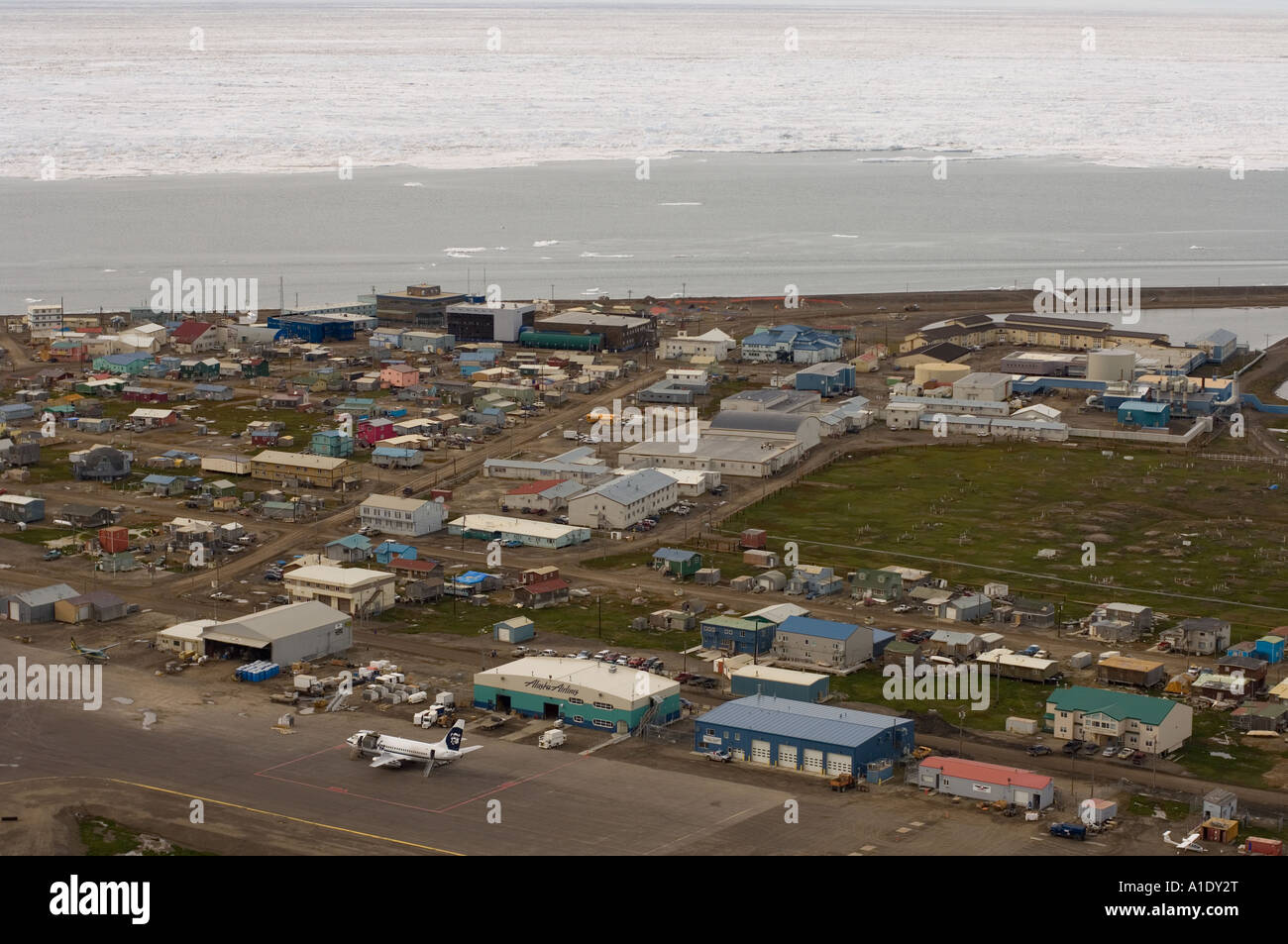
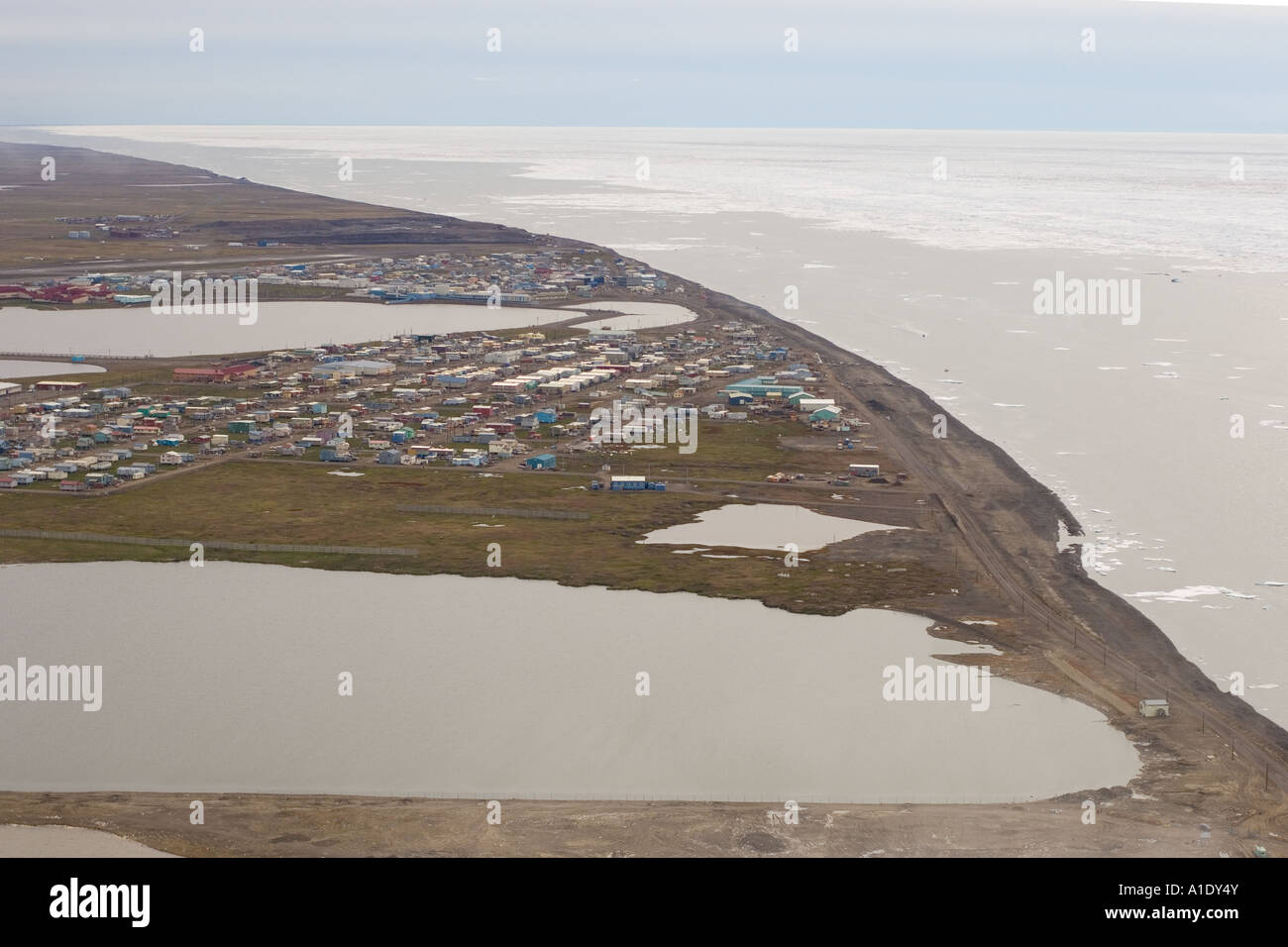
Utqiagvik, formerly known as Barrow, is the northernmost city in the United States, located in Alaska. It’s home to a vibrant Inupiat community with a deep connection to the land and sea. This article delves into the history, culture, traditions, and modern challenges faced by the Utqiagvik Inupiat people.
The Inupiat are an Indigenous Alaskan group with a history stretching back thousands of years. Their traditional territory encompasses a vast area of northern and northwestern Alaska. Their name, ‘Inupiat,’ simply means ‘real people.’
Utqiagvik’s history is intertwined with the Inupiat’s relationship with the Arctic environment. For centuries, they have relied on subsistence hunting and fishing for survival, adapting their lifestyle to the harsh climate and seasonal changes. The arrival of Western explorers and whalers in the 19th century brought significant changes, including the introduction of new technologies, diseases, and economic systems.
The name change from Barrow to Utqiagvik in 2016 reflects a renewed emphasis on Inupiat language and culture. ‘Utqiagvik’ means ‘a place for gathering wild roots’ in the Inupiat language, Iñupiaq. This renaming symbolizes a reclaiming of their heritage and a commitment to preserving their unique identity.
The Inupiat culture is deeply rooted in respect for nature and the importance of community. Traditional values such as sharing, cooperation, and respect for elders are central to their way of life. Storytelling, music, and dance play vital roles in preserving and transmitting cultural knowledge across generations.
Subsistence Hunting and Fishing: At the heart of Inupiat culture is subsistence hunting and fishing. They harvest whales, seals, walruses, caribou, fish, and birds, using traditional methods passed down through generations. These activities are not just about obtaining food; they are integral to their cultural identity, social structure, and spiritual beliefs.

Whaling: The annual bowhead whale hunt is a particularly significant event for the Utqiagvik Inupiat. It’s a time of community cooperation, spiritual reflection, and celebration. The whale provides food, materials, and cultural sustenance for the entire community.
Iñupiaq Language: The Iñupiaq language is an essential part of Inupiat identity. Efforts are underway to revitalize and preserve the language, which has faced challenges from the dominance of English. Language nests, schools, and community programs are working to ensure that future generations can speak and understand Iñupiaq.
Art and Crafts: Inupiat art and crafts reflect their connection to the land and sea. Traditional crafts include carving ivory, bone, and wood, as well as sewing garments from animal skins. These crafts are not only beautiful but also functional, providing essential tools and clothing for survival in the Arctic.
The Utqiagvik Inupiat community faces numerous challenges in the 21st century, including climate change, economic development, and social issues.
Climate Change: The Arctic is warming at a rate twice as fast as the global average, and Utqiagvik is on the front lines of climate change. Melting sea ice, thawing permafrost, and coastal erosion are threatening the community’s infrastructure, subsistence hunting practices, and traditional way of life. The changes in animal migration patterns and the availability of traditional food sources are particularly concerning.
Economic Development: While Utqiagvik has benefited from oil and gas development in the region, the economic benefits have also brought challenges. The influx of outside workers, the disruption of traditional lifestyles, and the environmental impacts of resource extraction are all concerns. Balancing economic development with cultural preservation and environmental protection is a constant challenge.
Social Issues: Like many Indigenous communities, Utqiagvik faces social issues such as poverty, substance abuse, and mental health challenges. These issues are often rooted in historical trauma, cultural loss, and the rapid pace of social change. Community-based programs and culturally relevant interventions are essential to addressing these challenges.
The Utqiagvik Inupiat community is actively working to adapt to these challenges and build a sustainable future. They are drawing on their traditional knowledge, cultural values, and resilience to navigate the complexities of the modern world.
Community-Based Solutions: The community is implementing various initiatives to address climate change, promote cultural preservation, and improve social well-being. These include renewable energy projects, language revitalization programs, and mental health services.
Collaboration and Partnerships: The Utqiagvik Inupiat are collaborating with government agencies, research institutions, and other organizations to address the challenges they face. These partnerships are essential for accessing resources, sharing knowledge, and developing effective solutions.
Empowering Future Generations: Investing in the education and leadership development of young people is crucial for ensuring the long-term sustainability of the Utqiagvik Inupiat community. Programs that promote cultural identity, academic achievement, and career readiness are essential for empowering future generations to become leaders and advocates for their community.
What is Utqiagvik known for? Utqiagvik is known for being the northernmost city in the United States and for its rich Inupiat culture and traditions. It’s also a hub for Arctic research and a gateway to the Arctic wilderness.
What language do they speak in Utqiagvik? The primary language spoken in Utqiagvik is English, but many residents also speak Iñupiaq, the traditional language of the Inupiat people. Efforts are underway to revitalize and preserve the Iñupiaq language.
How do people in Utqiagvik survive? People in Utqiagvik survive through a combination of subsistence hunting and fishing, wage employment, and government assistance. Subsistence activities are essential for food security, cultural identity, and social cohesion.
What is the weather like in Utqiagvik? The weather in Utqiagvik is characterized by long, cold winters and short, cool summers. Temperatures can drop well below freezing in the winter, and the city experiences extended periods of darkness. Sea ice and snow cover are common for much of the year.
The Utqiagvik Inupiat community stands as a testament to the resilience, adaptability, and cultural richness of Indigenous peoples in the Arctic. Despite facing numerous challenges, they have persevered and maintained their unique identity. By embracing their traditions, collaborating with others, and empowering future generations, they are building a sustainable future for their community. The story of Utqiagvik is a reminder of the importance of cultural preservation, environmental stewardship, and social justice in a rapidly changing world.
The Inupiat people are deeply connected to the land and sea, relying on subsistence hunting and fishing for their livelihoods and cultural identity.
The Iñupiaq language is a vital part of their heritage, and efforts are ongoing to revitalize and preserve it for future generations.
Climate change poses a significant threat to the Utqiagvik Inupiat community, impacting their traditional way of life and the Arctic environment.
Community-based solutions, collaboration, and empowerment are key to addressing the challenges and building a sustainable future for Utqiagvik.
Utqiagvik’s history is intertwined with whaling and the bowhead whale hunt, which is a central part of their culture.
The Inupiat culture emphasizes values such as sharing, cooperation, and respect for elders.
Utqiagvik has experienced significant changes due to Western influences, including economic development and social issues.
The name change from Barrow to Utqiagvik signifies a reclaiming of Inupiat heritage and identity.
The community’s resilience and adaptability are evident in their efforts to navigate the complexities of the modern world while preserving their cultural traditions.
Utqiagvik Inupiat art and crafts reflect their connection to the land and sea and serve both functional and artistic purposes.
The future of Utqiagvik depends on the ability to balance economic development with cultural preservation and environmental protection.
Investing in the education and leadership development of young people is essential for ensuring the long-term sustainability of the community.
The Utqiagvik Inupiat community serves as an inspiration for other Indigenous communities facing similar challenges around the world.
The Inupiat people are actively involved in Arctic research and contribute valuable traditional knowledge to scientific understanding of the region.
The community’s commitment to preserving their cultural heritage is a testament to their strength and resilience in the face of adversity.
The Utqiagvik Inupiat community is a vibrant and dynamic society that continues to evolve while staying true to its roots.
By sharing their story, the Utqiagvik Inupiat are helping to raise awareness about the challenges and opportunities facing Indigenous peoples in the Arctic.
The Utqiagvik Inupiat community is a reminder of the importance of cultural diversity and the need to protect the rights and traditions of Indigenous peoples around the world.


