The Urban Indian Relocation Program, a federal initiative that spanned from the 1950s to the 1970s, aimed to encourage Native Americans to leave reservations and assimilate into mainstream urban society. While presented as an opportunity for economic advancement and a better life, the program had profound and often devastating consequences for both the individuals who participated and the reservations they left behind. This article delves into the complexities of this program, examining its historical context, intended goals, and the far-reaching impacts it had on reservation communities.
Understanding the Historical Context
To fully grasp the significance of the Urban Indian Relocation Program, it’s crucial to understand the historical backdrop against which it was implemented. Following World War II, the United States government shifted its policies towards Native Americans, moving away from the reservation system and towards assimilation. This shift was driven by several factors, including a desire to reduce federal expenditures on Native American affairs and a belief that assimilation was the best path forward for Native Americans.
The termination policy, enacted in the 1950s, aimed to end the federal government’s trust relationship with tribes, effectively dissolving tribal sovereignty and opening up reservation lands for sale. The Urban Indian Relocation Program was a key component of this termination policy, designed to encourage Native Americans to leave their reservations and integrate into urban areas, thereby reducing the perceived need for reservations altogether.
The Goals of the Relocation Program
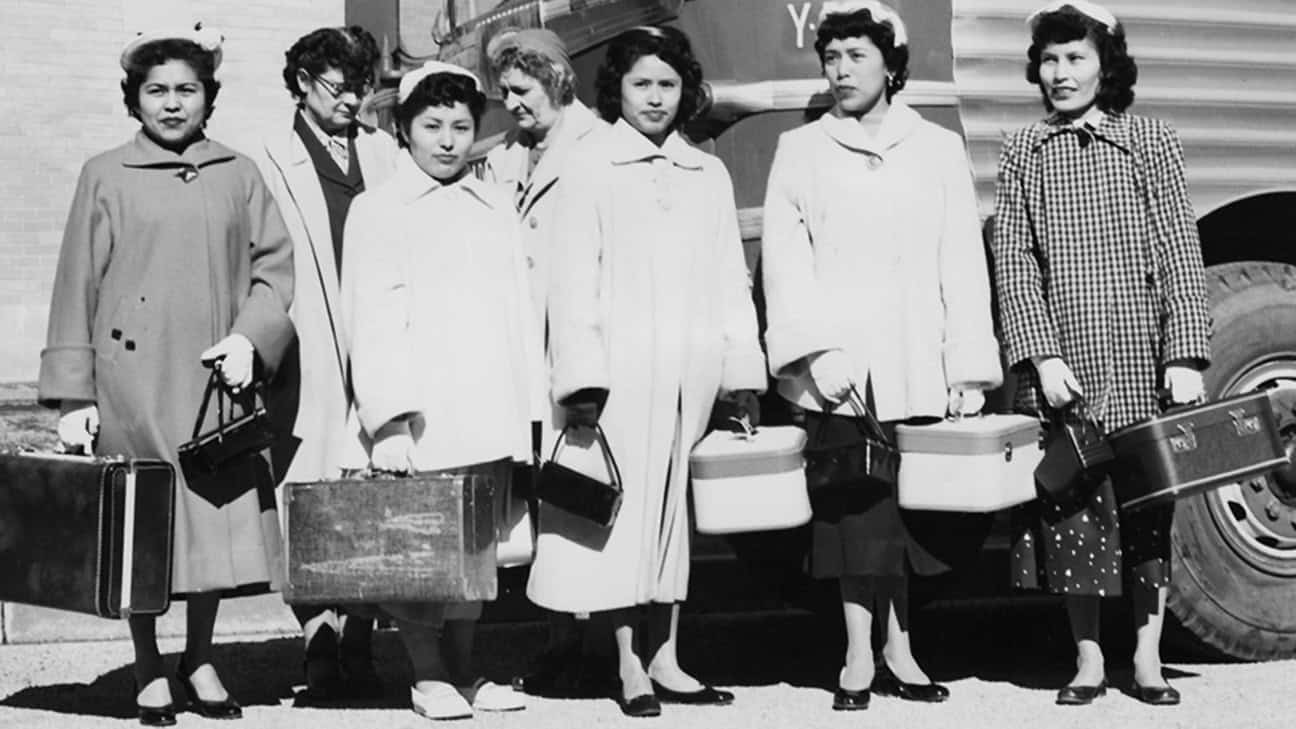
The stated goals of the Urban Indian Relocation Program were primarily economic. Proponents argued that reservations offered limited opportunities for employment and economic advancement, while urban areas presented a wealth of jobs and a higher standard of living. The program offered financial assistance, vocational training, and housing assistance to Native Americans who agreed to relocate to designated urban centers.
+encouraged+Indians+to+leave+reservations+to+work+in+cities..jpg "Urban Indian Relocation Impact On Reservations")
The Bureau of Indian Affairs (BIA) played a central role in administering the program, providing relocation services and support to participants. However, the reality of the program often fell far short of its promises. Many Native Americans who relocated found themselves ill-prepared for urban life, lacking the skills and support networks necessary to succeed. Discrimination, poverty, and social isolation were common experiences for many participants.
The Impact on Reservations: A Multifaceted Analysis
The Urban Indian Relocation Program had a significant and lasting impact on Native American reservations, contributing to population decline, cultural disruption, and economic hardship. The loss of working-age adults from reservations weakened tribal economies and strained social structures. The absence of these individuals also had a detrimental effect on the transmission of cultural knowledge and traditions to younger generations.
One of the most immediate and visible impacts of the relocation program was the decline in reservation populations. As young adults and families left in search of opportunities in urban areas, reservations experienced a demographic shift, with a higher proportion of elderly and young people remaining. This demographic imbalance placed a strain on already limited resources and services, making it difficult for reservations to maintain their economic viability.
The loss of skilled workers and entrepreneurs further hampered economic development efforts on reservations. With fewer people to fill jobs and start businesses, reservations struggled to attract investment and create sustainable economies. This economic stagnation perpetuated a cycle of poverty and dependence on government assistance.
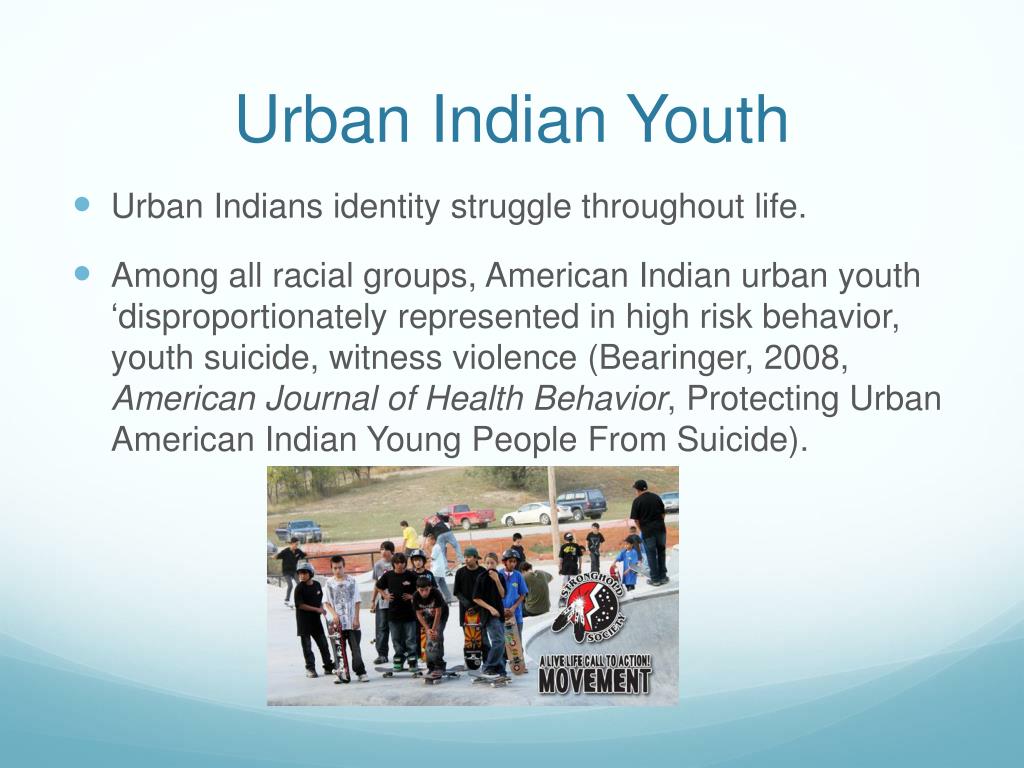
The relocation program also contributed to cultural disruption and a loss of identity among Native Americans. As individuals moved away from their communities and traditional ways of life, they often found themselves isolated from their culture and traditions. The pressure to assimilate into mainstream society led many to abandon their Native languages, customs, and spiritual practices.
Children who grew up in urban areas often had limited exposure to their Native culture, making it difficult for them to connect with their heritage and identity. This cultural disconnect contributed to feelings of alienation and a sense of loss, impacting their self-esteem and overall well-being.
The experience of relocation was often traumatic for Native Americans, leading to a range of social and psychological problems. Many participants experienced culture shock, loneliness, and discrimination in their new urban environments. The lack of support networks and culturally relevant services made it difficult for them to cope with these challenges.
Substance abuse, mental health issues, and family breakdown were common among those who relocated. The stress of adapting to a new environment, coupled with the loss of cultural identity and social support, took a heavy toll on their mental and emotional well-being.
The Long-Term Consequences and Intergenerational Trauma
The consequences of the Urban Indian Relocation Program continue to be felt on reservations today. The program contributed to a legacy of intergenerational trauma, with the children and grandchildren of those who relocated experiencing the lasting effects of cultural disruption, loss of identity, and economic hardship.
Many Native American families have struggled to maintain their cultural traditions and languages, leading to a weakening of tribal identity. The economic disparities between reservations and urban areas persist, with reservations continuing to face high rates of poverty, unemployment, and substance abuse.
Addressing the Legacy: Healing and Reconciliation
In recent years, there has been a growing recognition of the need to address the legacy of the Urban Indian Relocation Program and promote healing and reconciliation. Tribal communities are working to reclaim their cultures, revitalize their languages, and strengthen their economies. Efforts are also underway to provide culturally relevant mental health services and support for those affected by the program.
The federal government has a responsibility to acknowledge the harm caused by the relocation program and to provide resources and support for tribal communities to heal and rebuild. This includes investing in education, healthcare, and economic development on reservations, as well as supporting efforts to preserve and promote Native American cultures and languages.
Common Questions and Concerns
Did the Urban Indian Relocation Program achieve its goals?
While the program aimed to improve the economic prospects of Native Americans, it largely failed to achieve its intended goals. Many participants experienced poverty, discrimination, and social isolation in urban areas, and the program contributed to a weakening of tribal communities and cultures.
What support is available for those affected by the program?
A range of services are available for Native Americans affected by the relocation program, including culturally relevant mental health services, substance abuse treatment, and support for language and cultural revitalization. Tribal organizations and urban Indian centers play a crucial role in providing these services.
How can we learn more about the history of the program?
Numerous books, articles, and documentaries explore the history of the Urban Indian Relocation Program. Tribal museums and cultural centers also offer valuable resources and insights into the experiences of those who participated in the program.
The Role of Urban Indian Centers
Urban Indian Centers emerged as vital community hubs for Native Americans who relocated to cities. These centers provide a range of services, including healthcare, social services, cultural programs, and employment assistance. They serve as a bridge between the urban environment and Native American traditions, offering a sense of belonging and cultural continuity for those who are far from their tribal lands.
Contemporary Relevance and Future Directions
The legacy of the Urban Indian Relocation Program continues to shape the lives of Native Americans today. Understanding the historical context and the long-term consequences of this policy is essential for promoting healing, reconciliation, and social justice. By supporting tribal sovereignty, investing in reservation communities, and promoting cultural understanding, we can work towards a future where Native Americans thrive and their cultures are celebrated.
The program’s impact serves as a crucial lesson in the importance of culturally sensitive policies and the need to respect tribal sovereignty. It highlights the devastating consequences that can occur when government policies fail to consider the unique needs and perspectives of Native American communities.
Conclusion: A Call for Understanding and Action
The Urban Indian Relocation Program represents a complex and often painful chapter in American history. While intended to improve the lives of Native Americans, it ultimately contributed to cultural disruption, economic hardship, and intergenerational trauma on reservations. By understanding the history of this program and its lasting consequences, we can work towards a more just and equitable future for Native American communities. It is imperative to support tribal sovereignty, invest in reservation economies, and promote cultural preservation to ensure that Native American cultures thrive for generations to come. The path forward requires acknowledging the past, addressing the present challenges, and working collaboratively to build a brighter future for all.
Understanding the impact of the Urban Indian Relocation Program requires a nuanced approach, acknowledging both the stated intentions and the lived realities of those affected. By amplifying the voices of Native Americans and supporting their self-determination, we can contribute to a process of healing and reconciliation that honors their resilience and cultural heritage.
It is also crucial to recognize the ongoing challenges faced by Native American communities, including poverty, discrimination, and lack of access to essential services. Addressing these challenges requires a comprehensive approach that includes investments in education, healthcare, and economic development, as well as policies that protect tribal sovereignty and promote cultural preservation.
Ultimately, the legacy of the Urban Indian Relocation Program serves as a reminder of the importance of listening to and learning from the experiences of marginalized communities. By embracing diversity, promoting cultural understanding, and working towards social justice, we can create a more inclusive and equitable society for all.