
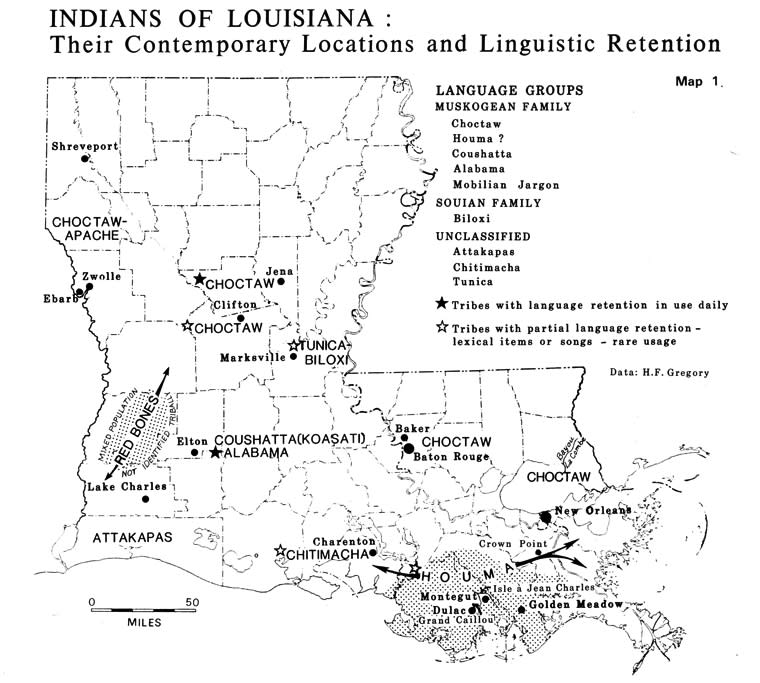
The Tunica-Biloxi Tribe of Louisiana represents a powerful testament to resilience, cultural preservation, and self-determination. Located in the heart of Avoyelles Parish, near Marksville, their reservation is not merely a geographic location but a vibrant center of indigenous heritage, economic innovation, and community strength.
For centuries, the ancestors of the Tunica-Biloxi Tribe thrived along the Mississippi River Valley, navigating complex social, political, and environmental landscapes. Their story is a rich tapestry woven from the histories of several distinct groups: the Tunica, Biloxi, Ofo, and Avoyel, alongside smaller remnants of other southeastern tribes, including Choctaw descent.
These indigenous peoples were skilled traders, farmers, and artisans, establishing sophisticated societies long before European contact. Their deep connection to the land and intricate social structures laid the foundation for the enduring identity that defines the tribe today.
The arrival of European colonizers in the 17th and 18th centuries brought profound changes. French, Spanish, and later American expansion led to displacement, disease, and immense pressure on tribal lands and ways of life. Despite these overwhelming challenges, the various groups demonstrated remarkable adaptability and a steadfast commitment to their cultural survival.
Over generations, these distinct tribal remnants coalesced, finding common ground and strength in unity. They strategically navigated colonial powers, often relocating to protect their people and preserve their traditions, eventually settling in the central Louisiana region that would become their ancestral home.
A pivotal moment in the tribe’s modern history was the arduous but ultimately successful pursuit of federal recognition. This process, which concluded in 1981, formally acknowledged the Tunica-Biloxi as a sovereign nation with a government-to-government relationship with the United States.

Federal recognition was not merely a symbolic gesture; it was a monumental achievement that restored inherent sovereignty, affirmed their rights, and opened avenues for self-governance and access to vital federal programs. It marked a new era of self-determination for the Tunica-Biloxi people.
Today, the Tunica-Biloxi Tribe’s reservation covers significant acreage in Marksville, Louisiana, serving as the administrative, cultural, and economic hub for the tribal nation. This land is sacred, representing generations of history, struggle, and triumph.
The tribal government, led by the Tunica-Biloxi Tribal Council, is responsible for the welfare and advancement of its members. This democratically elected body oversees all aspects of tribal life, from economic development and education to healthcare and cultural preservation.
One of the most remarkable aspects of the Tunica-Biloxi Tribe is their unwavering dedication to preserving their vibrant cultural heritage. Despite historical attempts at assimilation, the tribe has actively worked to revitalize and celebrate its unique traditions.
A cornerstone of this effort is the preservation of the Tunica language. Once considered critically endangered, the tribe has invested significantly in linguistic revitalization programs, teaching the language to younger generations through classes, resources, and cultural events. This commitment ensures that the voices of their ancestors continue to echo through time.
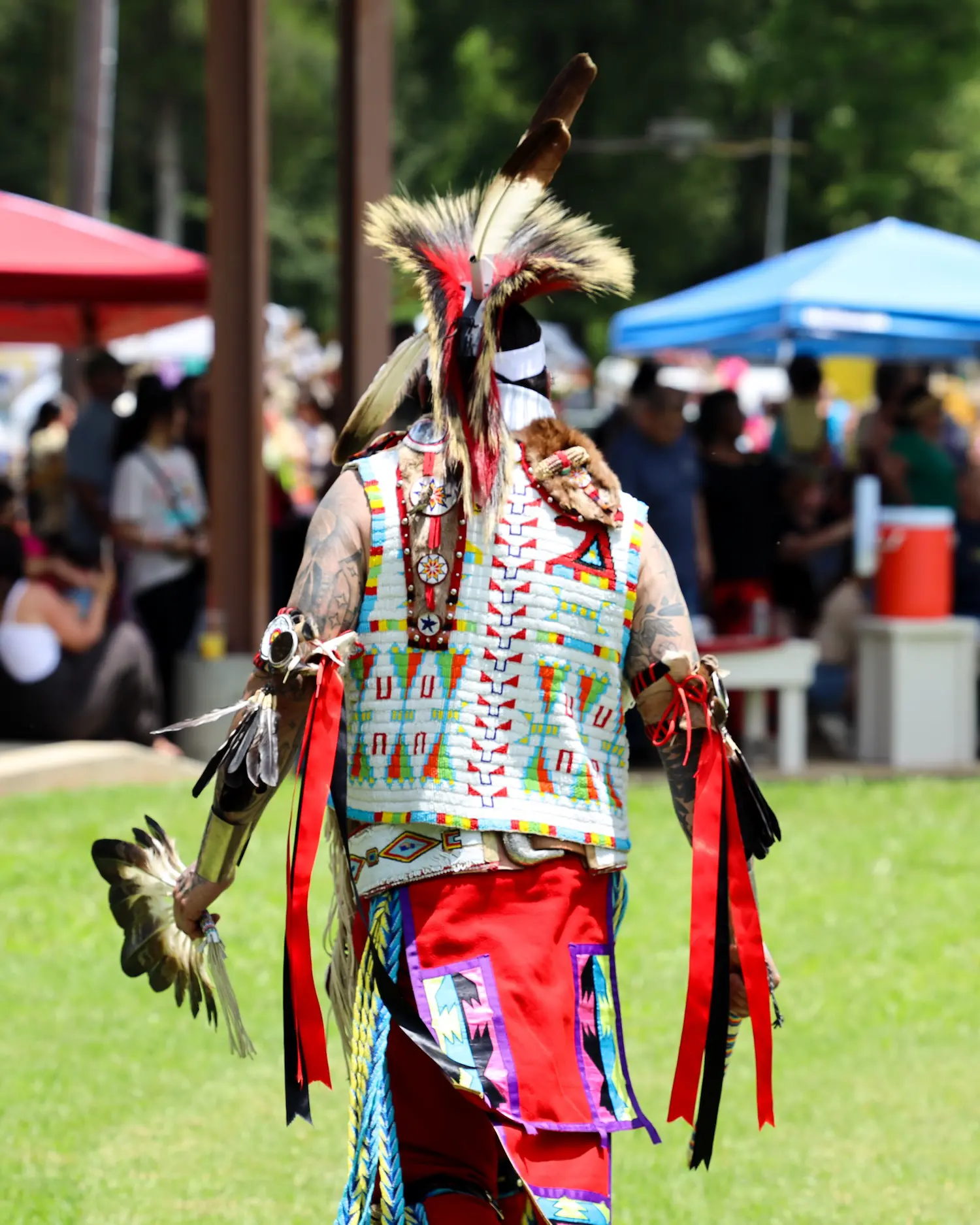
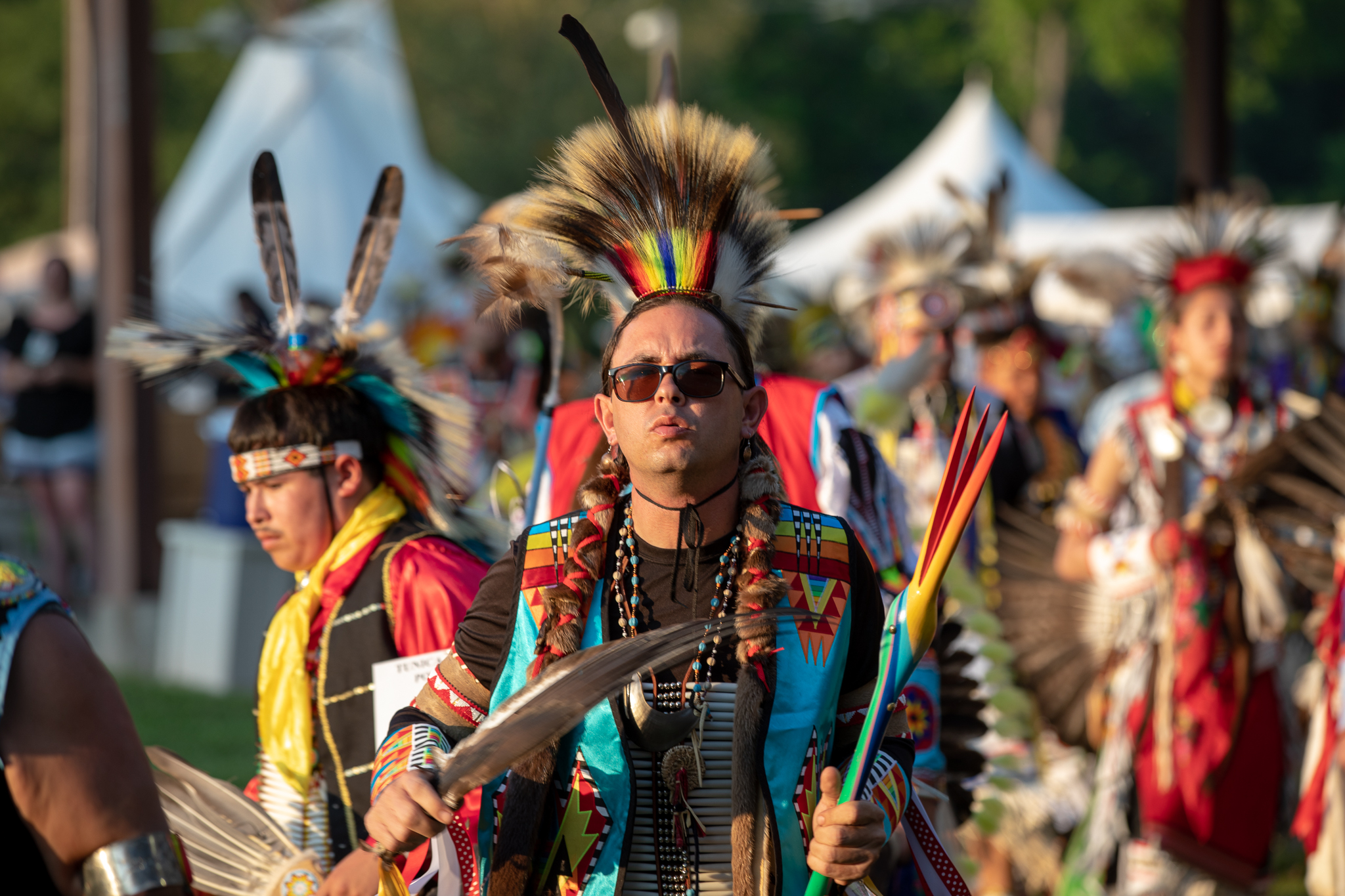
Traditional arts and crafts also play a vital role in cultural continuity. Skilled tribal members continue ancient practices such as basket weaving, pottery, beadwork, and intricate regalia creation, passing these valuable skills down through apprenticeships and workshops.
Beyond artifacts, the museum and the tribe’s Cultural Resources Department actively engage in educational outreach, sharing the tribe’s story with the wider public and ensuring that the rich history of the Tunica-Biloxi is accurately represented and understood.
In terms of economic development, the Tunica-Biloxi Tribe has emerged as a significant force in Louisiana. Their most prominent enterprise is the Paragon Casino Resort, which opened in 1994 and transformed the economic landscape of both the tribe and the surrounding Avoyelles Parish.
The Paragon Casino Resort is more than just a gaming facility; it is a comprehensive entertainment destination featuring a hotel, convention center, golf course, spa, and various dining options. It stands as a powerful symbol of tribal self-sufficiency and economic empowerment.

The success of tribal enterprises like Paragon has allowed the Tunica-Biloxi Tribe to reinvest substantially in their community. These revenues fund essential services and programs that benefit tribal members, fostering a high quality of life on the reservation.
These investments include comprehensive healthcare services, educational scholarships for tribal youth, housing initiatives, elder care programs, and infrastructure improvements. The tribe’s commitment to its members’ well-being is evident in every facet of its operations.
Moreover, the Paragon Casino Resort is a major employer in central Louisiana, providing thousands of jobs for both tribal members and non-members, significantly contributing to the local and state economies. This economic impact extends far beyond the reservation borders.
Looking to the future, the Tunica-Biloxi Tribe continues to navigate modern challenges while remaining rooted in its ancient traditions. They face ongoing efforts to balance economic growth with environmental stewardship and cultural preservation.
Engaging younger generations in tribal governance, cultural practices, and economic development is a constant priority, ensuring that the legacy and leadership of the Tunica-Biloxi endure for centuries to come.
The Tunica-Biloxi Tribe of Louisiana Reservation stands as a vibrant example of indigenous resilience, cultural richness, and progressive leadership. From their ancient roots in the Mississippi River Valley to their modern status as a sovereign and economically dynamic nation, their story is one of enduring spirit and profound contribution to the cultural mosaic of Louisiana and the United States.
Their journey underscores the importance of federal recognition, the power of self-determination, and the unwavering commitment to preserving a unique heritage for future generations. The Tunica-Biloxi Tribe not only honors its past but actively shapes a prosperous and culturally rich future for its people.


