
Echoes of the Sacred Drum: The Enduring History of the Plains Sun Dance
Few ceremonies encapsulate the profound spiritual resilience and cultural depth of Indigenous peoples like the Sun Dance of the North American Plains tribes. More than just a ritual, it is a sacred covenant, a deep prayer for the well-being of all creation, and a powerful demonstration of personal and communal sacrifice. Its history is a testament to the enduring spirit of nations who faced relentless persecution, yet held steadfast to their most cherished traditions. From ancient origins to periods of forced suppression and a triumphant modern resurgence, the Sun Dance’s journey reflects the broader struggle and survival of Native American identity.
At its core, the Sun Dance (known by various names such as Lakota: Wiwangyang Wacipi, Cheyenne: Nihka-xamaahk-heitana) is an annual summer ceremony observed by numerous Plains tribes, including the Lakota, Cheyenne, Arapaho, Crow, Blackfoot, and others. While specific practices and mythologies vary significantly from nation to nation, common themes bind them: renewal, healing, prayer, communal solidarity, and a profound connection to the land and the spirit world. It is a time for individuals to offer personal sacrifice for the good of their family, their community, and all living things, seeking visions, guidance, and spiritual power.
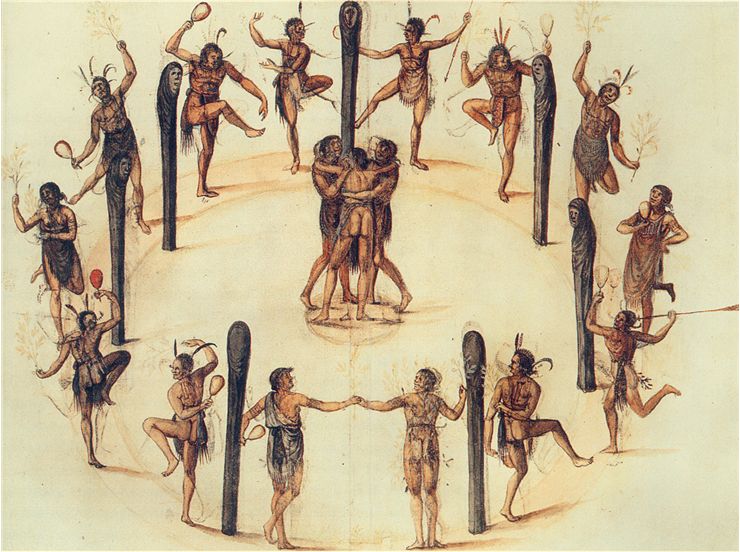
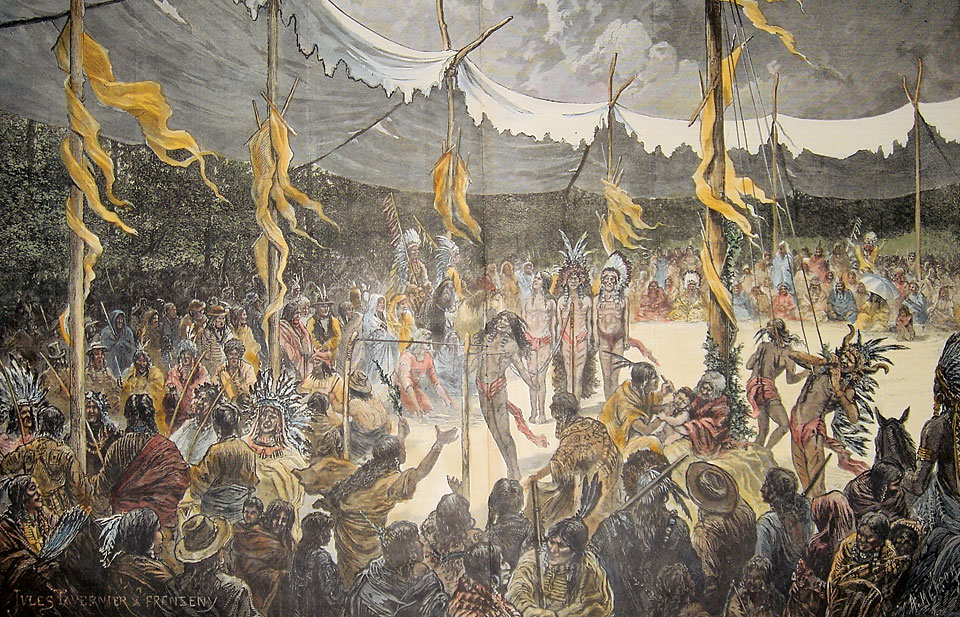
The ceremony typically unfolds over several days, often preceded by weeks of preparation. A central element is the construction of a circular lodge, symbolizing the hoop of the world, with a sacred central pole often representing the Tree of Life or the Axis Mundi, connecting heaven and earth. This pole, usually a cottonwood tree, is carefully selected, cut, and erected with great reverence, its base often adorned with offerings and a buffalo skull – a potent symbol of sustenance and sacrifice for the Plains peoples. Around this central point, dancers, often having fasted from food and water for days, engage in continuous movement, singing, and drumming, often blowing on eagle bone whistles.
The most recognized and, for outsiders, often misunderstood aspect of the Sun Dance is the physical sacrifice, particularly the piercing. Dancers, predominantly men but sometimes women, offer flesh from their chest or back, which is then attached to the central pole or buffalo skulls by rawhide thongs. They dance until the skin tears free, releasing them from their vows. This is not, as often misconstrued by colonial observers, an act of self-mutilation or torture, but a deeply spiritual offering – a prayer made flesh. "We dance so the world can live," is a common sentiment among participants. As one Lakota Elder explained, "It is a time when we offer our very selves for the well-being of all creation, a testament to our connection to the Great Mystery and our responsibility to the next generation." The pain is transformed into a profound spiritual experience, a direct conduit for prayer and vision.
The historical roots of the Sun Dance stretch back centuries, predating European contact. It was a vital component of Plains life, a focal point for spiritual rejuvenation and community cohesion. Archeological evidence and oral traditions suggest its practice evolved over time, adapting to the changing social and ecological landscapes of the Plains. Before the reservation era, it was often held in conjunction with the annual buffalo hunt, a time of plenty and communal gathering. The ceremony served to reaffirm tribal identity, pass on cultural knowledge, and prepare individuals for the challenges of the coming year. It was a sacred rhythm woven into the very fabric of existence.

However, the arrival of European settlers brought devastating changes. As the buffalo herds were decimated and tribes were forcibly confined to reservations, the US government embarked on a concerted effort to dismantle Native American cultures, viewing traditional practices as "savage" and impediments to "civilization." The Sun Dance, with its powerful visual of sacrifice and its deep spiritual resonance, became a primary target. In 1883, the US Secretary of the Interior, with the support of the Bureau of Indian Affairs (BIA), issued a "Religious Crimes Code" that effectively outlawed traditional Native American ceremonies, including the Sun Dance.
This period, stretching for nearly a century, marked a dark chapter of cultural suppression. Native religious leaders faced arrest, imprisonment, and the confiscation of sacred items. Children were sent to boarding schools, where they were forbidden to speak their native languages or practice their traditions. Despite these draconian measures, the Sun Dance did not die. It went underground. Elders and spiritual leaders, at great personal risk, continued to practice the ceremony in secret, often in remote locations, passing on the knowledge to a select few. This clandestine continuation was an act of profound courage and resistance, a testament to the unyielding spiritual conviction of the Plains peoples. It was during these difficult times that the true resilience of the Sun Dance was forged, becoming a symbol of enduring cultural identity against overwhelming odds.
The tide began to turn in the mid-20th century, spurred by a growing awareness of civil rights and Indigenous sovereignty movements. The passage of the American Indian Religious Freedom Act (AIRFA) in 1978 was a landmark moment, formally acknowledging and protecting the rights of Native Americans to practice their traditional religions. This act, while imperfect and often requiring ongoing legal battles to enforce, opened the door for the public resurgence of ceremonies like the Sun Dance.
With the legal barriers lifted, tribes across the Plains began to openly revive and reclaim the Sun Dance. Elders who had preserved the knowledge in secret now had the freedom to teach openly. Communities came together to rebuild lodges, relearn songs, and re-establish the protocols that had been meticulously maintained despite decades of persecution. This revitalization was not merely a return to old ways, but a powerful act of healing and cultural reaffirmation. "The Sun Dance is not just history; it is alive," affirmed a contemporary Cheyenne Sun Dance chief. "It is how we heal, how we connect with our ancestors, and how we pray for our future generations."
Today, the Sun Dance continues to thrive, though it remains a deeply sacred and often private ceremony, not meant for public spectacle. Variations exist among tribes, reflecting distinct cultural nuances and spiritual paths. Some tribes practice piercing, while others do not; the duration, specific songs, and ceremonial items can differ. What remains constant, however, is the profound spiritual purpose: to pray for the well-being of the earth and its inhabitants, to seek guidance, to heal, and to strengthen communal bonds.
The Sun Dance stands as a powerful symbol of Indigenous resilience, a living testament to the strength of cultural identity in the face of adversity. Its history is a narrative not just of persecution, but of enduring faith, adaptation, and eventual triumph. It reminds us that culture is not static; it is a living, breathing entity that adapts, persists, and continually renews itself. For the Plains tribes, the echoes of the sacred drum continue to resonate, calling their people together, year after year, to pray, to sacrifice, and to ensure that the world lives on.