
The Sacred Rhythm of Renewal: Unearthing the Enduring Legacy of the Green Corn Ceremony
As the long days of summer ripen the fields and the sun beats down on the verdant landscapes of the American Southeast, an ancient rhythm stirs. For centuries, the Indigenous peoples of this region – the Muscogee (Creek), Cherokee, Choctaw, Chickasaw, Seminole, Yuchi, and many others – have marked this pivotal time with a ceremony of profound spiritual and communal significance: the Green Corn Ceremony, known in some traditions as Busk or Posketv. Far more than a mere harvest festival, the Green Corn Ceremony is a holistic annual renewal, a period of purification, forgiveness, thanksgiving, and a spiritual re-setting of the calendar year.
The term "Busk" itself, derived from the Muscogee word Boskita (meaning "to fast"), hints at the ceremony’s deep roots in spiritual discipline and preparation. It is a testament to the enduring wisdom and resilience of these cultures, a vibrant tradition that has weathered centuries of profound change, displacement, and attempts at suppression. To understand the Green Corn Ceremony is to glimpse into the very heart of Southeastern Indigenous identity, a complex tapestry woven with threads of agriculture, spirituality, community law, and an unwavering connection to the land.
Ancient Roots and Agricultural Foundations
The origins of the Green Corn Ceremony are lost in the mists of prehistory, predating European contact by millennia. Its existence is inextricably linked to the agricultural revolution that saw the domestication of maize (corn), beans, and squash – the "Three Sisters" – which formed the bedrock of sustenance for these societies. Corn, in particular, was revered as a sacred gift, often personified as a life-giving mother. The first tender ears of green corn signaled not just a successful harvest but the very continuation of life itself.
Archaeological evidence points to highly organized agricultural societies flourishing in the Southeast long before recorded history, and it is in this context that the Green Corn Ceremony likely evolved. It was a time to express gratitude to the Creator for the bounty of the earth, but also to reaffirm social cohesion and spiritual balance. As Dr. Robbie Ethridge, a prominent historian of the American South, notes, "The Green Corn Ceremony was the centerpiece of the annual ceremonial cycle for most Southeastern Indian groups. It was a time of thanksgiving, but also of spiritual purification and a reaffirmation of community."

A Ceremony of Comprehensive Renewal
While specific practices and terminology varied among the numerous tribes, the core elements and overarching philosophy of the Green Corn Ceremony shared remarkable consistency across the Southeast. Typically held in late summer, when the first corn was ripe but not yet fully hardened, the ceremony lasted several days, usually four or eight, symbolizing the cardinal directions and the balance of the universe.
The ceremony was a comprehensive overhaul of the community’s spiritual, social, and physical state. It began with intense preparation, often involving communal fasting, ritual cleansing, and the sweeping clean of homes and public spaces. Old fires were extinguished, symbolizing the shedding of the past year’s burdens and transgressions.
The New Fire: A Symbol of Purity and Rebirth
At the heart of the Green Corn Ceremony was the lighting of the New Fire. This sacred fire, often kindled by friction using traditional methods, was meticulously tended and considered the purest flame. It represented the sun, the Creator’s light, and the spiritual renewal of the community. From this central fire, all household fires in the village were rekindled, symbolizing a fresh start for every family. "The New Fire," as one elder from the Muscogee (Creek) Nation explained, "is not just a fire. It is life. It is the beginning again. All things are made new from it."
Forgiveness and Amnesty: Re-establishing Harmony
Perhaps one of the most distinctive and profound aspects of the Busk was the ritual of communal forgiveness and amnesty. During this sacred period, all grievances, disputes, and even most criminal offenses (with the notable exception of murder) were forgiven. Individuals who had committed wrongs were granted amnesty, allowing them to return to the community cleansed of their past transgressions. This practice underscored the paramount importance of communal harmony and the belief that the health of the individual was inextricably linked to the health of the collective. It was a practical application of restorative justice, designed to heal ruptures and ensure a fresh start for everyone. This aspect of the ceremony highlights a deeply embedded cultural value: the priority of social cohesion over individual retribution.
The Sacred Meal: First Fruits and Gratitude
Following the purification rituals and the rekindling of fires, the focus shifted to the "first fruits" of the harvest. The newly ripened green corn, specially prepared, was consumed in a communal feast. This was not merely a meal but a sacred act of thanksgiving to the Creator for the sustenance provided. It marked the formal end of the old year and the beginning of the new, with a renewed commitment to ethical living and gratitude. The first green corn was a promise kept by the earth, and the ceremony was the community’s solemn vow of appreciation.


Celebration and Community: Dances, Games, and Social Bonds
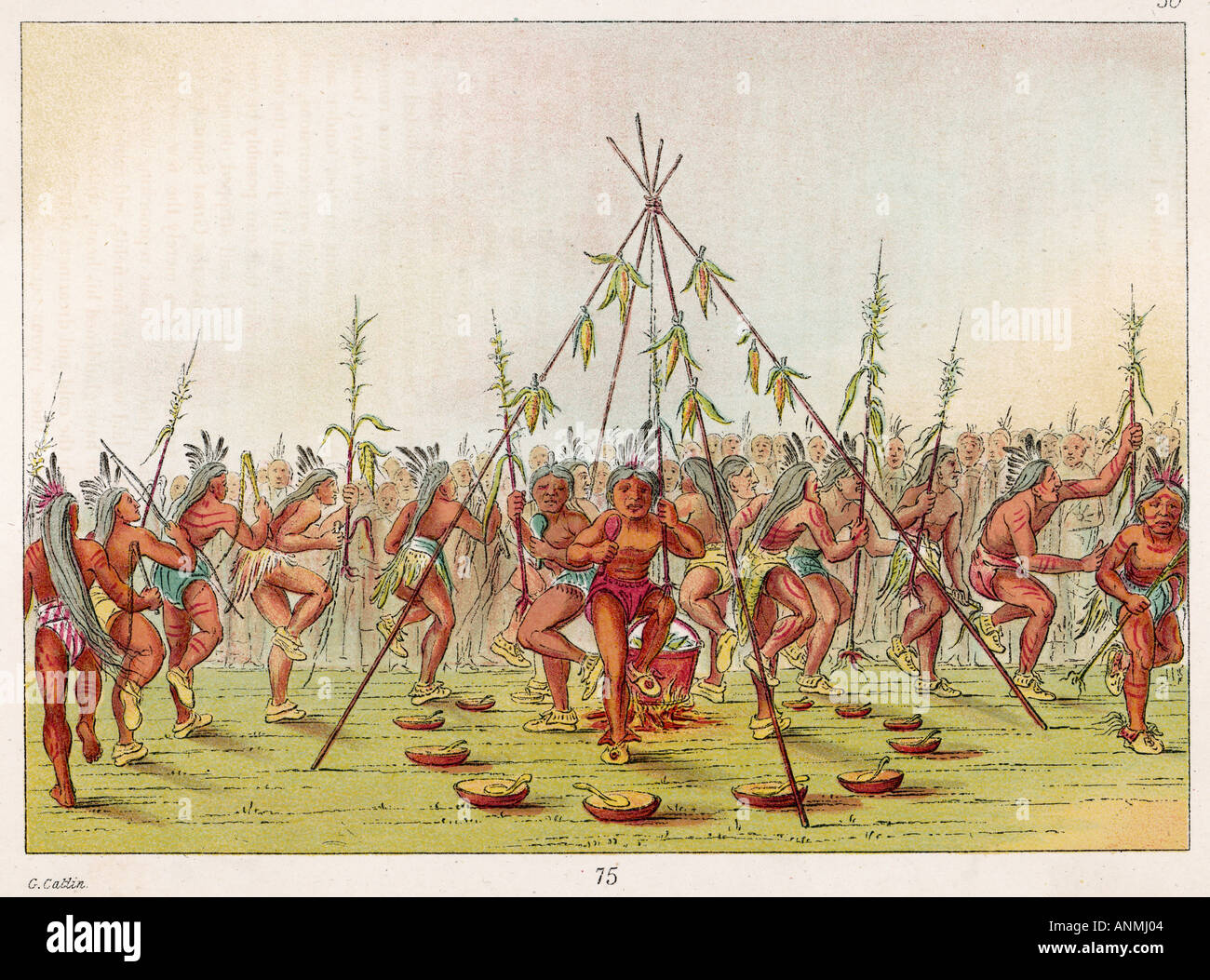
The solemnity of purification gave way to joyous celebration. Dances, such as the rhythmic Stomp Dance, were performed through the night, accompanied by shell shakers and powerful chants. These dances were not just entertainment; they were expressions of spiritual connection, communal solidarity, and a way to transmit cultural knowledge across generations.
Games, particularly the intense stickball game (often referred to as the "little brother of war" due to its physicality), played a significant role. These games, sometimes lasting for days, were not only competitive sports but also had spiritual dimensions, often preceded by ritual preparation and played with immense fervor. They served to strengthen physical prowess, foster inter-village relations (both competitive and cooperative), and release pent-up energy in a structured way.
Throughout the ceremony, roles were clearly defined. Women, as the primary cultivators of corn and the hearth keepers, played a central role in preparing the sacred foods and maintaining the domestic fires. Men participated in the ceremonial aspects, stickball games, and community governance discussions. Elders served as knowledge keepers, guiding the rituals and imparting wisdom. Children observed and learned, absorbing the traditions that would shape their identities.
Deeper Meanings and Enduring Philosophy
The Green Corn Ceremony embodies a profound philosophical worldview. It is a powerful affirmation of:
- Cyclical Time: Unlike a linear progression, time is seen as cyclical, with annual renewals and opportunities for fresh starts.
- Interconnectedness: It emphasizes the deep connection between humans, the natural world, and the spiritual realm. The health of one is dependent on the health of all.
- Community over Individual: The ceremony prioritizes the well-being and harmony of the collective, demonstrating that individual peace is found within a peaceful community.
- Gratitude and Reciprocity: It instills a deep sense of gratitude for the earth’s bounty and a commitment to living in a reciprocal relationship with the natural world.
- Balance and Harmony: Through purification, forgiveness, and celebration, the ceremony sought to restore balance within individuals, within the community, and between humanity and the cosmos.
Resilience in the Face of Adversity
The history of Southeastern Indigenous peoples is marked by immense challenges, including forced removal, land loss, disease, and relentless attempts at cultural assimilation. The infamous Trail of Tears, which forcibly relocated thousands of Cherokee, Muscogee, Choctaw, Chickasaw, and Seminole people to Indian Territory (present-day Oklahoma) in the 1830s, profoundly disrupted traditional lifeways. Yet, even in the face of such trauma, the Green Corn Ceremony endured.
It became a powerful symbol of cultural resistance and survival. Often practiced in secret or adapted to new environments, the ceremony provided a vital link to ancestral traditions and a source of strength and identity for communities struggling to maintain their distinct cultures. The very act of observing the Busk reaffirmed their sovereignty and their unique relationship to the land and the Creator, even when their physical connection to their homelands was severed.
The Green Corn Ceremony Today: A Living Tradition
Today, the Green Corn Ceremony continues to be a vibrant and essential part of cultural life for many Southeastern tribes, both in their original homelands and in Oklahoma. While some specific practices may have evolved, the core principles of renewal, forgiveness, gratitude, and community remain steadfast.
In communities across the Muscogee (Creek) Nation, Cherokee Nation, Choctaw Nation, and others, annual Busk grounds come alive each summer. Elders teach the next generation the dances, the songs, the protocols, and the profound meaning of each ritual. These ceremonies are not static relics of the past but living, evolving traditions that connect contemporary Indigenous peoples to their ancestors and reinforce their cultural identity in the modern world. They are powerful affirmations of continuity, resilience, and the enduring spirit of their nations.
As the world grapples with issues of environmental degradation, social fragmentation, and spiritual malaise, the ancient wisdom embedded in the Green Corn Ceremony offers timeless lessons. It reminds us of the importance of living in harmony with nature, of the healing power of forgiveness, and the fundamental human need for community and gratitude. The Green Corn Ceremony stands as a testament to the profound spiritual depth and enduring strength of the Southeastern Indigenous peoples, a sacred rhythm of renewal that continues to beat vibrantly in the heart of their cultures.


