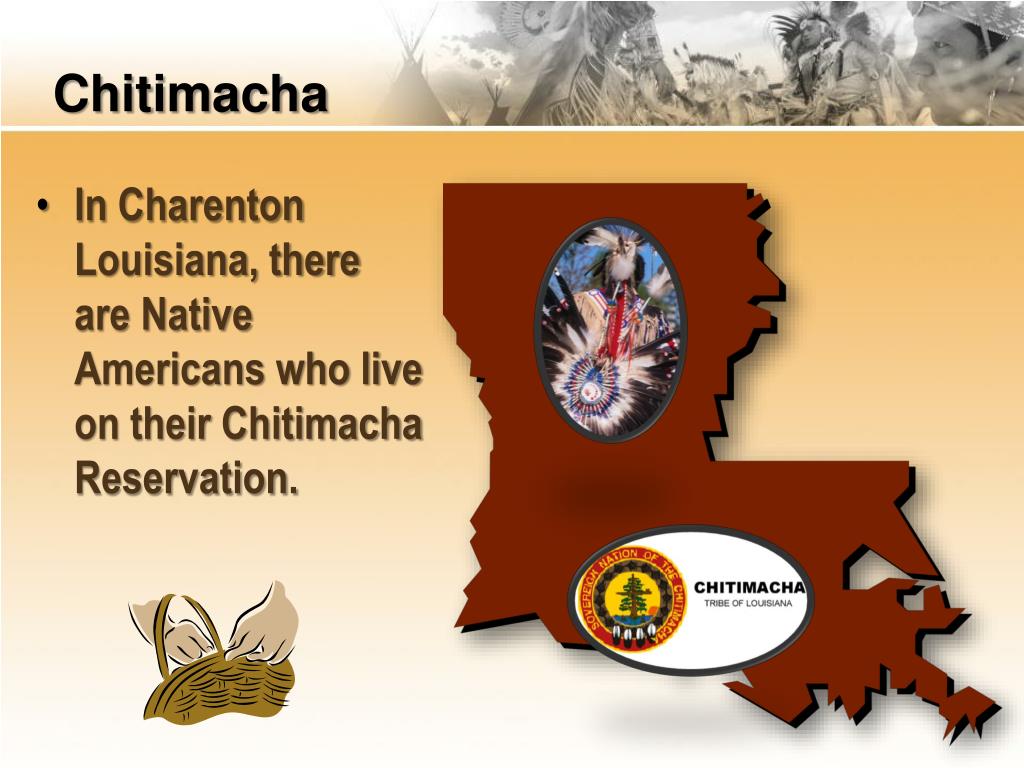

The Chitimacha Tribe of Louisiana holds a unique and profoundly significant place in the history and cultural tapestry of the American South. As the only federally recognized tribe whose ancestral lands are entirely within the state of Louisiana, their story is one of remarkable resilience, deep cultural roots, and an unwavering commitment to self-preservation amidst centuries of change.
Nestled in St. Mary Parish, along the banks of the Grand Bayou, the Chitimacha Reservation is more than just a geographic location; it is the beating heart of a sovereign nation, a testament to enduring heritage, and a vibrant community actively shaping its future.
For those interested in Native American history, cultural preservation, or the fascinating narrative of Indigenous peoples in the United States, understanding the Chitimacha Tribe offers invaluable insights into the complexities of identity, sovereignty, and survival.
A Legacy Forged in Louisiana’s Swamps and Bayous
Long before European contact, the Chitimacha people thrived across a vast territory spanning much of south Louisiana. Their sophisticated society was adept at utilizing the rich resources of the region’s bayous, swamps, and coastal plains, developing complex social structures, intricate trade networks, and a deep spiritual connection to their environment.
Their pre-colonial history is marked by a highly developed culture, evidenced by advanced basket weaving techniques, pottery, and a distinct language, Sitimaxa, which stands apart from neighboring Muskogean and Caddoan language families.
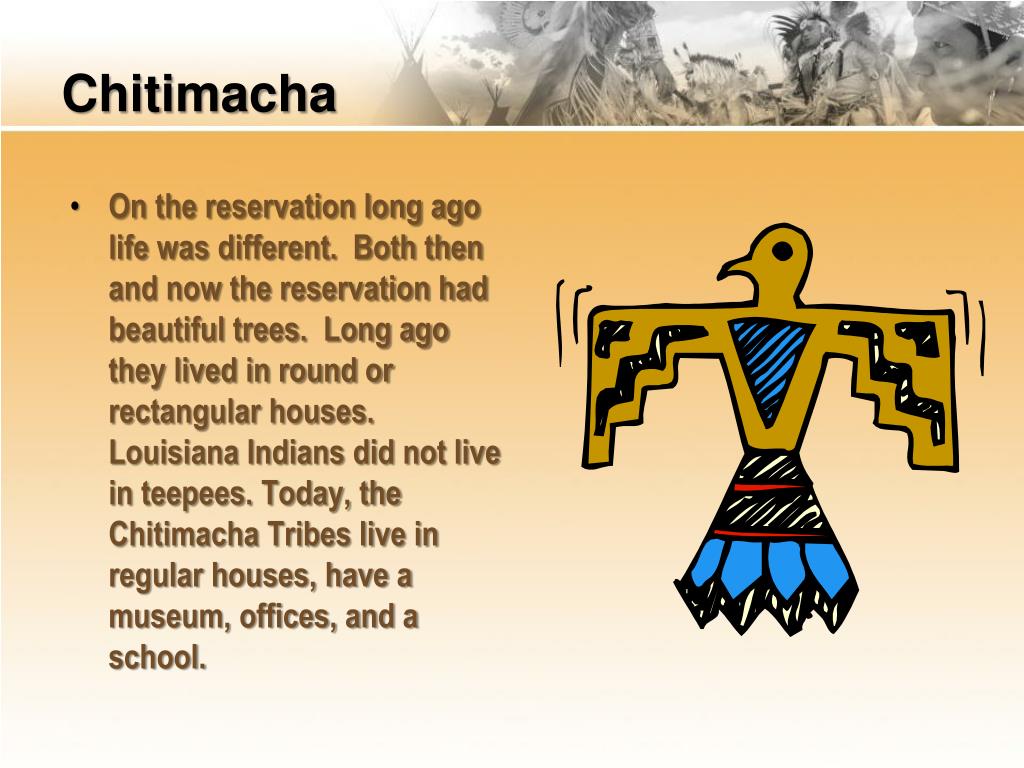
The arrival of European explorers, particularly the French in the late 17th and early 18th centuries, dramatically altered the trajectory of the Chitimacha. What followed was a period of intense conflict, disease, and immense pressure on their lands and way of life.
Despite devastating losses and relentless external pressures, the Chitimacha refused to be eradicated. They demonstrated extraordinary resilience, adapting, consolidating, and strategically navigating the shifting political landscapes under French, Spanish, and ultimately, American rule.
This period saw significant land cessions, forced relocations, and attempts at cultural assimilation. Yet, the core of Chitimacha identity persisted, often in quiet defiance and through the strength of their familial and communal bonds.
The Chitimacha Reservation: A Home Reclaimed
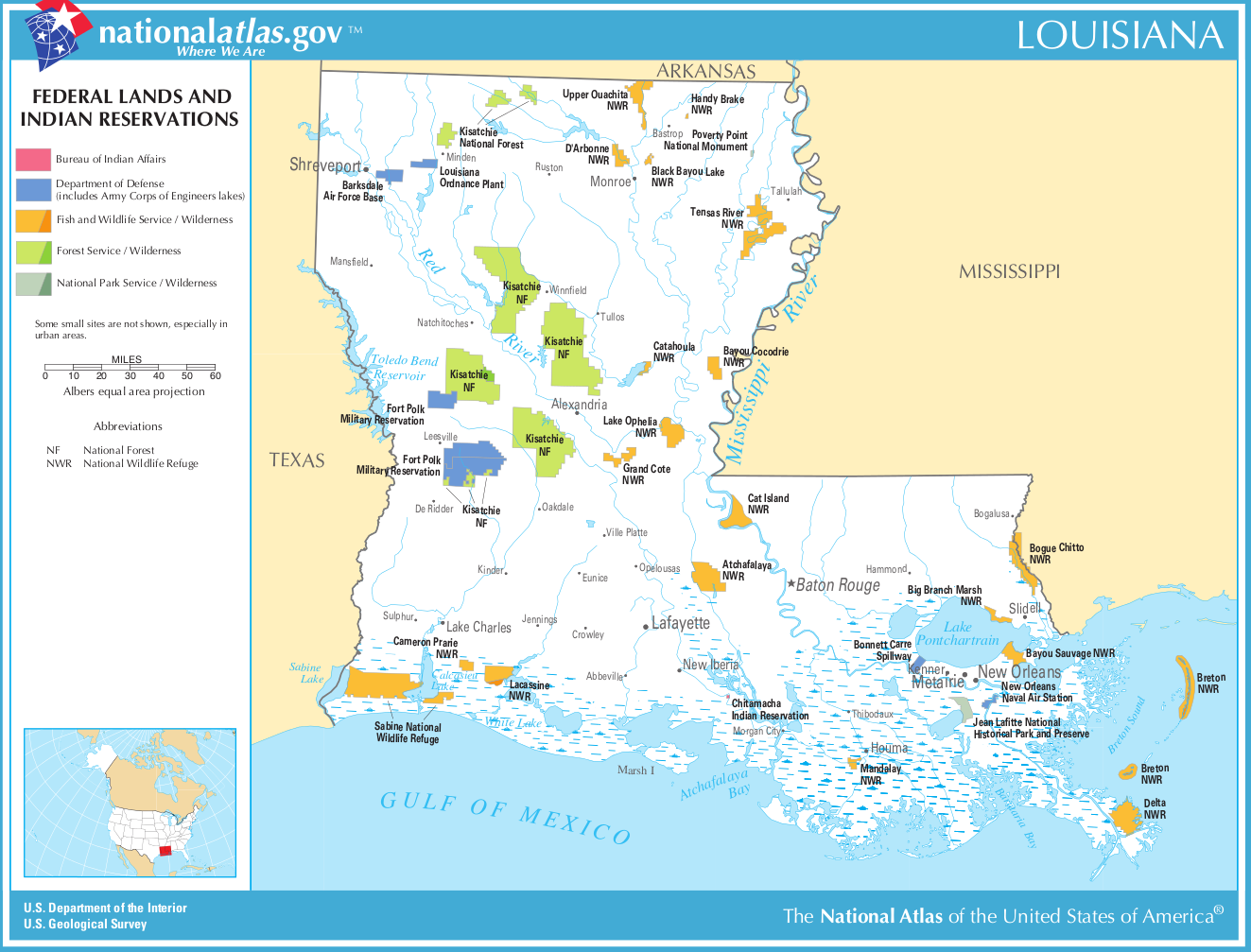
The Chitimacha Indian Reservation, established in 1871, is a crucial symbol of the tribe’s enduring sovereignty. Located near Charenton in St. Mary Parish, it represents a small but vital portion of their ancestral domain, painstakingly held onto through generations.
The establishment of the reservation was a hard-won victory, a recognition of their distinct status, and a foundation upon which the modern Chitimacha Nation would be rebuilt. It provided a protected space for cultural continuity and self-governance.
Today, the reservation spans approximately 280 acres, serving as the administrative, cultural, and residential hub for the Chitimacha people. It is here that the tribal government operates, essential services are provided, and cultural traditions are actively practiced and taught to younger generations.
Preserving a Rich Heritage: Culture and Language
At the heart of Chitimacha identity is their unique culture, meticulously preserved and actively revitalized. The Chitimacha language, Sitimaxa, is a paramount example of this dedication. Once considered dormant, incredible efforts have been made to bring it back from the brink.

Through language immersion programs, digital resources, and dedicated elders and linguists, Sitimaxa is being taught to children and adults, ensuring that future generations can connect directly with the voices of their ancestors. This revitalization is a powerful act of cultural sovereignty.
Traditional arts and crafts remain vibrant within the community. The Chitimacha are renowned for their exquisite single-cane and double-weave baskets, considered among the finest examples of Native American basketry. These intricate creations are not merely decorative; they embody centuries of skill, knowledge, and cultural narratives.
Ceremonies, storytelling, and community gatherings also play a vital role in transmitting cultural knowledge. These events reinforce communal bonds, teach tribal history, and ensure that the Chitimacha worldview continues to inform contemporary life.
Economic Development and Self-Sufficiency
In the late 20th century, like many Native American tribes, the Chitimacha recognized the potential of economic development as a means to achieve greater self-sufficiency and fund essential tribal services. This led to the establishment of the Cypress Bayou Casino Hotel.
The Cypress Bayou Casino Hotel, located on the reservation, is a significant economic engine for the tribe. It provides employment opportunities for tribal members and the surrounding community, generating revenue that directly supports governmental operations, healthcare, education, and cultural programs.
Beyond gaming, the tribe has diversified its economic portfolio, engaging in various ventures to ensure long-term stability and growth. This strategic approach to economic development underscores their commitment to providing for their people and exercising their inherent right to self-determination.
Governance and Tribal Sovereignty
The Chitimacha Tribe operates as a sovereign nation with its own distinct governmental structure. The Tribal Council, elected by tribal members, is responsible for governing the reservation, managing tribal affairs, and representing the interests of the Chitimacha people.
Federal recognition, achieved in 1911, was a pivotal moment, affirming their status as a distinct political entity with inherent sovereign rights. This recognition allows the tribe to deal directly with the federal government on a nation-to-nation basis, rather than being subject solely to state jurisdiction.
This self-governance empowers the Chitimacha to develop their own laws, manage their resources, and provide essential services to their members, including education, housing, and healthcare, tailored to their community’s unique needs.
Modern Chitimacha: Education, Health, and Community
The Chitimacha Tribe is deeply invested in the well-being and future of its members. Education is a high priority, with programs supporting tribal youth from early childhood through higher education. Efforts include cultural education alongside mainstream academic pursuits, ensuring a strong connection to heritage.
Healthcare services are provided to tribal members, often through partnerships and tribal-run clinics, addressing both physical and mental health needs within the community. This holistic approach reflects a commitment to the overall health of the nation.
Community programs foster a strong sense of belonging and support, catering to elders, youth, and families. Cultural events, festivals, and gatherings are regularly held, reinforcing traditions and celebrating Chitimacha identity.
Visiting the Chitimacha Lands
For those interested in learning more, the Chitimacha Cultural Center and Museum, located on the reservation, offers a fascinating glimpse into the tribe’s history, culture, and achievements. Visitors can explore exhibits showcasing traditional artifacts, learn about the language, and understand the tribe’s journey.
Engaging with the Chitimacha, whether through their museum or by supporting their economic enterprises, offers an opportunity to respectfully acknowledge and appreciate the living culture of Indigenous Louisiana. Visitors are encouraged to be respectful of tribal sovereignty and cultural practices.
Challenges and Future Aspirations
Like many coastal communities in Louisiana, the Chitimacha face significant environmental challenges, including coastal erosion and the impacts of climate change on their ancestral lands and traditional resources. The tribe actively engages in conservation efforts and advocates for policies to protect their delicate ecosystem.
Looking forward, the Chitimacha Tribe remains committed to balancing traditional values with modern progress. Their aspirations include continued language revitalization, sustainable economic growth, and the ongoing empowerment of their people, ensuring a vibrant and self-sufficient future.
Conclusion
The Chitimacha Tribe of Louisiana Reservation stands as a powerful symbol of endurance, cultural richness, and self-determination. From their ancient roots in the bayous to their modern achievements in economic development and cultural revitalization, the Chitimacha narrative is one of unwavering strength.
Their story is a vital chapter in the broader tapestry of American history, reminding us of the profound contributions and ongoing presence of Indigenous peoples. The Chitimacha continue to thrive, guardians of their heritage and architects of their own future, deeply rooted in the unique landscape of Louisiana.
Understanding the Chitimacha is not just about appreciating history; it’s about recognizing a living, dynamic sovereign nation that continues to shape its destiny with dignity and resilience.


