
Indian reservations represent a unique economic landscape within the United States. Often characterized by limited access to capital and infrastructure, these areas also possess untapped potential and a rich cultural heritage that can fuel entrepreneurial endeavors. Small businesses on Indian reservations are not just economic engines; they are vital components of community development, cultural preservation, and self-determination.
This article delves into the intricacies of small business development on Indian reservations, exploring the challenges, opportunities, available resources, and the overall impact these businesses have on tribal communities. We will address key questions and provide insights for aspiring entrepreneurs, policymakers, and anyone interested in fostering economic growth in these unique regions.
Understanding the Landscape
The Economic Context of Indian Reservations
Historically, Indian reservations have faced significant economic disadvantages due to various factors, including historical injustices, geographical isolation, and limited access to resources. This has resulted in high unemployment rates, lower income levels, and a lack of economic diversification. However, in recent years, there has been a growing movement towards self-sufficiency and economic development driven by tribal governments and individual entrepreneurs.
Small businesses play a crucial role in this transformation by creating jobs, generating income, and providing essential goods and services within the community. They also serve as a platform for preserving and promoting cultural traditions, arts, and crafts.
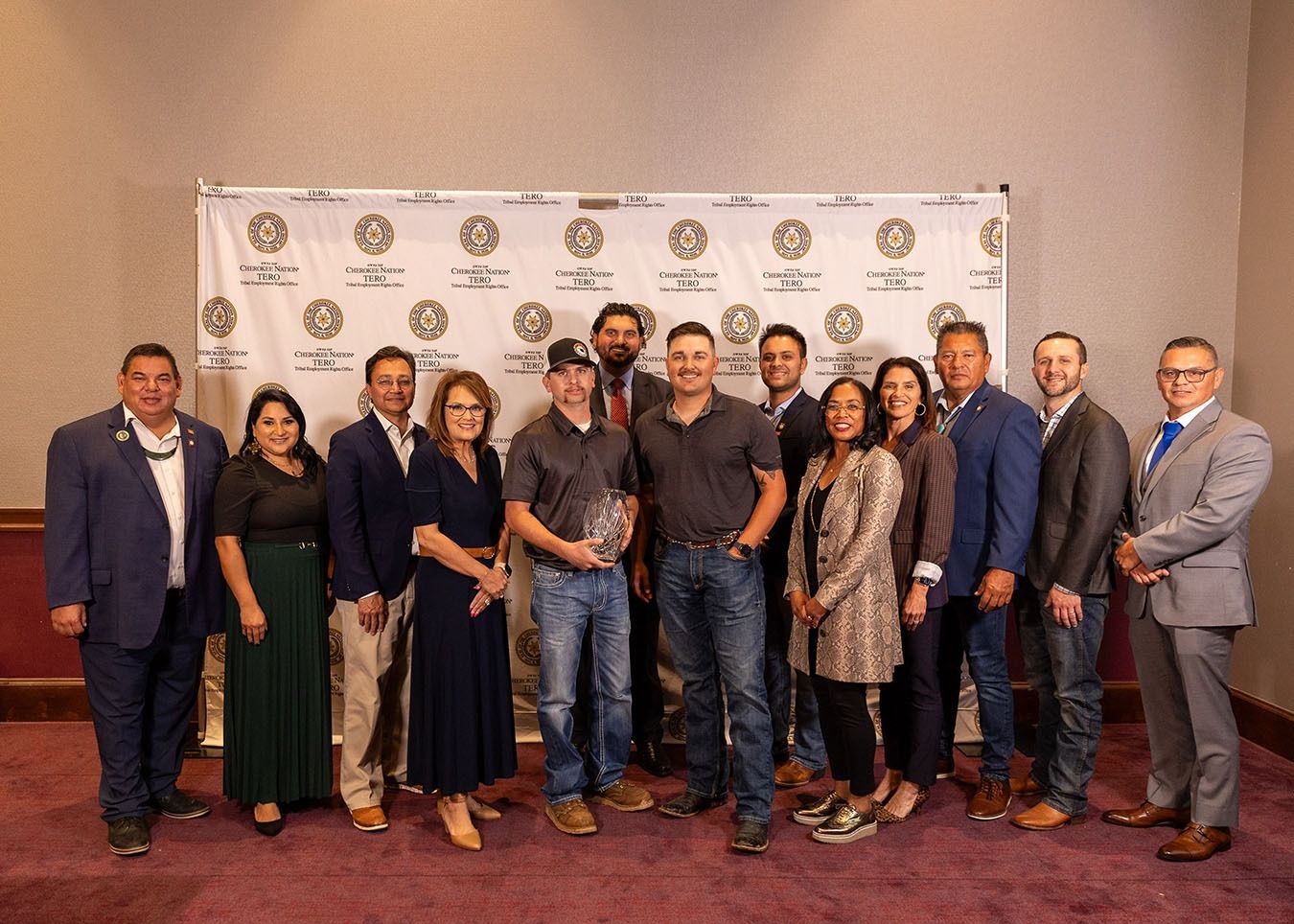
The Role of Tribal Governments
- Establishing business-friendly policies: Creating a regulatory environment that encourages entrepreneurship and investment.
- Providing financial assistance: Offering grants, loans, and other forms of financial support to small businesses.
- Investing in infrastructure: Improving roads, utilities, and communication networks to support business operations.
- Promoting tourism: Developing tourism infrastructure and marketing strategies to attract visitors and generate revenue.
Common Challenges Faced by Small Businesses
- Access to Capital: Securing funding from banks and other financial institutions can be difficult due to a lack of collateral and credit history.
- Infrastructure Deficiencies: Limited access to reliable transportation, utilities, and internet connectivity can hinder business operations.
- Regulatory Hurdles: Navigating tribal, state, and federal regulations can be complex and time-consuming.
- Workforce Development: Finding and training a skilled workforce can be a challenge in some areas.
- Market Access: Reaching customers outside the reservation can be difficult due to geographical isolation and limited marketing resources.
Opportunities for Entrepreneurs
Despite the challenges, Indian reservations offer a wealth of opportunities for entrepreneurs who are willing to be creative, resilient, and committed to serving their communities.
Leveraging Cultural Heritage
- Arts and Crafts Businesses: Creating and selling traditional Native American art, jewelry, pottery, and textiles.
- Cultural Tourism: Offering guided tours, cultural experiences, and educational programs that showcase Native American history and culture.
- Native American Cuisine: Opening restaurants and food businesses that feature traditional Native American dishes.
Addressing Local Needs
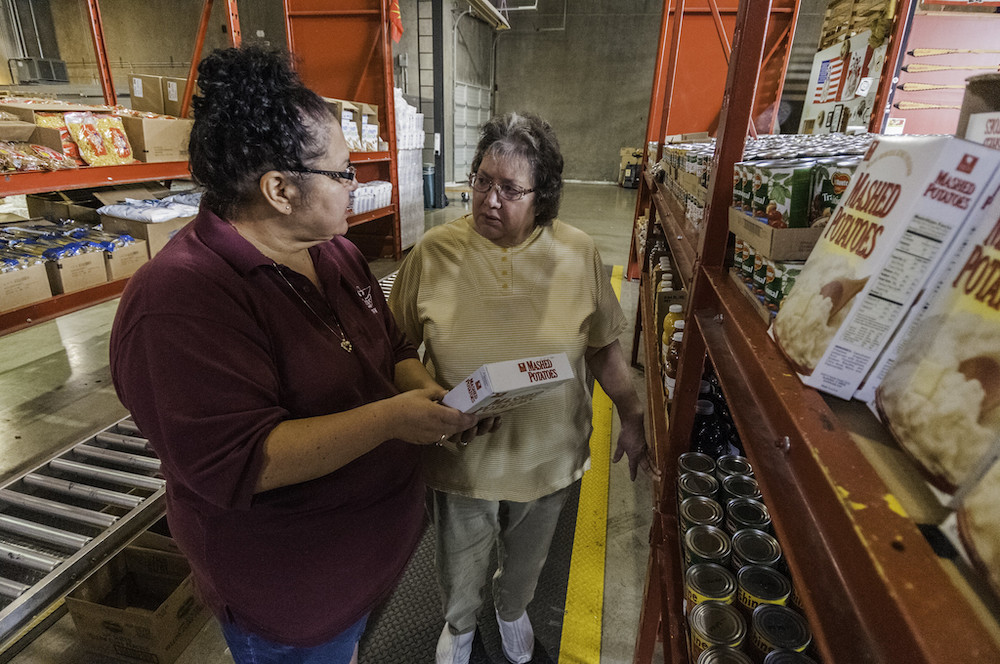
- Grocery Stores and Convenience Stores: Providing access to fresh and affordable food.
- Healthcare Services: Offering medical, dental, and mental health services.
- Childcare Services: Providing safe and affordable childcare options for working families.
- Construction and Home Repair Services: Building and repairing homes and other infrastructure.
Embracing Technology
- Sell products online: Creating e-commerce websites and selling products through online marketplaces.
- Offer online services: Providing consulting, training, and other services remotely.
- Use social media for marketing: Reaching potential customers through social media platforms.
Resources and Support for Small Businesses
A variety of resources and support programs are available to assist small businesses on Indian reservations.
Tribal Government Programs
- Business incubators: Providing office space, mentorship, and training to startups.
- Loan programs: Offering low-interest loans to small businesses.
- Grant programs: Providing grants to support specific projects or initiatives.
- Technical assistance: Providing training and consulting services on topics such as business planning, marketing, and financial management.
Federal Government Programs
- Small Business Administration (SBA): Providing loan guarantees, training, and counseling services.
- U.S. Department of Agriculture (USDA): Offering grants and loans for rural development projects.
- U.S. Department of Commerce: Providing grants and technical assistance to support economic development.
Non-Profit Organizations
- Native American Community Development Financial Institutions (CDFIs): Providing loans and financial services to Native American entrepreneurs.
- National Center for American Indian Enterprise Development (NCAIED): Providing training, consulting, and advocacy services.
- American Indian Business Leaders (AIBL): Providing leadership development and networking opportunities for Native American students and professionals.
Success Stories
Numerous small businesses on Indian reservations have achieved remarkable success, demonstrating the potential for economic growth and community development. These success stories serve as inspiration for aspiring entrepreneurs and highlight the importance of innovation, perseverance, and community support.
Example 1: A Native American Art Gallery
One example is a Native American art gallery that showcases the work of local artists and artisans. The gallery has become a popular tourist destination and has helped to promote Native American culture and traditions. The owner of the gallery has also used her business to support local schools and community organizations.
Example 2: A Native American-Owned Construction Company
Another example is a Native American-owned construction company that specializes in building homes and infrastructure on Indian reservations. The company has created jobs for local residents and has helped to improve the quality of life in the community. The owner of the company is committed to using sustainable building practices and to preserving the environment.
Addressing Common Questions (People Also Ask)
What are the biggest challenges for small businesses on Indian reservations?
The biggest challenges include access to capital, infrastructure deficiencies (reliable internet, transportation), navigating complex regulations, workforce development, and limited market access.
What resources are available to help Native American entrepreneurs?
Resources include tribal government programs (business incubators, loans, grants), federal programs (SBA, USDA), and non-profit organizations (Native American CDFIs, NCAIED, AIBL).
How can tribal governments support small business development?
Tribal governments can support small business development by establishing business-friendly policies, providing financial assistance, investing in infrastructure, and promoting tourism.
What types of businesses are most successful on Indian reservations?
Businesses that leverage cultural heritage (arts and crafts, cultural tourism, Native American cuisine), address local needs (grocery stores, healthcare, childcare), and embrace technology tend to be successful.
How can technology help small businesses on Indian reservations?
Technology can help by enabling online sales, offering online services, and facilitating marketing through social media, overcoming geographical barriers.
Conclusion
Small businesses on Indian reservations are more than just economic entities; they are cornerstones of community development, cultural preservation, and self-determination. While these businesses face unique challenges, they also possess immense opportunities to leverage cultural heritage, address local needs, and embrace technology.
By providing access to capital, investing in infrastructure, and fostering a supportive regulatory environment, tribal governments, federal agencies, and non-profit organizations can play a crucial role in empowering Native American entrepreneurs and unlocking the full economic potential of Indian reservations. The success stories of these businesses serve as a testament to the resilience, innovation, and commitment of Native American communities to building a brighter future.
The journey towards economic sovereignty is ongoing, but with continued collaboration, investment, and a focus on culturally relevant development, small businesses on Indian reservations can continue to thrive and contribute to the well-being of their communities for generations to come.


