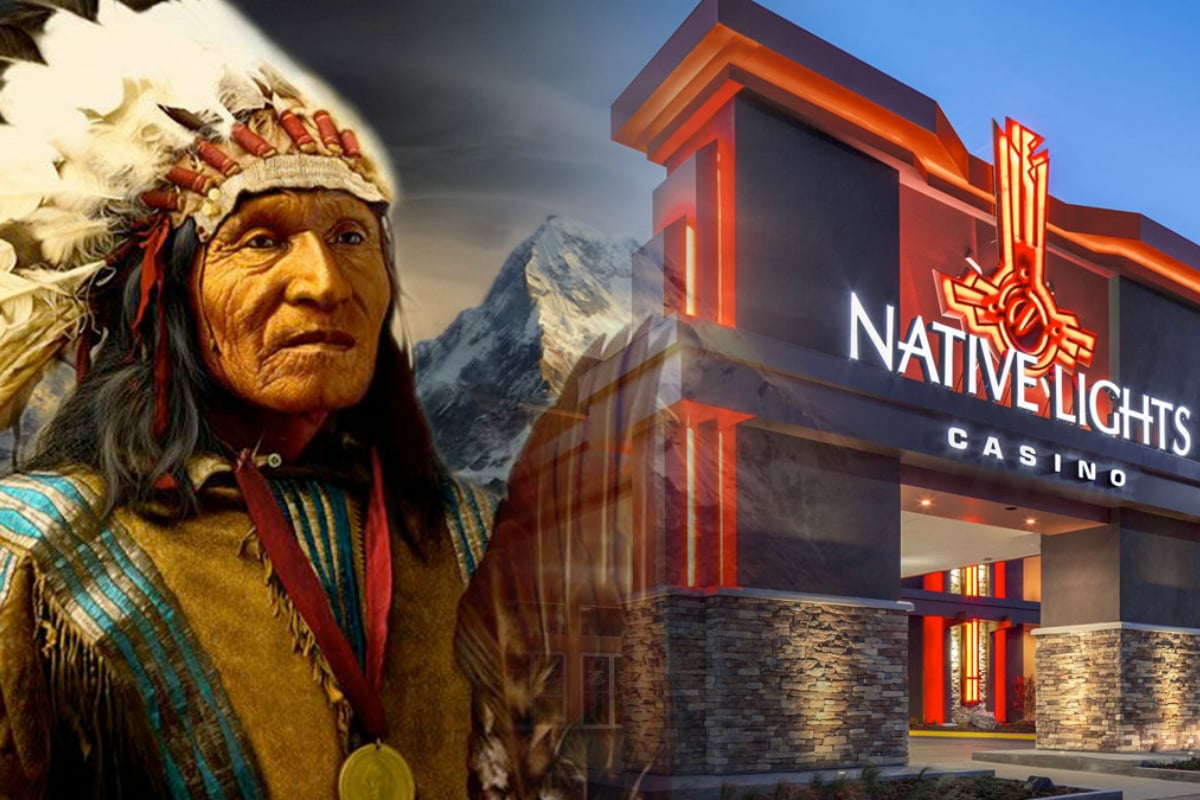
The gaming industry has become a significant economic force in the United States, and its impact on Indian reservations is particularly noteworthy. For many Native American tribes, gaming operations represent a crucial source of revenue, funding essential services, and promoting economic development. This article delves into the multifaceted relationship between the gaming industry and Indian reservations, examining its history, economic effects, social implications, and future prospects.
A Brief History of Gaming on Indian Reservations
The history of gaming on Indian reservations is intertwined with the concept of tribal sovereignty. For centuries, Native American tribes have maintained inherent rights to self-governance, including the right to conduct business and raise revenue within their territories. However, these rights have often been challenged and restricted by federal and state governments.
In the 1970s and 1980s, several tribes began to explore gaming as a means of generating revenue. These early ventures often faced legal challenges, leading to a landmark Supreme Court case, California v. Cabazon Band of Mission Indians (1987). The Court ruled that states could not prohibit tribes from operating gaming facilities if the state allowed similar types of gaming elsewhere. This decision paved the way for the modern era of Indian gaming.
Following the Cabazon decision, Congress passed the Indian Gaming Regulatory Act (IGRA) in 1988. IGRA established a regulatory framework for Indian gaming, dividing gaming activities into three classes: Class I (traditional tribal games), Class II (bingo and similar games), and Class III (casino-style gaming). IGRA requires tribes to negotiate compacts with state governments for Class III gaming, addressing issues such as revenue sharing, regulation, and environmental protection.
The Economic Impact of Gaming

The economic impact of the gaming industry on Indian reservations is substantial. Gaming revenues have enabled tribes to fund a wide range of essential services, including education, healthcare, housing, infrastructure, and cultural preservation programs. These investments have significantly improved the quality of life for tribal members and contributed to the economic development of surrounding communities.
Job Creation: Gaming operations are major employers on Indian reservations, providing jobs for tribal members and non-tribal residents alike. These jobs range from entry-level positions to management roles, offering opportunities for career advancement and economic self-sufficiency.
Revenue Generation: Gaming revenues are used to fund tribal government operations, provide social services, and invest in economic development projects. Some tribes also distribute per capita payments to tribal members, providing direct financial benefits.
Economic Diversification: While gaming is a primary source of revenue for many tribes, some are using gaming profits to diversify their economies by investing in other industries, such as tourism, renewable energy, and manufacturing. This diversification reduces their dependence on gaming and creates more sustainable economic opportunities.
Social and Cultural Implications
While the economic benefits of gaming are undeniable, the social and cultural implications are complex and multifaceted. Gaming can have both positive and negative effects on tribal communities, depending on how it is managed and regulated.
Cultural Preservation: Gaming revenues can be used to support cultural preservation efforts, such as language revitalization programs, museums, and cultural centers. These initiatives help to preserve and promote tribal traditions, values, and identity.
Education and Scholarships: Many tribes allocate gaming revenues to fund educational programs and scholarships for tribal members. These investments help to improve educational outcomes and create opportunities for higher education and career advancement.
Social Challenges: Gaming can also contribute to social challenges, such as problem gambling, substance abuse, and crime. Tribes must implement responsible gaming programs and social services to mitigate these risks.

The Rise of Esports and Online Gaming
In recent years, the gaming industry has expanded beyond traditional casinos to include esports and online gaming. These emerging sectors offer new opportunities for tribes to diversify their gaming operations and reach a wider audience.
Esports Arenas: Some tribes are building esports arenas and hosting tournaments, attracting gamers and spectators from around the world. These events generate revenue, create jobs, and promote tourism.
Online Gaming Platforms: Tribes are also exploring the possibility of launching their own online gaming platforms, offering a variety of games, including casino games, poker, and sports betting. This would allow them to reach a global audience and generate additional revenue.
Challenges and Opportunities: The expansion of esports and online gaming presents both challenges and opportunities for tribes. They must navigate complex regulatory issues, compete with established gaming companies, and ensure that their gaming operations are responsible and sustainable.
Legal and Regulatory Landscape
The legal and regulatory landscape surrounding Indian gaming is complex and constantly evolving. IGRA provides the basic framework, but many aspects of Indian gaming are subject to state and federal laws, as well as tribal regulations.
Tribal-State Compacts: Tribes must negotiate compacts with state governments for Class III gaming. These compacts address issues such as revenue sharing, regulation, and environmental protection. The terms of these compacts can vary widely from state to state.
Federal Oversight: The National Indian Gaming Commission (NIGC) is the federal agency responsible for overseeing Indian gaming. The NIGC enforces IGRA, approves tribal gaming ordinances, and conducts audits of tribal gaming operations.
Legal Challenges: Indian gaming is often the subject of legal challenges, particularly regarding issues of tribal sovereignty, state authority, and the scope of IGRA. These legal battles can have significant implications for the future of Indian gaming.
The Future of Gaming on Indian Reservations
The future of gaming on Indian reservations is uncertain, but it is likely to remain a significant economic and social force for many years to come. As the gaming industry continues to evolve, tribes will need to adapt and innovate to remain competitive.
Diversification: Tribes will need to continue diversifying their economies to reduce their dependence on gaming and create more sustainable economic opportunities.
Technology: Tribes will need to embrace new technologies, such as esports and online gaming, to reach a wider audience and generate additional revenue.
Collaboration: Tribes will need to collaborate with each other, as well as with state and federal governments, to address common challenges and promote the interests of Indian gaming.
Conclusion
The gaming industry has had a profound impact on Indian reservations, providing economic opportunities, funding essential services, and promoting tribal sovereignty. While gaming also presents social and cultural challenges, tribes have demonstrated their ability to manage and regulate gaming operations responsibly. As the gaming industry continues to evolve, tribes will need to adapt and innovate to ensure that gaming remains a valuable asset for their communities. The future likely involves a blend of traditional casino gaming, esports ventures, and carefully regulated online platforms, all contributing to the economic and social well-being of Native American tribes.
- Gaming has become a vital revenue source for many Native American tribes.
- The Indian Gaming Regulatory Act (IGRA) provides the regulatory framework for Indian gaming.
- Gaming revenues are used to fund essential services and promote economic development.
- Esports and online gaming offer new opportunities for tribes to diversify their gaming operations.
- Tribes must address social challenges associated with gaming, such as problem gambling.


