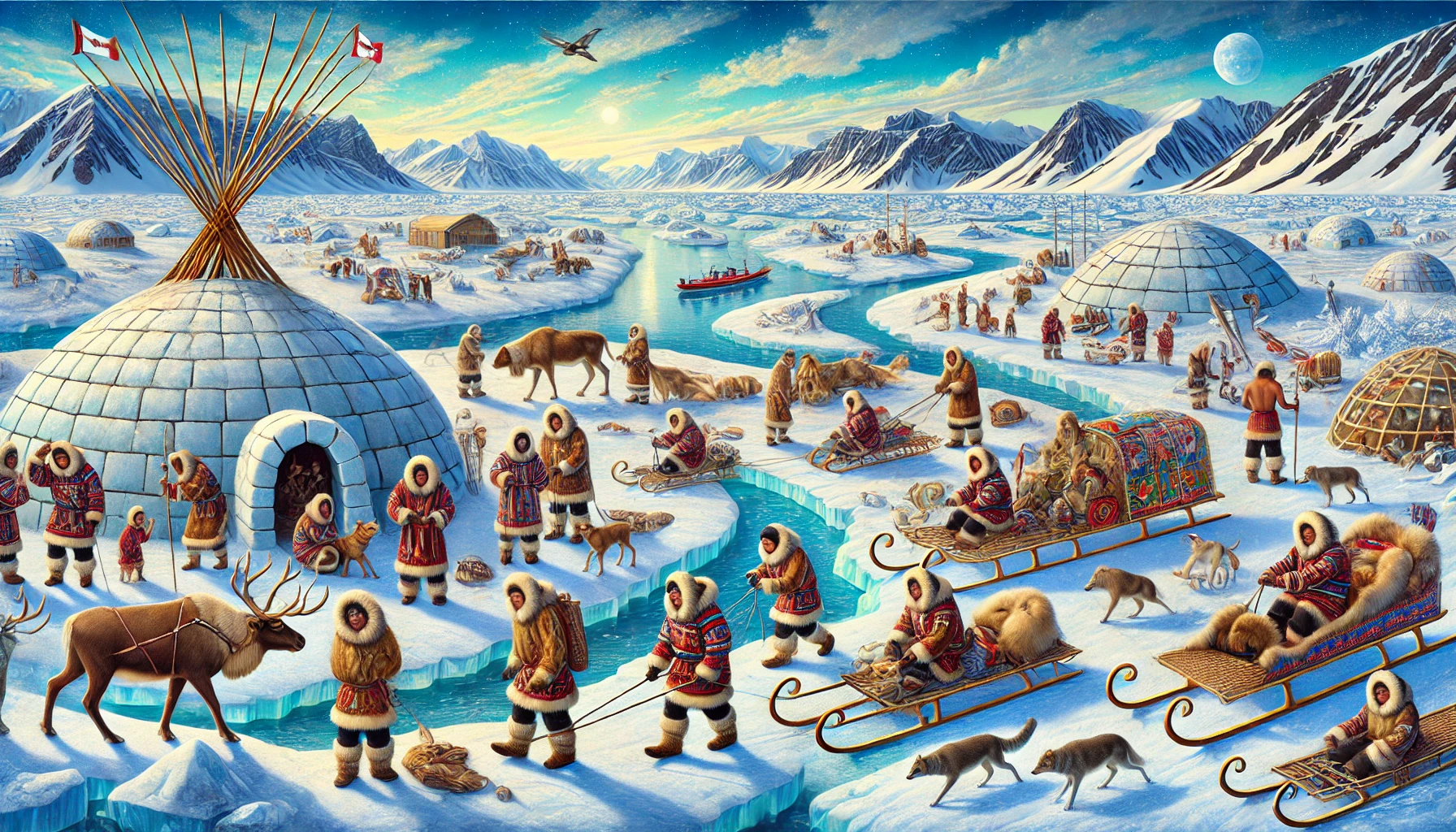
The vast, often stark, landscape of the Alaskan Arctic is more than just a physical environment for the Inupiat people; it is the very essence of their identity, culture, and spiritual being. For millennia, the Inupiat, one of Alaska’s indigenous groups, have thrived in this challenging yet bountiful region, forging an unbreakable bond with the land, ice, and sea that sustains them.
This profound relationship transcends mere survival; it is a spiritual connection, a worldview where every element of nature holds a spirit and demands respect. Understanding this intricate bond is crucial to appreciating the resilience and wisdom of the Inupiat culture in the face of modern challenges.
A Living Landscape: The Inupiat Worldview
At the heart of Inupiat spirituality is the understanding that the land, animals, and even weather patterns are alive and possess spirits. This animistic worldview means that nothing is inanimate; everything is interconnected in a delicate balance. This perspective fosters a deep sense of responsibility and reverence for the natural world.
The term ‘nuna,’ meaning land, encompasses not just the physical ground but also the entire ecosystem, including the ice, waters, and the creatures within them. It is a living entity, a generous provider, and a sacred space that has nurtured generations of Inupiat.
Subsistence as Sacred Practice

For the Inupiat, subsistence activities – hunting, fishing, and gathering – are not merely methods of acquiring food; they are deeply spiritual practices. Each hunt, whether for bowhead whale, caribou, seal, or fish, is approached with respect, gratitude, and a keen understanding of the animal’s spirit.
Traditional ecological knowledge (TEK), passed down through countless generations, guides every aspect of subsistence. This knowledge includes understanding animal migration patterns, ice conditions, weather forecasting, and sustainable harvesting practices, all underpinned by spiritual protocols.
When an animal is successfully hunted, it is seen as a gift from the spirit world, not a conquest. Elaborate ceremonies and respectful butchering practices ensure that no part of the animal is wasted, honoring its sacrifice and ensuring its spirit will return to provide again.
Ancestral Lands and Cultural Heritage
The Inupiat connection to the land is deeply rooted in their ancestral history. Every hill, river, and coastal stretch holds stories, memories, and the spirits of their ancestors. These lands are their birthright, their classroom, and their spiritual sanctuary.
Oral traditions, songs, and dances serve as powerful vehicles for transmitting this cultural heritage and the spiritual significance of specific places. Elders share stories of successful hunts, perilous journeys, and the wisdom embedded in the landscape, reinforcing the deep-seated bond.
The land provides not only physical sustenance but also a sense of belonging, identity, and continuity with the past. It is the foundation upon which Inupiat society, language, and traditions are built and sustained.
Respect, Reciprocity, and Gratitude
A core tenet of Inupiat spirituality is the principle of reciprocity. If the land and its creatures provide for the people, the people must, in turn, show respect and gratitude. This is demonstrated through careful stewardship, sustainable practices, and honoring the spirits of harvested animals.
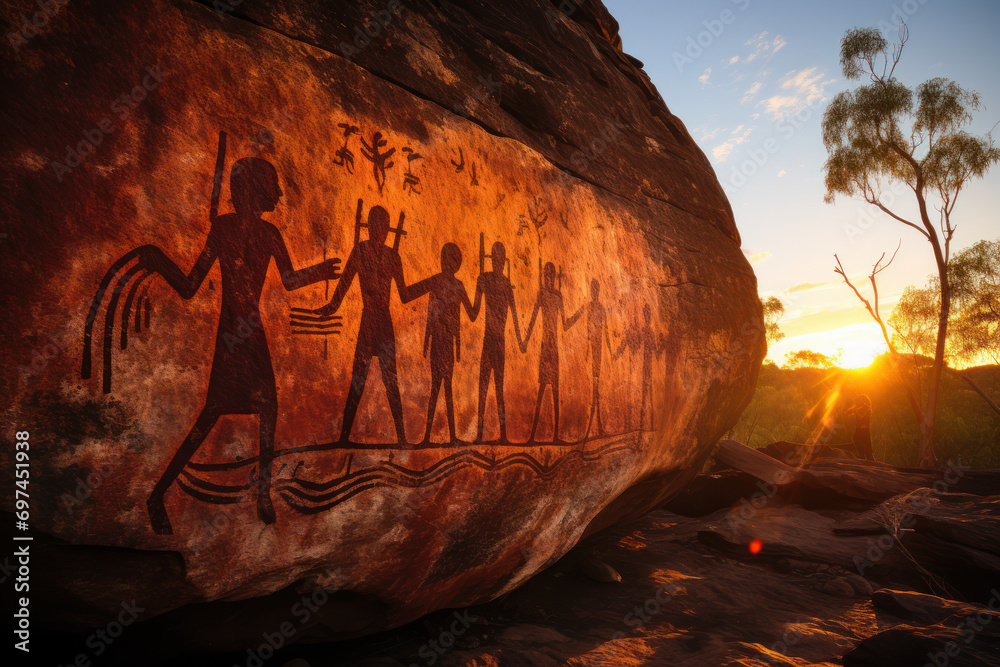
- Respect: Treating all elements of nature with dignity and care.
- Reciprocity: Acknowledging the gifts received and giving back through respectful practices.
- Gratitude: Expressing thanks for the sustenance and wisdom provided by the land.
This philosophy ensures a harmonious relationship, preventing over-exploitation and fostering a sense of interconnectedness that benefits both human and non-human life forms.
Ceremonies and Community Gatherings
Many Inupiat ceremonies and community gatherings reinforce the spiritual connection to the land. Whaling feasts, for instance, are not just celebrations of a successful hunt but profound spiritual events that honor the whale and its spirit, bringing the community together in shared gratitude and cultural affirmation.
Storytelling sessions around the qargi (traditional community house) or in homes often feature narratives that emphasize the power and wisdom of the land, teaching younger generations about their responsibilities and place within the ecosystem.
The Impact of a Changing Climate
The Arctic is experiencing climate change at an accelerated rate, and this has profound implications for the Inupiat spiritual connection to land. Melting sea ice, thawing permafrost, and changing animal migration patterns directly threaten traditional subsistence practices and the cultural fabric.
The shrinking ice roads, vital for travel and hunting, disrupt ancient pathways and make traditional activities more perilous. Coastal erosion, exacerbated by less sea ice protection, is forcing communities to consider relocation, severing generations of ties to specific ancestral sites.
These environmental shifts are not just economic or logistical challenges; they are deeply spiritual crises. The land, once a constant and reliable provider, is changing in ways that challenge traditional knowledge and disrupt the sacred balance, causing immense grief and uncertainty.
Modern Challenges and Resilience
Beyond climate change, the Inupiat face other modern challenges that impact their land connection, including resource extraction, industrial development, and issues of land ownership. Balancing economic opportunities with cultural preservation and environmental stewardship is a constant struggle.
Despite these pressures, the Inupiat people demonstrate incredible resilience. They are at the forefront of advocating for environmental protection, blending traditional ecological knowledge with Western science to address climate change and protect their ancestral lands.
Organizations and tribal governments work tirelessly to preserve language, culture, and traditional practices, ensuring that the spiritual connection to the land continues to thrive for future generations. Education plays a critical role in this, teaching youth about their heritage and responsibilities.
The Enduring Legacy
The Inupiat spiritual connection to land is a powerful testament to humanity’s ability to live in harmony with nature. It is a worldview that offers invaluable lessons on sustainability, respect, and the profound interconnectedness of all life.
This enduring bond is not a relic of the past but a living, evolving relationship that continues to shape Inupiat identity and guide their actions. It is a beacon for understanding how a deep spiritual reverence for the environment can foster resilience and cultural continuity in a rapidly changing world.
By understanding and respecting the Inupiat spiritual connection to land, we gain insight into a profound way of life that cherishes the earth as a living, breathing entity, deserving of our utmost care and protection.
The wisdom of the Inupiat reminds us that the land is not merely a resource to be exploited, but a sacred relative to be honored and protected for all time.


