

The landscape of Oklahoma is deeply etched with the stories of numerous Native American nations, each contributing to the state’s unique cultural mosaic. Among these, the Otoe-Missouria Tribe stands as a testament to resilience, cultural preservation, and unwavering determination. Their reservation, nestled near Red Rock, Oklahoma, is more than just a geographical location; it is a vibrant center of tribal life, history, and a beacon for future generations.
This comprehensive article aims to explore the multifaceted existence of the Otoe-Missouria Tribe, from their ancestral roots and the arduous journey to Oklahoma to their contemporary efforts in self-governance, economic development, and cultural revitalization. Join us as we uncover the significance of the Otoe-Missouria Tribe Reservation in Oklahoma.
Understanding the Otoe-Missouria Tribe: A Brief Overview
The Otoe-Missouria Tribe is a federally recognized tribe with a rich and complex history. Originally, the Otoe and Missouria were distinct but closely related Siouan-speaking tribes who shared cultural similarities and often lived in close proximity. Their ancestral lands spanned vast territories across what is now Nebraska, Iowa, and Missouri, along the Missouri River.
The Otoe-Missouria people, like many other Native American tribes, faced immense pressures from European expansion and U.S. governmental policies throughout the 18th and 19th centuries. These pressures ultimately led to significant land cessions and forced removals from their traditional homelands.
By the mid-19th century, the two tribes, severely diminished by disease and conflict, formally united for mutual protection and survival. This merger solidified their shared identity and marked a pivotal moment in their collective history, leading to the Otoe-Missouria Tribe as we know it today.
The Otoe-Missouria Reservation in Oklahoma: Location and Context
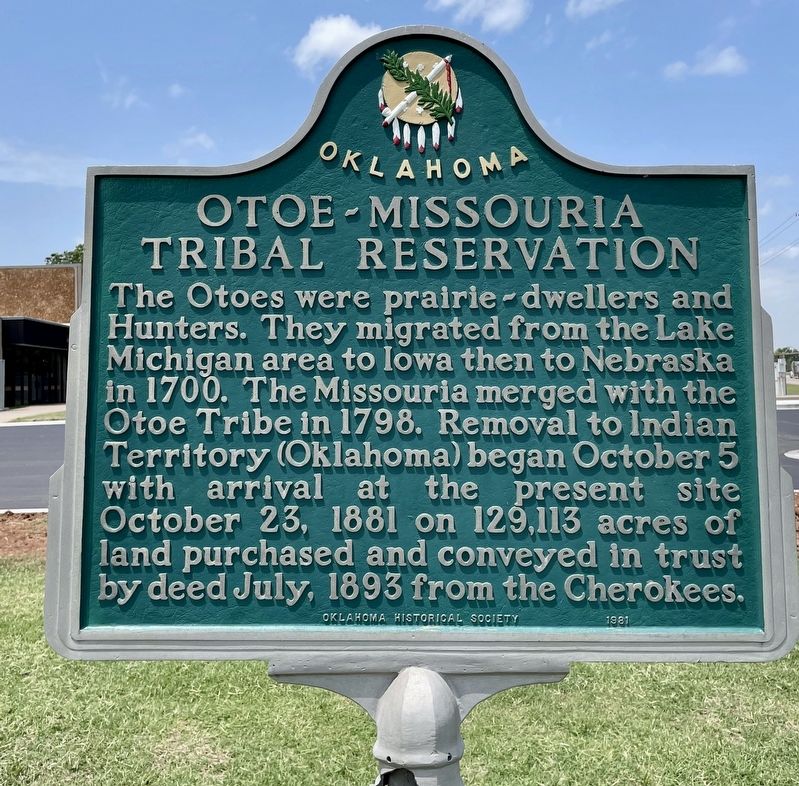
The Otoe-Missouria Tribe’s headquarters and primary reservation lands are situated near Red Rock, in Noble County, Oklahoma. This area became their designated home following their removal from Kansas in the late 19th century, part of the broader Indian Removal policy that relocated numerous tribes to Indian Territory, which later became Oklahoma.
The reservation encompasses a significant land base, providing the tribe with a sovereign territory to govern and develop according to their cultural values and economic aspirations. It serves as the administrative, cultural, and economic hub for the Otoe-Missouria people, fostering community and preserving their unique heritage.
The landscape around Red Rock is characterized by rolling plains, agricultural lands, and river systems, reflecting the ecological diversity of north-central Oklahoma. This environment, while different from their ancestral riverine territories, has become integral to the tribe’s modern identity and economic activities.
A Rich Tapestry of History and Resilience
Before contact with Europeans, the Otoe and Missouria tribes were skilled hunters, farmers, and traders, known for their distinctive earthlodge villages and complex social structures. They maintained extensive trade networks and engaged in vibrant cultural practices that celebrated their connection to the land and spirit world.
The 19th century brought a period of intense upheaval. A series of treaties, often signed under duress, systematically stripped the Otoe-Missouria of their vast land holdings. The Indian Removal Act of 1830 and subsequent policies culminated in their forced relocation, first to a reservation in Kansas, and eventually to Indian Territory in 1881.
This journey, known as the ‘Trail of Tears’ for many Eastern tribes, represented a profound loss and hardship. Yet, the Otoe-Missouria people demonstrated extraordinary resilience, adapting to new environments and maintaining their cultural identity despite immense challenges and attempts at assimilation.
The allotment era, beginning in the late 19th and early 20th centuries, further fragmented tribal lands, often leading to individual ownership and the loss of communal control. Despite these historical traumas, the Otoe-Missouria continued to advocate for their rights and preserve their heritage.

Otoe-Missouria Culture and Traditions
Cultural preservation is at the heart of the Otoe-Missouria Tribe’s mission. Their heritage is rich with traditions that have been passed down through generations. The Otoe-Missouria language, a dialect of the Chi-Were language family (Siouan), is a vital component of their identity, with ongoing efforts to revitalize and teach it to younger members.
Traditional ceremonies and social dances, such as the annual Otoe-Missouria Encampment and Powwow, are central to tribal life. These gatherings are vibrant expressions of culture, featuring drumming, singing, dancing, and the sharing of traditional foods. They serve as crucial opportunities for community bonding and the intergenerational transfer of knowledge.
Storytelling, traditional arts (including beadwork, quillwork, and ribbon work), and music play significant roles in maintaining cultural continuity. These artistic expressions not only preserve historical narratives but also reflect the contemporary experiences and creativity of the Otoe-Missouria people.
The importance of family, kinship, and community solidarity remains paramount. These values underpin the tribe’s social structure and guide their efforts in supporting tribal members through various programs and initiatives, ensuring that no one is left behind.
Tribal Government and Sovereignty
The Otoe-Missouria Tribe operates as a sovereign nation, exercising its inherent right to self-governance. Their governmental structure typically includes an elected Tribal Council or Business Committee responsible for managing tribal affairs, enacting laws, and representing the interests of their citizens.
Tribal sovereignty means that the Otoe-Missouria Tribe possesses the authority to govern its own people and lands, develop its own laws, and manage its resources. This sovereignty, though recognized by the U.S. federal government, is a constant effort to maintain and protect against external infringements.
The tribal government is responsible for providing essential services to its members, including healthcare, housing, education, and social services. These services are crucial for improving the quality of life on the reservation and fostering a strong, healthy community.
Relationships with federal, state, and local governments are managed through government-to-government interactions, reflecting the unique legal status of federally recognized tribes. The tribe actively engages in policy discussions that affect Native American rights and self-determination.
Economic Development and Self-Sufficiency
Economic development is a cornerstone of the Otoe-Missouria Tribe’s strategy for self-sufficiency and prosperity. Like many tribes, they have strategically diversified their economic portfolio to create jobs, generate revenue, and invest in tribal infrastructure and services.
Gaming enterprises, such as the 7 Clans Casino properties, represent a significant portion of the tribe’s economic engine. These ventures provide substantial revenue that is reinvested directly into tribal programs, services, and infrastructure, benefiting all tribal members.
Beyond gaming, the Otoe-Missouria Tribe engages in various other economic activities, including agriculture, land leasing, and other business ventures. These efforts aim to create a diverse and resilient economy that can withstand market fluctuations and provide stable opportunities for tribal members.
The revenue generated from these enterprises allows the tribe to fund critical initiatives that would otherwise be unavailable. This includes cultural preservation programs, educational scholarships, elder care, and infrastructure improvements, all contributing to the overall well-being and future of the Otoe-Missouria people.
Education and Future Generations
Investing in education is a top priority for the Otoe-Missouria Tribe. They understand that a strong educational foundation is key to empowering future generations and ensuring the continued success and self-determination of the nation. The tribe supports its youth through various programs.
These initiatives include early childhood education, K-12 support, and scholarship programs for higher education. By fostering academic achievement and providing access to educational resources, the tribe helps its members pursue their dreams and contribute meaningfully to their community and beyond.
Furthermore, educational efforts extend to cultural and language revitalization. Programs dedicated to teaching the Chi-Were language and traditional Otoe-Missouria customs ensure that cultural knowledge is not lost but flourishes with each new generation, connecting them to their ancestral roots.
Challenges and Ongoing Efforts
Despite their many successes, the Otoe-Missouria Tribe, like other Native American nations, faces ongoing challenges. These include addressing the lingering effects of historical trauma, combating socioeconomic disparities, and protecting their natural resources.
The tribe actively works to overcome these obstacles through community health initiatives, mental wellness programs, and advocacy for tribal rights and environmental protection. They strive to create a healthier, more equitable future for their people while honoring their past.
Advocacy at both state and federal levels is crucial for protecting tribal sovereignty, land rights, and access to resources. The Otoe-Missouria Tribe consistently works to ensure their voice is heard in policy decisions that impact Native American communities.
Visiting the Otoe-Missouria Lands
For those interested in learning more or experiencing the vibrant culture firsthand, understanding and respecting tribal protocols is essential. Visitors are often welcome at public events like the annual powwow, which provides an opportunity to witness traditional dances, music, and art.
Supporting tribal businesses, such as their gaming enterprises, also contributes directly to the tribe’s economic well-being and its ability to fund vital services for its members. Engaging respectfully with Otoe-Missouria culture offers a profound learning experience.
Conclusion: An Enduring Legacy of Strength and Culture
The Otoe-Missouria Tribe Reservation in Oklahoma is a powerful symbol of endurance, cultural richness, and self-determination. From their ancestral lands to their present-day home near Red Rock, the Otoe-Missouria people have navigated centuries of change with remarkable strength and adaptability.
Their commitment to preserving their language, traditions, and sovereignty, coupled with their proactive approach to economic development and education, ensures a vibrant future for their nation. The Otoe-Missouria Tribe stands as a living testament to the enduring spirit of Native American resilience, contributing profoundly to the cultural tapestry of Oklahoma and beyond.
Exploring their history and present-day endeavors offers valuable insights into the ongoing journey of Indigenous peoples in America, reminding us of the importance of recognizing and celebrating the diverse cultures that shape our world.


