
The Muscogee (Creek) Nation Reservation in Oklahoma represents a vibrant and historically significant area. Understanding its boundaries, history, and contemporary importance requires a comprehensive approach. This article aims to provide an in-depth look at the Muscogee (Creek) Nation, its reservation, and its impact on Oklahoma.
A Brief History of the Muscogee (Creek) Nation
The Muscogee (Creek) Nation, originally located in the southeastern United States, faced forced removal in the 19th century. This tragic period, known as the Trail of Tears, resulted in the relocation of the Muscogee people to what is now Oklahoma. This relocation profoundly shaped the nation’s identity and its relationship with the land.
The Trail of Tears and Relocation
The Trail of Tears was a devastating journey for the Muscogee (Creek) Nation. Thousands perished due to disease, starvation, and exposure during the forced march. Upon arrival in Oklahoma, the Muscogee people began the arduous task of rebuilding their lives and establishing a new government.
Establishing a New Nation in Oklahoma

In Indian Territory, the Muscogee (Creek) Nation established a government based on their traditional system, adapting it to the new environment. They created schools, businesses, and farms, striving to maintain their cultural identity while navigating the challenges of a new territory.
Defining the Muscogee (Creek) Nation Reservation
The Muscogee (Creek) Nation Reservation boundaries in Oklahoma have evolved over time due to various historical and legal factors. Understanding these boundaries is crucial for comprehending the Nation’s jurisdiction and land rights.
Historical Boundaries and Land Allotment
Initially, the Muscogee (Creek) Nation controlled a vast territory in Oklahoma. However, the Dawes Act of 1887 led to the allotment of communal lands to individual tribal members. This policy significantly reduced the Nation’s land base and opened up vast areas to non-Native settlement.
McGirt v. Oklahoma and its Impact
The 2020 Supreme Court case, McGirt v. Oklahoma, had a profound impact on the Muscogee (Creek) Nation and other tribes in Oklahoma. The court affirmed that the Muscogee (Creek) Nation Reservation had never been formally disestablished by Congress. This decision reaffirmed the Nation’s jurisdiction over criminal matters involving Native Americans within its historical boundaries.
Contemporary Reservation Boundaries
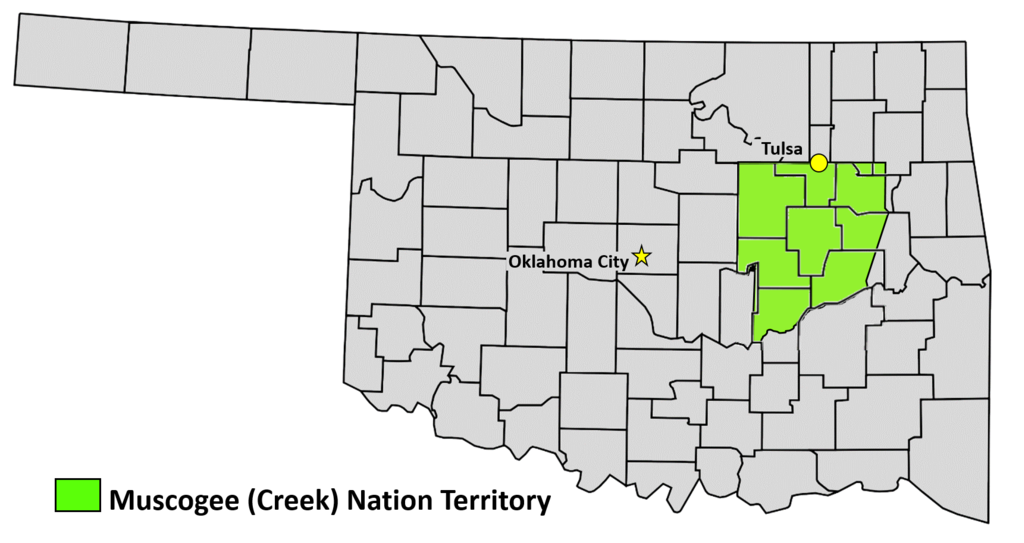
Today, the Muscogee (Creek) Nation Reservation encompasses a large area in eastern Oklahoma. While the exact boundaries can be complex due to the history of allotment and checkerboard jurisdiction, the McGirt decision has clarified the Nation’s legal standing within its historical territory. This impacts criminal jurisdiction, taxation, and regulatory authority.

Governance and Structure of the Muscogee (Creek) Nation
The Muscogee (Creek) Nation has a distinct governmental structure that blends traditional elements with modern practices. Understanding this structure is key to understanding how the Nation operates.
The Principal Chief and National Council
The Muscogee (Creek) Nation is led by a Principal Chief, who is elected by the citizens of the Nation. The National Council serves as the legislative body, enacting laws and policies that govern the Nation. The Principal Chief and National Council work together to address the needs of the Muscogee (Creek) people.
Tribal Courts and Legal System
The Muscogee (Creek) Nation operates its own tribal court system, which handles a range of legal matters, including criminal cases (as affirmed by McGirt), family law, and civil disputes. The tribal courts play a vital role in upholding the Nation’s sovereignty and ensuring justice for its citizens.
Departments and Agencies
The Muscogee (Creek) Nation government includes various departments and agencies that provide essential services to its citizens. These include healthcare, education, housing, and social services. These departments are crucial for improving the quality of life for Muscogee (Creek) people.
The Economy of the Muscogee (Creek) Nation
The Muscogee (Creek) Nation has developed a diverse economy that contributes to both the Nation’s prosperity and the economy of Oklahoma. Understanding the key economic drivers is essential.
Gaming and Casinos
Gaming is a significant source of revenue for the Muscogee (Creek) Nation. The Nation operates several casinos that provide employment opportunities and generate funds for tribal programs and services. These casinos contribute significantly to the local economy.
Business Enterprises
Beyond gaming, the Muscogee (Creek) Nation has diversified its business interests into various sectors, including construction, manufacturing, and retail. These enterprises create jobs and contribute to the Nation’s economic self-sufficiency.
Natural Resources
The Muscogee (Creek) Nation also manages its natural resources, including oil, gas, and timber. These resources provide revenue and employment opportunities while requiring careful environmental stewardship.
Culture and Traditions of the Muscogee (Creek) Nation
The Muscogee (Creek) Nation has a rich cultural heritage that it actively preserves and promotes. Understanding this culture is essential for appreciating the Nation’s identity.
Language and Arts
The Muscogee language is a vital part of the Nation’s cultural identity. The Nation supports language revitalization programs to ensure its survival. Traditional arts, such as pottery, weaving, and beadwork, are also actively practiced and celebrated.
Ceremonies and Events
The Muscogee (Creek) Nation holds various ceremonies and events throughout the year that celebrate its culture and traditions. These include stomp dances, powwows, and other gatherings that bring the community together. These events are often open to the public, providing opportunities for cultural exchange.
Education and Cultural Preservation
The Muscogee (Creek) Nation places a strong emphasis on education and cultural preservation. The Nation operates schools and cultural centers that teach Muscogee history, language, and traditions to future generations. These efforts are crucial for maintaining the Nation’s cultural identity.
Tourism and Visiting the Muscogee (Creek) Nation
Visitors are welcome to explore the Muscogee (Creek) Nation and learn about its history and culture. Responsible tourism can benefit both visitors and the Nation.
Cultural Centers and Museums
The Muscogee (Creek) Nation operates cultural centers and museums that showcase its history, art, and culture. These institutions offer valuable insights into the Nation’s past and present.
Powwows and Events
Attending a powwow or other cultural event is a great way to experience Muscogee (Creek) culture firsthand. These events often feature traditional music, dance, and food.
Respectful Travel
When visiting the Muscogee (Creek) Nation, it is important to be respectful of its culture and traditions. Learn about the Nation’s history and customs, and be mindful of local protocols. Support local businesses and organizations that benefit the community.
Challenges and Opportunities Facing the Muscogee (Creek) Nation
Like all sovereign nations, the Muscogee (Creek) Nation faces various challenges and opportunities in the 21st century.
Economic Development
Continued economic development is essential for the Muscogee (Creek) Nation to provide for its citizens and maintain its sovereignty. Diversifying the economy and creating new opportunities are key priorities.
Healthcare and Education
Improving healthcare and education outcomes for Muscogee (Creek) citizens is a constant focus. The Nation works to provide access to quality healthcare and educational opportunities.
Preserving Sovereignty
Protecting and preserving the Nation’s sovereignty is paramount. The Muscogee (Creek) Nation actively engages in legal and political efforts to defend its rights and interests.
The Future of the Muscogee (Creek) Nation
The Muscogee (Creek) Nation is committed to building a strong and prosperous future for its citizens. By preserving its culture, promoting economic development, and upholding its sovereignty, the Nation is working to create a better future for generations to come.
Continued Growth and Development
The Muscogee (Creek) Nation will continue to grow and develop in the years to come. The Nation’s leadership is committed to making strategic investments in its people, its economy, and its future.
Strengthening Relationships
The Muscogee (Creek) Nation recognizes the importance of building strong relationships with other tribes, the state of Oklahoma, and the federal government. These relationships are essential for advancing the Nation’s interests and addressing shared challenges.
Conclusion
The Muscogee (Creek) Nation Reservation in Oklahoma is a testament to the resilience and determination of the Muscogee people. From the tragic Trail of Tears to the landmark McGirt v. Oklahoma decision, the Nation has overcome significant challenges and emerged as a strong and vibrant sovereign entity. By understanding its history, governance, culture, and economy, we can gain a deeper appreciation for the Muscogee (Creek) Nation’s contributions to Oklahoma and the United States. The Muscogee (Creek) Nation’s story is one of perseverance, cultural preservation, and a commitment to a brighter future.
This comprehensive guide provides a foundational understanding of the Muscogee (Creek) Nation Reservation in Oklahoma. Further research and engagement with the Nation itself are encouraged for a more complete and nuanced perspective.


