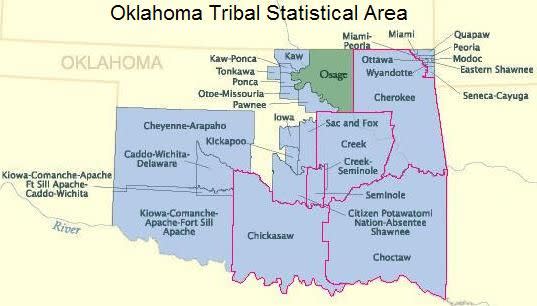

The Modoc Tribe of Oklahoma, a federally recognized tribe, carries a profound history of resilience, adaptation, and cultural preservation. Understanding their story involves exploring their ancestral lands, the events that led to their relocation to Oklahoma, and their ongoing efforts to maintain their unique identity. This article delves into the multifaceted aspects of the Modoc Tribe, offering insights into their past, present, and future.
Origins and Ancestral Lands
The Modoc people originally inhabited the area of northern California and southern Oregon, particularly around Tule Lake and the Lost River. Their traditional lifestyle revolved around hunting, fishing, and gathering. They were known for their skilled horsemanship and intricate basketry. The Modoc’s connection to their land was deeply spiritual and integral to their cultural identity.
Key Takeaway: The Modoc Tribe’s roots are firmly planted in the landscape of northern California and southern Oregon, where they developed a unique culture deeply connected to the natural environment.
The Modoc War and Its Aftermath
The mid-19th century brought increasing pressure from American settlers, leading to conflicts over land and resources. The Modoc War of 1872-1873, led by Captain Jack (Kintpuash), marked a significant turning point in the tribe’s history. The war, though relatively short, was fierce and resulted in significant loss of life on both sides.
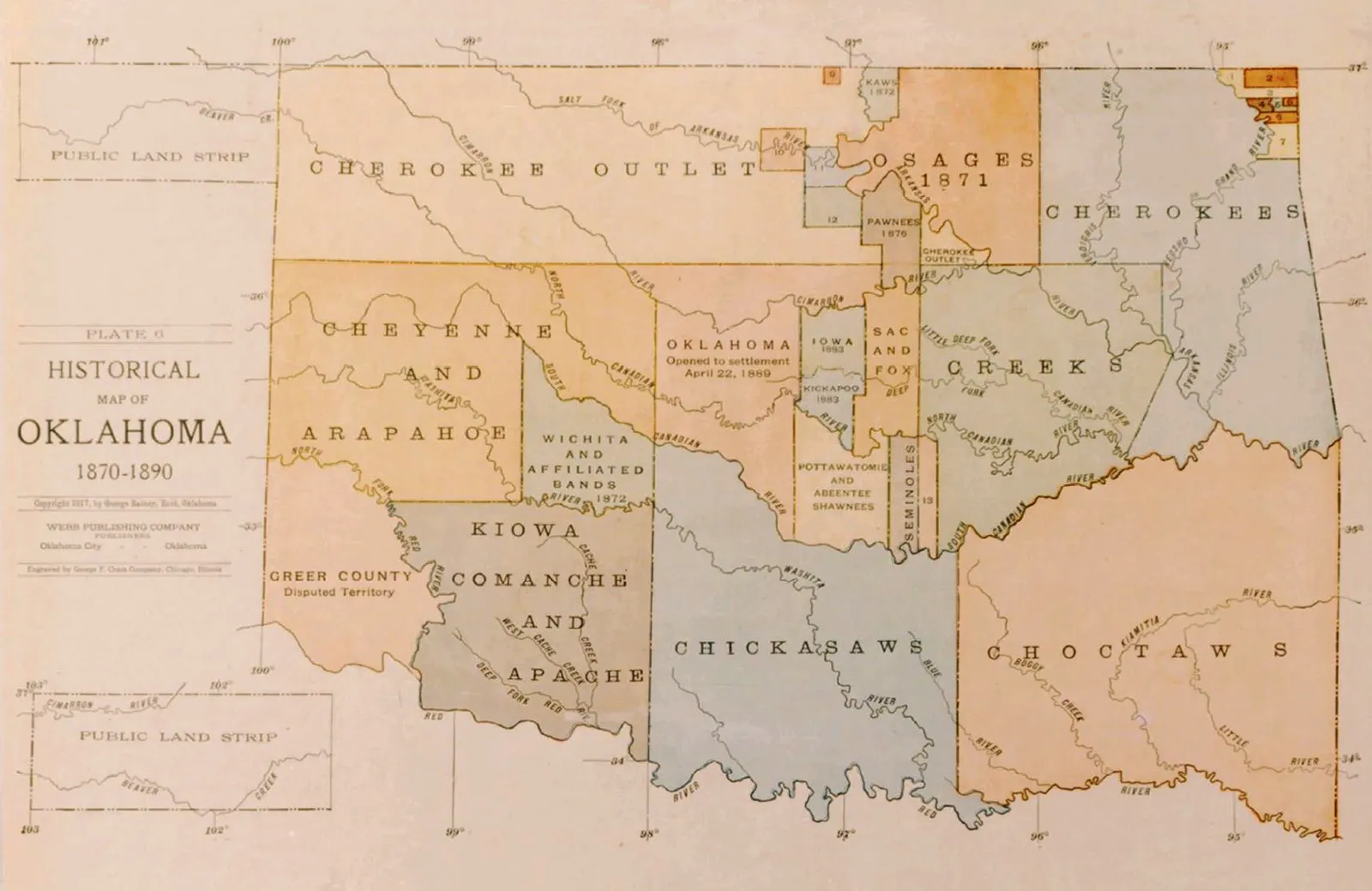

Following the Modoc War, the U.S. government forcibly removed the Modoc people from their ancestral lands. Some were sent to the Quapaw Agency in Oklahoma, while others were sent to the Klamath Reservation back in Oregon. This division had long-lasting effects on the tribe’s unity and cultural continuity.
Key Takeaway: The Modoc War and subsequent forced removal dramatically altered the course of the tribe’s history, leading to displacement and cultural disruption.
Relocation to Oklahoma
The Modoc people who were relocated to the Quapaw Agency in Oklahoma faced numerous challenges, including adapting to a new environment, dealing with disease, and navigating complex relationships with other tribes and the U.S. government. Despite these hardships, they persevered and began the process of rebuilding their community.
Establishing the Modoc Tribe of Oklahoma
Over time, the Modoc people in Oklahoma established their own distinct tribal government and worked to preserve their cultural heritage. The Modoc Tribe of Oklahoma officially gained federal recognition, solidifying their status as a sovereign nation within the United States.
Key Takeaway: The Modoc Tribe of Oklahoma emerged from the adversity of relocation, establishing a strong tribal government and working to preserve their cultural identity.
Government and Tribal Structure
The Modoc Tribe of Oklahoma operates under a constitution that outlines the structure of their government. This includes a Tribal Council, which is responsible for making decisions on behalf of the tribe, and various committees and departments that oversee different aspects of tribal affairs, such as education, healthcare, and economic development.


Economic Development and Resources
The Modoc Tribe of Oklahoma actively pursues economic development opportunities to support its members and strengthen its financial stability. This includes various business ventures, such as gaming enterprises, real estate development, and natural resource management. These endeavors provide employment opportunities for tribal members and generate revenue for essential tribal programs.
Key Takeaway: The Modoc Tribe of Oklahoma is committed to economic self-sufficiency through strategic business ventures and resource management.
Cultural Preservation Efforts
Despite the challenges of displacement and assimilation, the Modoc Tribe of Oklahoma remains deeply committed to preserving its cultural heritage. This includes language revitalization programs, cultural education initiatives, and the celebration of traditional ceremonies and events. The tribe actively works to pass on its traditions and values to future generations.
Language Revitalization
The Modoc language, like many Native American languages, faced a significant decline in the 20th century. The Modoc Tribe of Oklahoma is actively involved in language revitalization efforts, including language classes, immersion programs, and the documentation of traditional stories and songs. These efforts aim to ensure that the Modoc language continues to thrive for generations to come.
Traditional Arts and Crafts
Traditional arts and crafts play a vital role in Modoc culture. The tribe continues to practice and teach traditional skills such as basketry, beadwork, and carving. These art forms not only serve as a means of cultural expression but also provide economic opportunities for tribal members.
Key Takeaway: Cultural preservation is a central focus for the Modoc Tribe of Oklahoma, with ongoing efforts to revitalize the Modoc language and promote traditional arts and crafts.
Community and Social Programs
The Modoc Tribe of Oklahoma offers a range of community and social programs to support the well-being of its members. These programs include healthcare services, educational assistance, housing assistance, and elder care services. The tribe is committed to providing a strong social safety net for its members and ensuring that their basic needs are met.
Education Initiatives
Education is a top priority for the Modoc Tribe of Oklahoma. The tribe offers scholarships, grants, and other educational resources to help tribal members pursue higher education. They also support educational programs that promote cultural awareness and understanding.
Healthcare Services
The Modoc Tribe of Oklahoma provides access to quality healthcare services for its members. This includes a tribal health clinic that offers a range of medical services, as well as partnerships with other healthcare providers to ensure that tribal members have access to comprehensive care.
Key Takeaway: The Modoc Tribe of Oklahoma is dedicated to the well-being of its members, offering comprehensive community and social programs, including education and healthcare initiatives.
Intertribal Relations and Partnerships
The Modoc Tribe of Oklahoma maintains strong relationships with other Native American tribes and organizations. They actively participate in intertribal collaborations and partnerships to address common issues and promote the interests of Native American communities. These collaborations strengthen the collective voice of Native American tribes and enhance their ability to advocate for their rights and interests.
The Modoc Tribe Today
Today, the Modoc Tribe of Oklahoma is a vibrant and resilient community that continues to honor its past while embracing the future. They are actively involved in economic development, cultural preservation, and community development initiatives. The tribe remains committed to preserving its unique identity and contributing to the cultural landscape of Oklahoma.
Visiting the Modoc Tribe of Oklahoma
While the Modoc Tribe of Oklahoma does not have a traditional reservation in the same sense as some other tribes, their tribal headquarters and community center serve as important gathering places for tribal members and visitors. Contacting the tribe directly is recommended for those interested in learning more about their culture and history or attending tribal events.
Key Takeaway: The Modoc Tribe of Oklahoma is a thriving community that actively engages in economic development, cultural preservation, and intertribal collaboration.
Conclusion
The story of the Modoc Tribe of Oklahoma is one of resilience, adaptation, and cultural preservation. From their ancestral lands in northern California and southern Oregon to their present-day community in Oklahoma, the Modoc people have overcome numerous challenges and maintained their unique identity. Their commitment to cultural preservation, economic development, and community well-being serves as an inspiration to other Native American tribes and communities around the world. By understanding their history and supporting their ongoing efforts, we can help ensure that the Modoc Tribe of Oklahoma continues to thrive for generations to come.
Frequently Asked Questions (FAQ)
The Modoc Tribe of Oklahoma is located in Ottawa County, Oklahoma, near the town of Miami.
How did the Modoc Tribe end up in Oklahoma?
The Modoc Tribe was forcibly removed from their ancestral lands in northern California and southern Oregon following the Modoc War of 1872-1873. Some members were relocated to the Quapaw Agency in Oklahoma.
What are some of the cultural traditions of the Modoc Tribe?
The Modoc Tribe has a rich cultural heritage that includes traditional basketry, beadwork, carving, storytelling, and ceremonies. They are also known for their skilled horsemanship and their deep connection to the natural environment.
How does the Modoc Tribe of Oklahoma support its members?
The Modoc Tribe of Oklahoma offers a range of community and social programs to support its members, including healthcare services, educational assistance, housing assistance, and elder care services.
How can I learn more about the Modoc Tribe of Oklahoma?
You can learn more about the Modoc Tribe of Oklahoma by visiting their website, contacting their tribal headquarters, or attending tribal events. You can also find information about the tribe in books, articles, and documentaries about Native American history and culture.
Key Takeaway: The Modoc Tribe of Oklahoma is a testament to the enduring spirit of Native American people and their unwavering commitment to preserving their cultural heritage.
Additional Resources
- The official website of the Modoc Tribe of Oklahoma
- Books and articles on the Modoc War and its impact
- Documentaries and films about Native American history
- Museums and cultural centers that feature exhibits on the Modoc Tribe
By engaging with these resources, you can gain a more comprehensive understanding of the Modoc Tribe’s rich heritage and their ongoing contributions to Oklahoma’s diverse cultural landscape.


