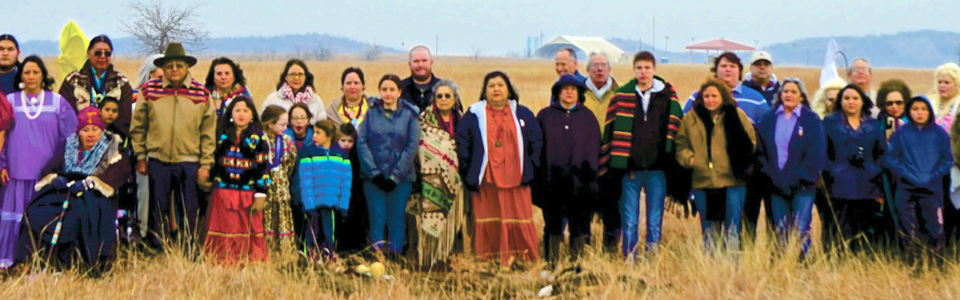

The Fort Sill Apache Tribe, a federally recognized tribe with a unique and compelling history, calls Oklahoma home. Understanding their story involves tracing their roots, acknowledging their forced relocation, and appreciating their resilience in preserving their cultural identity. This comprehensive guide delves into the heart of the Fort Sill Apache Tribe, exploring their past, present, and future within the Sooner State.
A Journey Through Time: The Fort Sill Apache History
Origins and Ancestral Lands
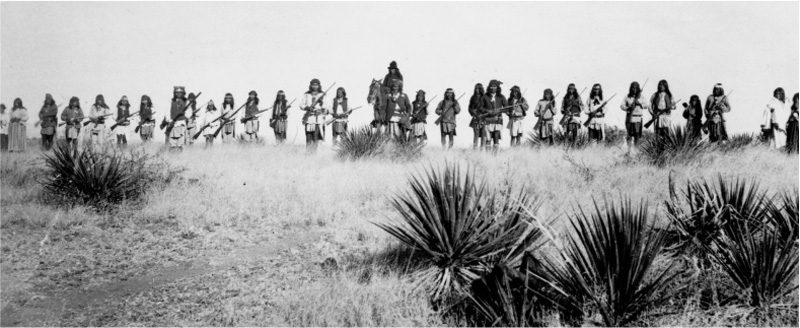
The Fort Sill Apache people, originally known as the Chiricahua Apache, inhabited a vast territory spanning present-day Arizona, New Mexico, and northern Mexico. Their traditional way of life revolved around hunting, gathering, and a deep connection to the land. Renowned warriors like Geronimo, Cochise, and Victorio emerged from their ranks, leading fierce resistance against encroaching settlers and the U.S. Army.
The Trauma of Forced Relocation
The late 19th century marked a tragic turning point. Following decades of conflict, the Chiricahua Apache were forcibly removed from their ancestral lands and subjected to years of imprisonment. This included incarceration at Fort Marion in Florida, followed by relocation to Alabama, and finally, to Fort Sill, Oklahoma, in 1894. The harsh conditions and separation from their homeland took a devastating toll.

Life at Fort Sill and the Fight for Recognition
Initially, the Apache prisoners of war were held under strict military control at Fort Sill. Despite these hardships, they demonstrated remarkable adaptability and a determination to maintain their cultural heritage. Over time, some were allowed to leave the fort, while others chose to remain. The struggle for official recognition as a distinct tribe continued for many years.
The Fort Sill Apache Tribe Today
Tribal Government and Leadership
Today, the Fort Sill Apache Tribe operates under a constitution and bylaws, with an elected tribal council and chairman. The tribal government is responsible for managing tribal affairs, promoting economic development, and preserving the tribe’s cultural heritage. The tribe actively engages in government-to-government relations with the United States and the State of Oklahoma.
Cultural Preservation and Language Revitalization
The Fort Sill Apache Tribe places a high priority on preserving their unique cultural identity. This includes efforts to revitalize the Apache language, teach traditional arts and crafts, and share their history and stories with future generations. Cultural events and ceremonies play a vital role in maintaining their connection to their heritage.
Economic Development and Community Programs
The tribe is actively involved in economic development initiatives to create opportunities for its members. These include enterprises in gaming, tourism, and other sectors. The Fort Sill Apache Tribe also operates a variety of community programs that provide services to tribal members in areas such as education, healthcare, and housing.


Understanding the Fort Sill Apache Culture
Apache Spirituality and Beliefs
Traditional Apache spirituality emphasizes a deep respect for nature and the interconnectedness of all things. The tribe has a rich tradition of ceremonies and rituals that are performed to maintain balance and harmony with the natural world. These traditions are passed down through generations and continue to play an important role in tribal life.
Arts, Crafts, and Traditional Skills
The Fort Sill Apache people are known for their artistic skills, particularly in basket weaving, beadwork, and leatherwork. These crafts are not only beautiful but also serve as a tangible link to their cultural heritage. Traditional skills such as hunting, gathering, and herbal medicine are also valued and preserved.
Storytelling and Oral Traditions
Storytelling plays a crucial role in Apache culture. Stories are used to teach lessons, preserve history, and entertain. Oral traditions are passed down from elders to younger generations, ensuring that the tribe’s history and cultural values are kept alive.
Visiting and Learning More About the Fort Sill Apache Tribe
The Apache Cultural Center
The Apache Cultural Center serves as a valuable resource for learning about the history, culture, and contemporary life of the Fort Sill Apache Tribe. The center features exhibits, artifacts, and educational programs that provide visitors with a deeper understanding of the tribe’s story.
Powwows and Cultural Events
Attending a powwow or other cultural event is a great way to experience the vibrancy of Fort Sill Apache culture firsthand. These events typically feature traditional dancing, singing, drumming, and food. They offer a unique opportunity to interact with tribal members and learn more about their traditions.
Respectful Engagement and Cultural Sensitivity
When visiting or learning about the Fort Sill Apache Tribe, it is important to approach the experience with respect and cultural sensitivity. Be mindful of tribal customs and traditions, and always ask permission before taking photographs or recording videos. Listen attentively to the stories and perspectives of tribal members.
Addressing Common Questions (People Also Ask)
What is the history of the Fort Sill Apache Tribe?
The Fort Sill Apache Tribe’s history is marked by resilience and perseverance. Originally the Chiricahua Apache, they faced forced removal from their ancestral lands and imprisonment before settling in Oklahoma. Despite these hardships, they have maintained their cultural identity and traditions.
The Fort Sill Apache Tribe is located in Oklahoma, with its tribal headquarters in Apache, Oklahoma. While they don’t have a reservation in the traditional sense, they maintain a strong presence and community within the state.
How can I learn more about the Fort Sill Apache culture?
You can learn more about the Fort Sill Apache culture by visiting the Apache Cultural Center, attending powwows and cultural events, and exploring resources available through the tribe’s website and other educational institutions. Respectful engagement and a willingness to listen are key to understanding their rich heritage.
What are the current issues facing the Fort Sill Apache Tribe?
Like many Native American tribes, the Fort Sill Apache Tribe faces challenges related to economic development, healthcare, education, and cultural preservation. They actively work to address these issues through tribal programs, government relations, and community partnerships.
How does the Fort Sill Apache Tribe contribute to Oklahoma?
The Fort Sill Apache Tribe contributes to Oklahoma through its economic activities, cultural contributions, and community involvement. They are an important part of the state’s diverse cultural landscape and play a vital role in its economic development.
Conclusion: A Legacy of Resilience and Cultural Preservation
The story of the Fort Sill Apache Tribe is a testament to the enduring strength and resilience of the human spirit. Despite facing immense challenges, they have persevered and maintained their cultural identity. By understanding their history, appreciating their culture, and supporting their efforts, we can all contribute to a brighter future for the Fort Sill Apache Tribe and all Native American communities. Their journey is a powerful reminder of the importance of cultural preservation, historical understanding, and respect for indigenous peoples.
This exploration of the Fort Sill Apache Tribe highlights their unique history, cultural richness, and ongoing contributions to Oklahoma. From their ancestral lands to their present-day community, their story is one of resilience, adaptation, and unwavering commitment to preserving their heritage. By learning about their past and present, we can foster greater understanding and appreciation for this vital part of Oklahoma’s cultural landscape.
The Fort Sill Apache Tribe’s journey from the Chiricahua homelands to their current presence in Oklahoma is a powerful story of survival and cultural perseverance. Their history is filled with challenges, but also with remarkable strength and a deep commitment to their traditions. By understanding their story, we can gain a greater appreciation for the richness and diversity of Native American cultures and the importance of supporting their self-determination.
The Fort Sill Apache Tribe serves as a beacon of cultural resilience. Their ability to maintain their traditions and identity in the face of adversity is truly inspiring. Their contributions to Oklahoma are significant, and their story deserves to be known and celebrated. By fostering a deeper understanding of their history and culture, we can build stronger relationships and create a more inclusive society.
The Fort Sill Apache Tribe’s story is an important chapter in American history. It is a story of displacement, hardship, and cultural survival. By acknowledging the injustices of the past and supporting their efforts to preserve their heritage, we can work towards a more just and equitable future for all Native American communities.


