
The Delaware Nation, also known as the Lenni Lenape, holds a significant place in American history. Originally residing in the Delaware River Valley, their story is one of resilience and adaptation in the face of displacement. Today, the Delaware Nation Reservation in Oklahoma serves as a vital center for tribal members, preserving their heritage and fostering community development. This comprehensive guide delves into the history, culture, governance, and contemporary life of the Delaware Nation in Oklahoma.
Historical Background: From the East Coast to Oklahoma
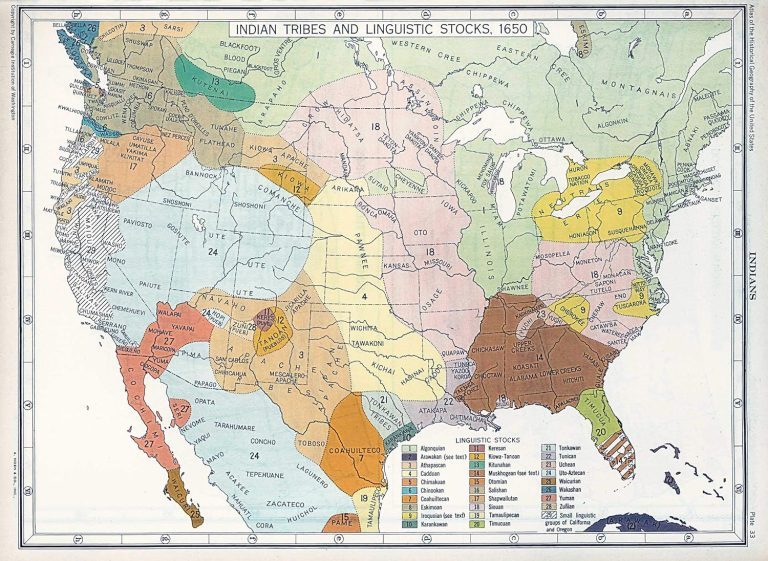
The Delaware Nation’s journey began in the eastern United States, specifically in the Delaware River Valley, encompassing parts of present-day Delaware, New Jersey, Pennsylvania, and New York. They were among the first Native American tribes to encounter European colonists. The arrival of Europeans brought significant changes, including disease, warfare, and land encroachment. Over time, the Delaware Nation was forced to migrate westward, facing numerous challenges along the way.
Successive treaties and land cessions led the Delaware Nation through Ohio, Indiana, Missouri, and Kansas before finally settling in Indian Territory, now Oklahoma. This forced migration, often referred to as the ‘Trail of Tears’ for other tribes, deeply impacted the Delaware people, disrupting their traditional way of life and cultural practices. Despite these hardships, the Delaware Nation maintained their identity and cultural values.
Establishment of the Delaware Nation Reservation in Oklahoma
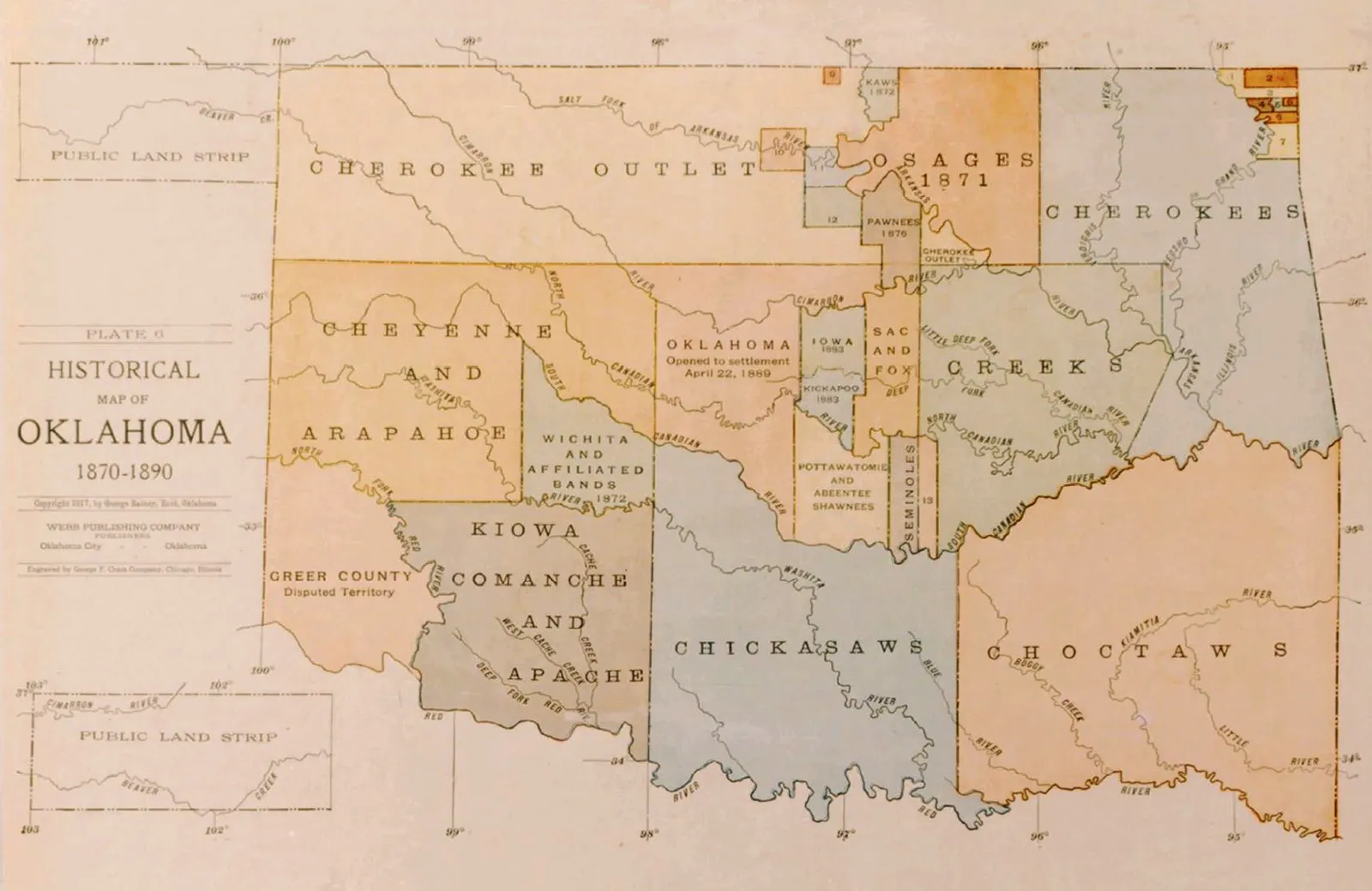
In the late 19th century, the Delaware Nation established a reservation in Indian Territory, which later became part of the state of Oklahoma. The reservation provided a land base for tribal members and a place to rebuild their community. However, the Dawes Act of 1887, which aimed to assimilate Native Americans by dividing communal tribal lands into individual allotments, further complicated matters. The Delaware Nation, like many other tribes, lost a significant portion of their land due to this policy.


Despite the challenges posed by allotment and assimilation policies, the Delaware Nation persevered. They maintained their tribal government and worked to preserve their culture and traditions. In the 20th century, the Delaware Nation actively sought to strengthen their sovereignty and self-governance.
Tribal Governance and Structure
- Education: Providing educational opportunities for tribal members, including scholarships and cultural programs.
- Health: Operating health clinics and providing healthcare services to tribal members.
- Housing: Developing and managing housing programs to ensure safe and affordable housing for tribal members.
- Economic Development: Promoting economic growth and creating job opportunities for tribal members.
- Cultural Preservation: Preserving and promoting the Delaware language, traditions, and cultural heritage.
The Delaware Nation Constitution outlines the structure and powers of the tribal government. Tribal laws and regulations govern various aspects of life on the reservation, including land use, taxation, and law enforcement. The Delaware Nation also has its own court system to resolve disputes and administer justice.
Culture and Traditions of the Delaware Nation
The Delaware Nation has a rich cultural heritage that is deeply rooted in their history and traditions. The Delaware language, also known as Lenape, is an Algonquian language that is closely tied to the tribe’s identity. Efforts are underway to revitalize the language and promote its use among tribal members.
Traditional Delaware culture emphasizes respect for nature, community, and elders. Storytelling, music, and dance play important roles in cultural expression. The Delaware Nation also has a rich tradition of arts and crafts, including beadwork, pottery, and basketry. These art forms are not only beautiful but also serve as a way to preserve and transmit cultural knowledge.
Ceremonies and celebrations are an integral part of Delaware culture. These events bring the community together and provide opportunities to honor traditions and celebrate important milestones. The Delaware Nation also participates in intertribal powwows, which are gatherings of Native American tribes from across the country. These powwows are a vibrant expression of Native American culture and a chance to share traditions and build relationships.
Economic Development and Opportunities

- Gaming: The Delaware Nation operates a casino that provides employment and generates revenue for tribal programs.
- Retail: The tribe owns and operates retail businesses that serve the community.
- Real Estate: The Delaware Nation is involved in real estate development projects.
In addition to tribal businesses, the Delaware Nation also promotes entrepreneurship and supports small businesses owned by tribal members. The tribe provides resources and training to help entrepreneurs start and grow their businesses. Economic development is seen as a key tool for building a stronger and more self-sufficient community.
Community Initiatives and Programs
- Education: The tribe offers scholarships, tutoring programs, and cultural education initiatives.
- Health: The Delaware Nation operates health clinics that provide medical, dental, and behavioral health services.
- Social Services: The tribe offers social services programs to assist families and individuals in need.
- Elderly Services: The Delaware Nation provides services and support to elders, ensuring they can live with dignity and respect.
- Youth Programs: The tribe offers youth programs that promote education, leadership development, and cultural awareness.
These community initiatives are designed to strengthen families, promote healthy lifestyles, and preserve the Delaware culture for future generations.
Contemporary Life on the Delaware Nation Reservation
Today, the Delaware Nation Reservation in Oklahoma is a vibrant community where tribal members work to preserve their heritage while building a better future. The tribe faces challenges, such as poverty, unemployment, and historical trauma. However, the Delaware Nation is committed to addressing these challenges and creating opportunities for its members.
The Delaware Nation actively participates in intertribal organizations and advocates for Native American rights. The tribe works to protect its sovereignty and ensure that its voice is heard on issues that affect Native American communities. The Delaware Nation also collaborates with other tribes and government agencies to address shared challenges and promote economic development.
Visiting the Delaware Nation Reservation
Visitors are welcome to learn more about the Delaware Nation and its culture. The tribe offers cultural tours and educational programs that provide insights into the history, traditions, and contemporary life of the Delaware people. It’s best to contact the Delaware Nation tribal office in advance to inquire about visiting and to learn about any specific protocols or guidelines.
When visiting, remember to be respectful of the community and its culture. Dress modestly, avoid loud or disruptive behavior, and ask permission before taking photographs. By being respectful and considerate, visitors can have a positive and enriching experience while learning about the Delaware Nation.
Frequently Asked Questions (FAQs)
A: The Delaware Nation Reservation is located in Anadarko, Oklahoma.
Q: How can I become a member of the Delaware Nation?
A: Membership requirements vary. Contact the Delaware Nation tribal office for specific details and application procedures. Generally, membership is based on lineal descent from a documented Delaware Nation ancestor.
Q: What are the main cultural events celebrated by the Delaware Nation?
A: The Delaware Nation celebrates various cultural events throughout the year, including traditional ceremonies, powwows, and community gatherings. These events provide opportunities to honor traditions, share culture, and build community.
Q: How does the Delaware Nation support its members?
A: The Delaware Nation provides a wide range of services and programs to support its members, including education, health, housing, social services, and cultural preservation initiatives. The tribe is committed to improving the quality of life for its members and preserving its cultural heritage.
Q: What is the Delaware Nation doing to preserve its language?
A: The Delaware Nation is actively involved in language revitalization efforts. The tribe offers language classes, creates language resources, and promotes the use of the Delaware language in schools and communities. These efforts are crucial for preserving the tribe’s cultural identity.
Conclusion
The Delaware Nation Reservation in Oklahoma is a testament to the resilience and determination of the Delaware people. Despite facing historical injustices and contemporary challenges, the Delaware Nation has persevered and continues to thrive. By preserving their culture, strengthening their government, and investing in their community, the Delaware Nation is building a brighter future for generations to come. Learning about the Delaware Nation offers valuable insights into Native American history, culture, and the ongoing struggle for self-determination.


