
The Sacred Breath of Diplomacy: Unveiling the Enduring Power of Indigenous Peace Pipes
The image is iconic, ingrained in popular culture: two figures, often adversaries, sharing a long-stemmed pipe, the smoke rising as a symbolic truce. This simplified, often romanticized depiction of the "peace pipe" barely scratches the surface of one of Indigenous North America’s most profound and intricate diplomatic instruments. Far from a mere prop for ending conflict, the pipe, or Calumet, was and remains a sacred conduit, a spiritual witness, and a binding force in complex inter-tribal relations and, crucially, in interactions with European newcomers. Understanding its true role requires looking beyond the smoke to the deep spiritual and cultural underpinnings that gave it unparalleled authority in Indigenous diplomacy.
At its heart, the "peace pipe" is a misnomer, an oversimplification coined by Europeans attempting to categorize a multifaceted spiritual tool. Indigenous peoples had, and have, a far more nuanced understanding. Among the Lakota, for instance, it is known as the Chanunpa (Čhaŋnúŋpa), a term that encompasses not just the physical object but the entire sacred ceremony surrounding it. The French, early in their North American encounters, adopted the term "Calumet" from an Algonquian word, and this term came to be widely used to describe the ceremonial pipe and its accompanying rituals across many tribes, from the Great Lakes to the Plains.
More Than a Vessel: A Living Sacred Object
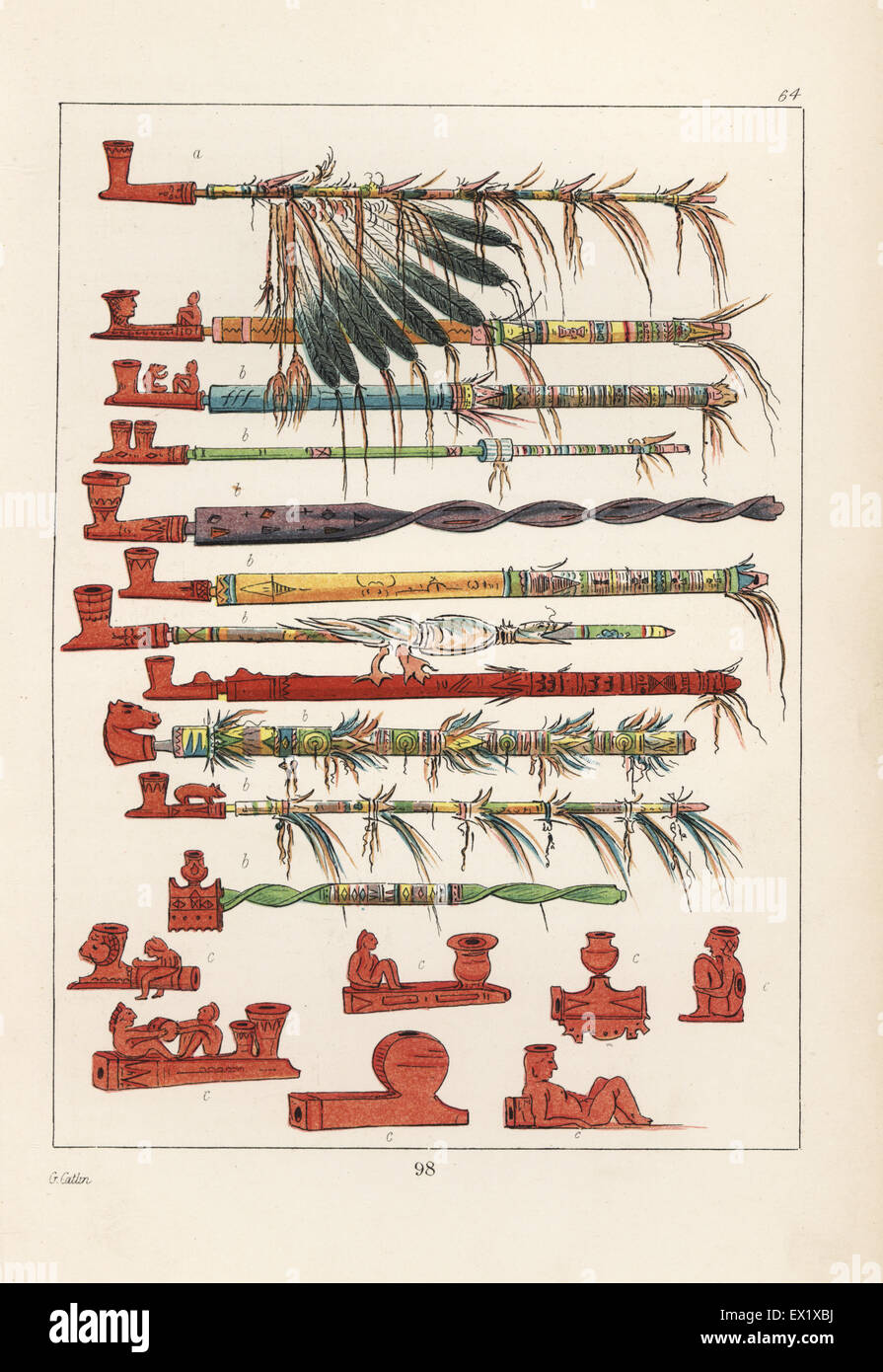
To Indigenous peoples, the Calumet was never just a pipe. It was a living entity, a spiritual tool, a connection to the Creator, the ancestors, and the land. Its construction itself was a sacred act, with each component carrying profound symbolism. The bowl, often carved from red pipestone (catlinite) found in quarries considered holy ground (like Pipestone National Monument in Minnesota), represented the earth, the heart of the people, and the red blood of all living things. The stem, meticulously crafted from wood and adorned with feathers, beads, and animal fur, symbolized the straight path of truth and honour, the connection between heaven and earth. The sacred tobacco or herbal mixture smoked within was not recreational; it was an offering, a prayer carried by the smoke to the Great Mystery.
"The Calumet," writes historian Dr. John C. Ewers, "was often regarded as a living thing, possessing its own spirit and power. It was carefully guarded, treated with reverence, and never used for ordinary smoking." This reverence meant that any agreement sealed by the pipe was not merely a secular contract but a sacred oath, witnessed by the spiritual world. To break such an agreement was not only a breach of trust with fellow humans but an affront to the Creator and a violation of the sacred order.


The Ritual of Diplomacy: Establishing Trust and Truth
The act of smoking the Calumet in a diplomatic context was a meticulously choreographed ritual designed to purify intentions, establish mutual respect, and invite spiritual endorsement. Before any serious negotiations could begin, the pipe ceremony would be initiated. The pipe keeper, often a revered elder or spiritual leader, would prepare the pipe with great care, often offering prayers and blessings.
The ceremony typically involved:
- Preparation: The pipe would be filled with sacred tobacco or a mixture of herbs.
- Offerings: Often, pinches of tobacco would be offered to the four cardinal directions, to the sky (Great Mystery/Creator), and to the earth (Mother Earth), acknowledging all aspects of creation.
- Lighting: The pipe would be lit, and the first puffs often directed towards the spiritual entities.
- Passing: The pipe would then be passed among the participants, each taking a few puffs. The order of passing, often clockwise, was significant, reinforcing the circular nature of life and community.
- Intent: As each person smoked, they were expected to hold only good thoughts, to speak truth, and to commit to the agreement being forged. The smoke itself was seen as carrying their prayers and intentions to the spiritual realm, making the agreement witnessed and binding by higher powers.
This ritual served several critical functions. It provided a shared sacred experience that transcended linguistic and cultural barriers. It created a space of profound trust, where participants were expected to lay aside animosity and approach discussions with open hearts and honest intentions. As the smoke rose, it was believed to purify the air, clearing away ill will and allowing truth to emerge. The gravity of the ceremony compelled participants to speak truthfully, knowing that false words uttered in the presence of the pipe would carry severe spiritual consequences.
Functions in Indigenous Diplomacy: From Alliances to Peace
The Calumet’s diplomatic applications were vast and varied, extending far beyond simply ending hostilities:
- Alliance Building: Tribes would share the pipe to forge military alliances against common enemies, creating bonds of kinship and mutual support.
- Peace Treaties: In times of conflict, the pipe was central to formal peace negotiations. Smoking the Calumet signified the cessation of hostilities and the beginning of a new relationship based on mutual respect.
- Trade Agreements: Economic relationships were often cemented through the pipe, ensuring fair exchange and safe passage for traders.
- Adoption Ceremonies: The pipe could be used to formally adopt individuals or even entire groups into a new nation, creating new kin relations and extending the network of mutual obligation.
- Safe Passage: Carrying a Calumet, especially one adorned for the purpose, often served as a diplomatic passport, signifying peaceful intent and granting safe passage through another tribe’s territory.
For example, the Haudenosaunee (Iroquois Confederacy), renowned for their complex diplomatic systems, utilized various wampum belts and ceremonial pipes to ratify agreements and communicate intentions, reinforcing their commitment to peace and alliances. Similarly, Plains tribes, often in dynamic interaction, relied heavily on the pipe to mediate disputes and form crucial alliances for buffalo hunts or defense.
The Calumet and European Encounters: A Bridge Often Misunderstood
When Europeans arrived, they quickly recognized the Calumet’s significance, albeit often without fully grasping its spiritual depth. French explorers and traders, in particular, adopted its use in their own diplomatic efforts, understanding that sharing the pipe was the most effective way to initiate peaceful relations and secure alliances with various Indigenous nations. Figures like Father Jacques Marquette and Louis Jolliet famously used the Calumet during their explorations of the Mississippi River in the 1670s, realizing it was essential for safe passage and establishing trust.
However, a fundamental disconnect persisted. While Indigenous peoples viewed the pipe ceremony as a binding spiritual oath, many Europeans saw it as a quaint custom, a formality, or merely a symbolic gesture of goodwill. This profound misunderstanding had tragic consequences. European powers frequently entered into treaties "sealed" by the pipe, only to later disregard them, operating under a different legal and spiritual framework. This erosion of trust, born from a failure to comprehend the sacred weight of the Calumet, led to generations of broken promises, land dispossession, and conflict.
"For Indigenous nations, the pipe ceremony was a sacred covenant, witnessed by the Creator and ancestors," notes contemporary Indigenous scholar Dr. Leanne Betasamosake Simpson. "For Europeans, it was often just another signature on a document they had no intention of upholding in the long term, a cultural curiosity rather than a binding spiritual commitment." This disparity in understanding fundamentally undermined the basis of early Indigenous-European diplomacy.
The Enduring Legacy: Resilience and Revitalization
Despite centuries of colonial suppression, attempts to eradicate Indigenous spiritual practices, and the devastating impact of broken treaties, the Calumet has endured. It stands today as a powerful symbol of Indigenous resilience, identity, and sovereignty. In many Indigenous communities across North America, the tradition of the sacred pipe continues to be practiced, serving as a vital link to ancestral ways and a tool for contemporary challenges.
Today, the Calumet is used in healing ceremonies, community gatherings, and inter-tribal events. It plays a role in fostering reconciliation, facilitating dialogue, and promoting understanding within Indigenous nations and between Indigenous and non-Indigenous peoples. Its presence signifies respect, honour, and a commitment to truth-telling, embodying the timeless values that underpinned its use in diplomacy for millennia. Elders teach younger generations about the pipe’s sacredness, its protocols, and its profound significance, ensuring that this vital aspect of cultural heritage is not lost.
Conclusion: A Path Forward in Sacred Smoke
The "peace pipe," properly understood as the Calumet or Chanunpa, is far more than a historical artifact or a simplistic symbol. It is a testament to sophisticated Indigenous diplomatic systems, built on spiritual principles of truth, respect, and interconnectedness. It served as the ultimate instrument for forging alliances, resolving conflicts, and binding nations in sacred agreements, witnessed by the Creator and the spiritual world.
Its legacy is not just one of historical interaction but a living tradition that continues to guide Indigenous peoples today. As the world grapples with complex global challenges, the enduring message of the Calumet – of seeking truth, fostering understanding, and honouring agreements with a sacred commitment – offers profound lessons. It reminds us that true diplomacy requires not just negotiation, but a shared space of reverence, mutual respect, and a deep understanding of the values that bind us, carried aloft on the sacred breath of smoke.


