
The Citizen Potawatomi Nation (CPN) is a federally recognized Native American tribe with a significant presence in Oklahoma. Understanding the Citizen Potawatomi Nation Reservation is crucial for anyone interested in Native American history, Oklahoma’s cultural landscape, or tribal sovereignty. This article provides a comprehensive overview of the CPN Reservation, its history, governance, community, and more.
What is the Citizen Potawatomi Nation?
The Citizen Potawatomi Nation is a self-governing tribe with its headquarters located in Shawnee, Oklahoma. Descendants of the Potawatomi, a Great Lakes tribe, the Citizen Potawatomi Nation has a rich history marked by resilience and adaptation. They are one of the largest tribes in Oklahoma and wield considerable economic and political influence.
A Brief History of the Citizen Potawatomi Nation
The Potawatomi people originally inhabited the Great Lakes region of the United States. Due to treaties and forced removal policies by the U.S. government in the 19th century, they were displaced westward. A significant portion of the tribe eventually settled in present-day Oklahoma. This forced migration, known as the Potawatomi Trail of Death, is a dark chapter in American history. The Citizen Potawatomi Nation, as it is known today, was formally established following these events.
The Establishment of the Reservation
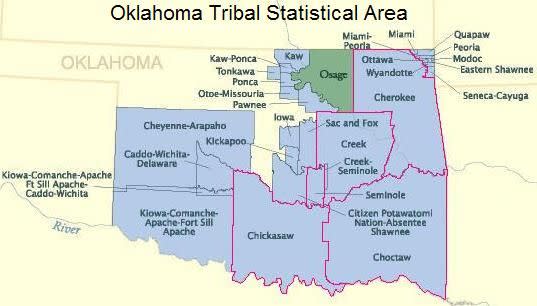
The Citizen Potawatomi Nation Reservation, while not a traditional reservation in the sense of contiguous land held in trust by the federal government, consists of a designated tribal jurisdictional area. This area allows the CPN to exercise its sovereign rights and govern its citizens and affairs. It’s important to understand that tribal jurisdictional areas can differ from the reservations of other tribes.
The Citizen Potawatomi Nation’s jurisdictional area is primarily located in and around Shawnee, Oklahoma. Shawnee serves as the tribal headquarters and the center of many of the tribe’s governmental, economic, and cultural activities. The tribe also has various enterprises and holdings throughout Oklahoma and beyond.
Governance and Sovereignty
The Citizen Potawatomi Nation operates under its own constitution and laws. It has a democratically elected government consisting of an Executive Branch, a Legislative Branch (Tribal Legislature), and a Judicial Branch (Tribal Court). The tribe’s government is responsible for providing services to its citizens, managing tribal assets, and representing the tribe’s interests in dealings with other governments and organizations.
Tribal sovereignty is a core principle for the CPN. This inherent right allows the tribe to govern itself, define its membership, and administer its own justice system. The CPN actively protects and exercises its sovereignty through various means, including legal advocacy, intergovernmental agreements, and economic development.
Key Governmental Bodies
- Executive Branch: Led by the Tribal Chairman, the Executive Branch is responsible for implementing tribal laws and policies.
- Legislative Branch: The Tribal Legislature is responsible for enacting laws and appropriating funds.
- Judicial Branch: The Tribal Court adjudicates legal disputes arising within the tribe’s jurisdiction.
Economic Impact of the Citizen Potawatomi Nation
The Citizen Potawatomi Nation is a major economic force in Oklahoma. The tribe operates numerous businesses, including casinos, hotels, retail stores, and manufacturing facilities. These enterprises employ thousands of people and generate significant revenue for the tribe and the state. The CPN reinvests its profits into programs and services that benefit its citizens, such as healthcare, education, and housing.


Major Tribal Enterprises
- FireLake Casino: A popular gaming destination in Shawnee.
- Citizen Potawatomi Community Development Corporation: Focuses on economic development and job creation.
- First National Bank & Trust Co.: A tribally owned bank serving the community.
Community and Culture
The Citizen Potawatomi Nation places a strong emphasis on preserving and promoting its culture and traditions. The tribe operates several cultural centers and museums that showcase Potawatomi history, art, and language. Language revitalization programs are also a key priority, as the tribe works to ensure that the Potawatomi language is passed down to future generations.
Cultural Preservation Efforts
- Cultural Heritage Center: A museum dedicated to preserving and showcasing Potawatomi culture.
- Language Department: Offers language classes and resources for tribal members.
- Traditional Arts Programs: Supports the creation and preservation of traditional Potawatomi art forms.
Services and Programs for Tribal Members
The Citizen Potawatomi Nation provides a wide range of services to its citizens, including healthcare, education, housing assistance, and social services. The tribe operates its own healthcare system, which provides comprehensive medical care to tribal members. Educational programs include scholarships, grants, and tutoring services. Housing assistance programs help tribal members secure safe and affordable housing.
Healthcare Services
The CPN operates a comprehensive healthcare system that includes a hospital, clinics, and wellness programs. These services are available to tribal members and their families. The tribe is committed to providing high-quality healthcare that is culturally sensitive and responsive to the needs of the community.
Educational Opportunities
The Citizen Potawatomi Nation invests heavily in education, offering a variety of programs to support tribal members at all levels of education. These programs include scholarships, grants, tutoring, and cultural enrichment activities. The tribe also partners with local schools and universities to promote Native American education.
Housing Assistance
The CPN provides housing assistance to tribal members through various programs, including rental assistance, homeownership assistance, and housing rehabilitation. The tribe is committed to ensuring that all tribal members have access to safe and affordable housing.
The Future of the Citizen Potawatomi Nation
The Citizen Potawatomi Nation is committed to building a strong and sustainable future for its citizens. The tribe is focused on economic diversification, cultural preservation, and strengthening its sovereignty. By investing in its people and its resources, the CPN is positioning itself for continued success in the years to come.
Economic Diversification
The CPN is actively diversifying its economy to reduce its reliance on gaming revenue. The tribe is investing in new businesses and industries, such as renewable energy, technology, and agriculture. This diversification will help to create new jobs and opportunities for tribal members.
Strengthening Sovereignty
The CPN is committed to protecting and strengthening its sovereignty. The tribe is actively involved in legal and political advocacy to defend its rights and interests. The CPN also works to build strong relationships with other governments and organizations.
How to Learn More About the Citizen Potawatomi Nation
There are many ways to learn more about the Citizen Potawatomi Nation. You can visit the tribe’s website, attend a cultural event, or visit the Cultural Heritage Center. You can also read books and articles about Potawatomi history and culture. Engaging with the tribe directly is always a great way to learn and understand their unique story.
Visiting the Citizen Potawatomi Nation
Visitors are welcome to explore the Citizen Potawatomi Nation and learn about its history and culture. The tribe offers a variety of attractions and activities, including museums, casinos, and cultural events. When visiting, it’s important to be respectful of tribal customs and traditions.
Key Things to Remember When Visiting
- Respect Tribal Customs: Be mindful of local customs and traditions.
- Support Tribal Businesses: Patronize tribally owned businesses to support the local economy.
- Learn About the History: Take time to learn about the history and culture of the Citizen Potawatomi Nation.
Conclusion
The Citizen Potawatomi Nation Reservation in Oklahoma is a vibrant community with a rich history and a bright future. The tribe’s commitment to cultural preservation, economic development, and self-governance makes it a model for other Native American tribes. By understanding the CPN’s history, governance, and community, we can gain a deeper appreciation for the contributions of Native Americans to Oklahoma and the nation as a whole. The Citizen Potawatomi Nation stands as a testament to resilience, sovereignty, and cultural pride.


