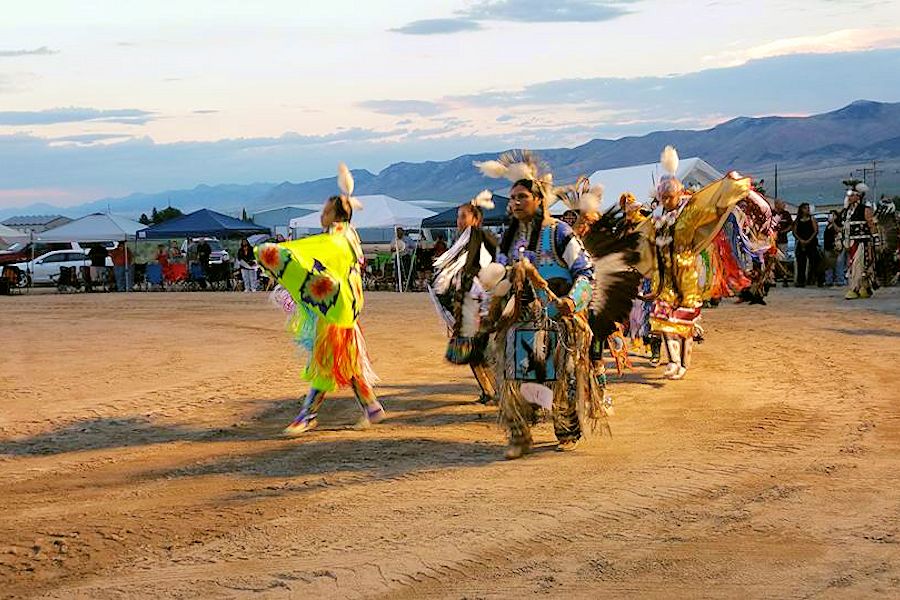

The vast and captivating landscapes of Nevada hold stories of millennia, etched into its mountains, valleys, and high desert plains. Among the most profound of these narratives is that of the Indigenous peoples who have called this land home for generations. Central to this rich tapestry is the Ely Shoshone Tribe, whose federally recognized reservation stands as a testament to enduring heritage and contemporary strength in White Pine County, Nevada.
For those seeking to understand the true spirit of the Great Basin, learning about the Ely Shoshone Tribe Reservation is an essential journey. It offers a window into the lives, traditions, and sovereignty of a people deeply connected to their ancestral lands.
A Glimpse into the Past: Ancestral Roots and Traditional Territories
The Shoshone people, a prominent Native American group, have a profound and ancient history across the Western United States. The Ely Shoshone are part of the larger Western Shoshone Nation, whose traditional territories spanned vast areas of what is now Nevada, Utah, California, Idaho, and Wyoming.
Before the arrival of Euro-American settlers, the Shoshone lived a nomadic or semi-nomadic lifestyle, expertly adapting to the challenging yet abundant environment of the Great Basin. Their existence was intrinsically linked to the land, relying on seasonal cycles for hunting game like deer and rabbits, and gathering a diverse array of plant foods, including pine nuts, roots, and berries.
This deep connection fostered a sophisticated understanding of the ecosystem, guiding their sustainable practices and shaping their spiritual beliefs. Every mountain, stream, and plant held significance, contributing to a holistic worldview that emphasized balance and respect for nature.
The Impact of Western Expansion and Treaty Eras
The 19th century brought dramatic and often devastating changes to the Shoshone way of life. The westward expansion of the United States, driven by the California Gold Rush and subsequent mining booms, led to an influx of settlers, prospectors, and ranchers into Shoshone lands.
This period was marked by conflicts, displacement, and the severe disruption of traditional subsistence patterns. Despite resistance and resilience, the Shoshone, like many other Indigenous nations, faced immense pressure to cede their territories and adopt new ways of living.
While treaties like the Ruby Valley Treaty of 1863 acknowledged Shoshone land rights, they were often misinterpreted or violated by the U.S. government, leading to further land loss and the eventual establishment of smaller, designated reservation lands.
The Establishment of the Ely Shoshone Reservation
The Ely Shoshone Reservation itself was established through a series of federal actions, ultimately affirmed in the early 20th century. Located just west of the city of Ely in White Pine County, the reservation encompasses approximately 10,480 acres.
This land, though a fraction of their ancestral domain, became a sanctuary and a foundation for the tribe to rebuild, preserve their culture, and assert their right to self-governance. It represents a physical and spiritual homeland for its members.
Cultural Vibrancy: Language, Traditions, and Community
Despite historical pressures to assimilate, the Ely Shoshone Tribe has maintained a vibrant cultural identity. Cultural preservation is a cornerstone of tribal efforts, ensuring that traditions are passed down through generations.

Language Revitalization: The Shoshone language is an integral part of their heritage. The tribe actively works on language revitalization programs, teaching younger generations the words and stories of their ancestors, recognizing that language is a direct link to cultural understanding and identity.
Traditional Arts and Crafts: Skills like basket weaving, beadwork, and storytelling continue to thrive. These artistic expressions are not merely decorative; they carry deep cultural meanings, often depicting historical events, spiritual beliefs, and the natural world.
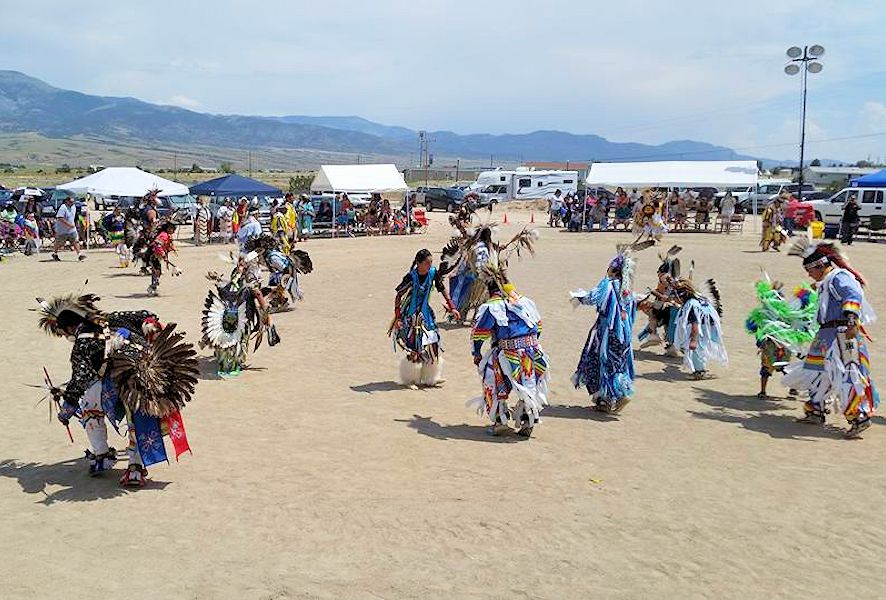
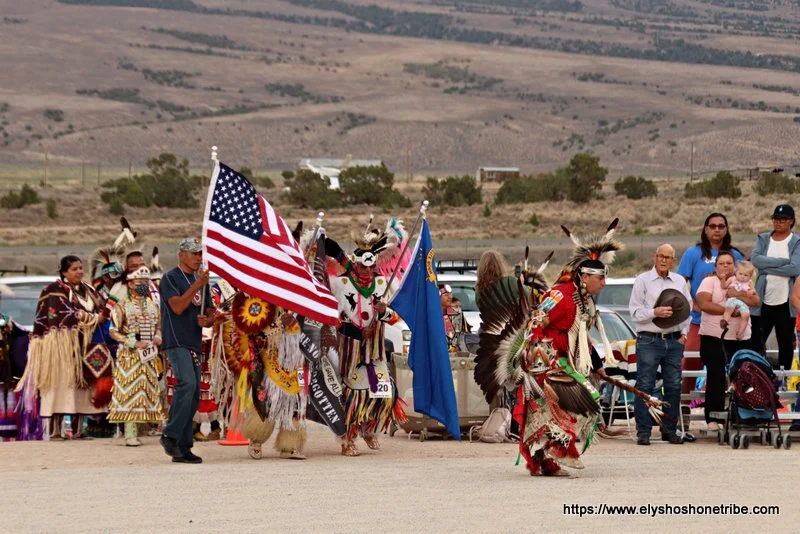
Ceremonies and Gatherings: The tribe hosts various cultural events and ceremonies throughout the year, fostering community bonds and celebrating their heritage. These gatherings often include traditional dances, songs, and feasts, allowing both tribal members and respectful visitors to experience the richness of Shoshone culture.
Governance and Self-Determination in the Modern Era
The Ely Shoshone Tribe operates as a sovereign nation, exercising its inherent right to self-governance. The tribal government, typically led by a Tribal Council, is responsible for the welfare and administration of its members and lands.
This self-determination allows the tribe to create laws, manage resources, and develop programs that directly address the unique needs and aspirations of its community. It’s a continuous journey of asserting sovereignty and building a strong, independent future.
Economic Development: Building a Sustainable Future
Like many Native American tribes, the Ely Shoshone have strategically pursued economic development to create jobs, generate revenue, and improve the quality of life for their members. These initiatives are crucial for achieving economic self-sufficiency.
Gaming Enterprises: The tribe operates the Ely Shoshone Casino, a significant economic engine that provides employment opportunities and funds essential tribal services. It stands as a symbol of tribal enterprise and a commitment to community investment.
Other Ventures: The tribe also explores other economic avenues, including potential resource management, small businesses, and partnerships that align with their values and contribute to the local economy of White Pine County.
Community Services: Supporting Tribal Members
The tribal government is dedicated to providing comprehensive services to its members, ensuring access to vital resources and opportunities. These services are tailored to meet the specific needs of the community.
- Healthcare: Access to medical and dental services is a priority, often provided through tribal clinics or partnerships with regional health providers.
- Education: Programs support academic achievement from early childhood through higher education, including scholarships and cultural education initiatives.
- Housing: Efforts are made to provide safe, affordable, and culturally appropriate housing for tribal families.
- Social Services: Programs addressing elder care, youth development, and family support are crucial for community well-being.
Environmental Stewardship: Guardians of the Land
The Ely Shoshone Tribe maintains a profound connection to the land, viewing themselves as stewards responsible for its care and preservation. Their traditional ecological knowledge guides their approach to natural resource management.
This includes active participation in discussions and initiatives concerning land use, water rights, and environmental protection within their reservation and surrounding ancestral areas. Their voice is vital in ensuring the long-term health of Nevada’s unique ecosystems.
Challenges and Resilience: A Continuing Journey
The journey of the Ely Shoshone Tribe has not been without its challenges. Historical injustices, socio-economic disparities, and ongoing struggles for recognition and resources continue to impact Indigenous communities across the nation.
However, the Ely Shoshone stand as a powerful example of resilience, determination, and cultural strength. Their unwavering commitment to their heritage, their people, and their future is a beacon of hope and a model for self-empowerment.
Visiting and Learning More
While the reservation is primarily a private community for tribal members, respectful engagement and education are encouraged. Learning about the Ely Shoshone Tribe can involve supporting tribal businesses, attending public cultural events (when announced), and seeking out educational resources.
Understanding their history and contemporary life fosters greater appreciation for Indigenous cultures and the diverse heritage of Nevada. It’s an opportunity to move beyond stereotypes and embrace the rich complexity of American history.
Conclusion: A Legacy of Strength and Sovereignty
The Ely Shoshone Tribe Reservation in Nevada is more than just a geographical location; it is a living testament to a people’s enduring spirit, cultural richness, and unwavering commitment to sovereignty. From their ancient roots in the Great Basin to their modern endeavors in self-governance and economic development, the Ely Shoshone continue to shape their destiny.
Their story is a vital part of Nevada’s identity and a powerful reminder of the importance of respecting Indigenous cultures, supporting tribal self-determination, and recognizing the invaluable contributions of Native American nations to the fabric of the United States. The legacy of the Ely Shoshone is one of strength, resilience, and a profound connection to the land they call home.


