

Echoes of Eternity: Traditional Native American Ceremonies Marking Life’s Sacred Journey
From the arid plains to the lush Pacific Northwest, from the frozen North to the sun-drenched Southwest, a tapestry of distinct Indigenous cultures has thrived across North America for millennia. Despite the immense diversity among the over 574 federally recognized tribes in the United States alone, and countless more in Canada and Mexico, a profound thread unites them: the deep reverence for life’s cyclical nature, marked by sacred ceremonies that honor significant life events. These traditions, far from being relics of the past, are vibrant, living practices that continue to anchor communities, transmit wisdom, and guide individuals through the transformative passages of existence.
At the heart of Native American ceremonies lies a holistic worldview, one that recognizes the profound interconnectedness of all things – human beings, the natural world, the spirit realm, and the ancestors. Life is not a linear progression but a sacred hoop, a continuous cycle of birth, growth, death, and rebirth. Ceremonies, therefore, are not merely rituals but vital acts of participation in this cosmic dance, ensuring balance, fostering community, and facilitating spiritual growth. Elders, as keepers of wisdom and tradition, play an indispensable role, guiding these practices and passing down knowledge through generations, often through oral traditions, songs, and dances.
Welcoming New Life: Birth and Naming Ceremonies
The arrival of a new child is universally celebrated, but in Native American traditions, it is often imbued with a profound spiritual significance, marking the continuation of the lineage and the spirit’s journey. Before birth, expectant mothers might participate in ceremonies designed to bless both mother and child, ensuring a safe delivery and a healthy start. For the Diné (Navajo) people, for instance, a "Blessingway" ceremony might be performed, a powerful ritual aimed at restoring balance and harmony, setting the stage for a positive future for the unborn child and the family.
Once born, a child is seen as a new spirit entering the community, often bringing with them gifts and a unique purpose. Naming ceremonies vary widely but are universally significant. In some cultures, a child might receive a temporary name at birth and then, later in life, earn a new name reflecting their character, an important event, or a spiritual vision. These names are not mere labels; they are often deeply symbolic, connecting the individual to their ancestral heritage, the natural world, or a specific spiritual path. For the Lakota, for example, names are often chosen by a respected elder or a medicine person, sometimes revealed through a dream or vision, and are believed to carry power and influence the child’s destiny. The act of giving a name is a communal recognition of the child’s identity and their place within the sacred hoop of life.

Stepping into Adulthood: Coming-of-Age Ceremonies
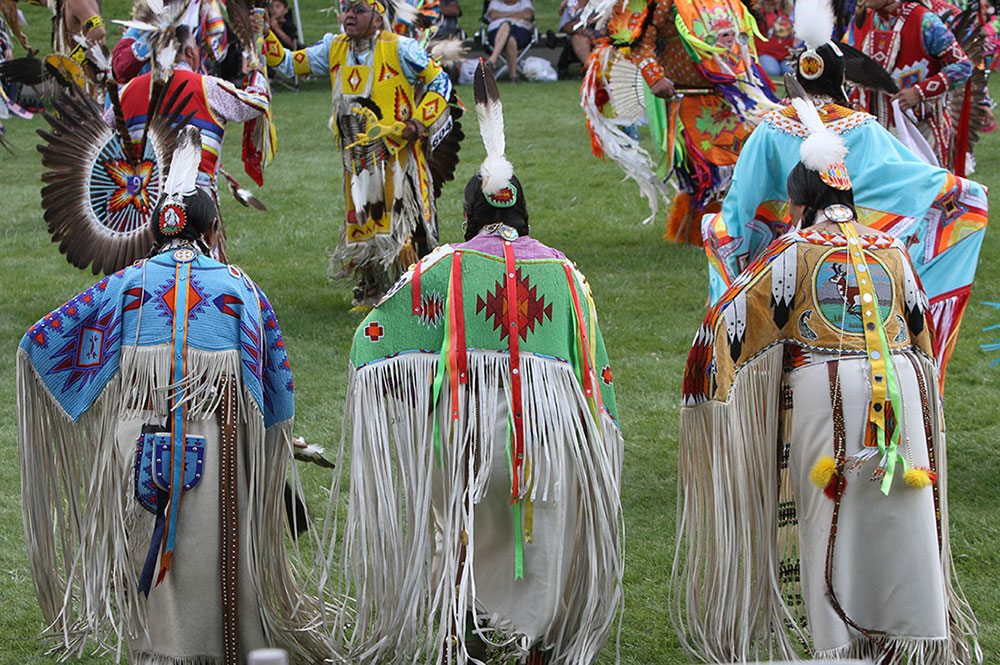
Perhaps among the most recognized and powerful life event ceremonies are those marking the transition from childhood to adulthood. These rites of passage are crucial for instilling responsibility, teaching cultural values, and preparing young individuals for their roles within the community.
One of the most elaborate and well-documented coming-of-age ceremonies is the Diné (Navajo) Kinaalda, a four-day ceremony for adolescent girls marking their transition into womanhood, traditionally at the onset of their first menstruation. The Kinaalda reenacts the journey of Changing Woman, a revered figure in Navajo cosmology who embodies the cycles of life, growth, and transformation. During the ceremony, the girl grinds corn, runs daily to build stamina and character, and receives blessings and instruction from older women. She is seen as embodying Changing Woman, capable of bringing blessings and prosperity to her family and community. The ceremony culminates in a symbolic hair washing and a community feast, affirming her new status and her sacred role as a life-giver.
For young men, particularly in many Plains and Great Lakes tribes, the Vision Quest (Hanbleceya in Lakota) serves as a profound rite of passage. Typically, a young man (or sometimes a woman) will retreat to a solitary, sacred place for several days, often without food or water, to pray, fast, and seek guidance from the spirit world. The purpose is to gain spiritual insight, discover one’s purpose, and receive a vision or a guardian spirit that will guide them throughout their life. It is a deeply personal and often arduous journey, demanding immense spiritual and physical fortitude, preparing the individual for the responsibilities and challenges of adult life. As one elder might say, "The Vision Quest is not about finding yourself; it’s about creating yourself."
Uniting Souls: Marriage and Union
While Western societies often emphasize elaborate marriage ceremonies, traditional Native American unions historically often focused less on grand spectacle and more on the practical integration of two individuals and their families into a cohesive community unit. Many traditional unions were rooted in family alliances, economic considerations, and the complementary roles individuals would play within the tribe.
However, this does not diminish their sacred nature. Many cultures observed practices that honored the union. For some, it might involve the exchange of gifts between families, a symbolic sharing of food, or the blessing of elders. The joining of two people was seen as strengthening the community as a whole, ensuring the continuation of families and the propagation of cultural knowledge. In modern times, many Native American couples choose to incorporate elements of their ancestral traditions into contemporary wedding ceremonies, such as pipe ceremonies, smudging with sacred herbs like sage or sweetgrass for purification, or the tying of hands with symbolic cords, signifying the unbreakable bond of partnership. The emphasis remains on commitment, mutual respect, and the support of the wider community.
Restoring Balance: Healing and Wellness Ceremonies
Native American approaches to health are fundamentally holistic, understanding that well-being encompasses physical, mental, emotional, and spiritual harmony. Illness is often seen as an imbalance, a disruption in the sacred connection to self, community, or the natural world. Therefore, healing ceremonies are not merely about curing symptoms but about restoring balance and harmony on all levels.


The Sweat Lodge ceremony, known by various names across different tribes (e.g., Inipi in Lakota), is one of the most widespread and fundamental healing and purification rituals. Participants enter a dome-shaped lodge, often constructed from natural materials and covered with blankets, where hot stones are placed in a central pit. Water is poured over the stones, creating steam and intense heat. Guided by a lodge leader, participants pray, sing, and reflect, purifying their bodies, minds, and spirits. It is a powerful experience of rebirth, shedding negativity and reconnecting with the earth, water, fire, and air.
Beyond the Sweat Lodge, many tribes have specific healing ceremonies conducted by medicine people or spiritual leaders, often involving specific songs, dances, herbs, and prayers tailored to the individual’s ailment and the cultural context. These ceremonies emphasize community support, the power of intention, and the belief in the sacred healing energies of the universe. As a Cheyenne elder once said, "Our ceremonies are not just rituals; they are pathways to healing, to remembering who we are, and to finding our balance with the world."
The Final Journey: Death and Mourning
Death, in Native American traditions, is not viewed as an end but as a transition, a return to the spirit world, and another stage in the sacred cycle of existence. Ceremonies surrounding death and mourning are designed to honor the deceased, comfort the living, and guide the spirit on its journey. Practices vary significantly, but common themes include acknowledging grief, providing support for the bereaved family, and ensuring the spirit’s peaceful passage.
For some tribes, elaborate wakes or memorial feasts might be held, sometimes lasting several days, involving storytelling, singing, and communal meals to celebrate the life of the departed. The Lakota, for example, have a "Wiping of the Tears" ceremony, performed typically a year after a death, which helps to formally release the grieving family from their mourning and re-integrate them into the full life of the community. Grave goods, personal belongings, or offerings might be placed with the deceased to accompany them into the spirit world. The understanding is that the ancestors remain connected to the living, and ceremonies often serve to maintain this vital link, ensuring that their wisdom and guidance continue to flow.
Enduring Legacy and Modern Revival
The profound wisdom embedded in Native American life event ceremonies faced immense challenges due to colonization, forced assimilation, and the outright suppression of Indigenous spiritual practices. The infamous "Indian Civilization Act" and the establishment of residential/boarding schools actively sought to eradicate Native languages, religions, and cultural practices, tearing children from their families and heritage.
Yet, despite generations of persecution, these sacred traditions have endured. The resilience of Indigenous peoples has led to a powerful resurgence of cultural pride and the revitalization of ceremonies. Elders and cultural practitioners, often working tirelessly, have brought back forgotten songs, dances, and rituals, teaching younger generations the profound significance of their heritage. Today, these ceremonies are not just acts of remembrance; they are acts of resistance, healing, and cultural affirmation. They provide a vital sense of identity, community, and purpose in a rapidly changing world.
In a society often fragmented and searching for meaning, the enduring wisdom of Native American ceremonies offers profound lessons. They remind us of the sacredness of every life stage, the importance of community, the interconnectedness of all beings, and our responsibility to live in harmony with the natural world. They are a testament to the human spirit’s capacity for resilience, a vibrant continuum of ancient wisdom echoing through eternity, guiding individuals and communities along life’s sacred journey.


