

The Duckwater Shoshone Tribe Reservation, nestled in the remote and picturesque landscape of central Nevada, represents a vital center of Native American culture, history, and ongoing resilience. This comprehensive article delves into the multifaceted aspects of the reservation, from its ancestral roots and unique geographical features to its vibrant community life and contemporary challenges.
For centuries, the Shoshone people have inhabited the Great Basin region, developing a profound connection to the land and its resources. The Duckwater Shoshone, also known as the Tukudika or ‘Eater of Pine Nuts,’ are one of several Shoshone bands whose traditional territories spanned vast areas of what is now Nevada, Utah, Idaho, and California.
Their historical presence is deeply etched into the very fabric of the landscape, with ancestral lifeways revolving around hunting, gathering, and a seasonal migration pattern that optimized access to vital food sources like pine nuts, seeds, roots, and game.
Establishment of the Duckwater Shoshone Reservation
The formal establishment of the Duckwater Shoshone Reservation came about in the late 19th and early 20th centuries, a period marked by significant shifts in federal Indian policy. Prior to this, the Shoshone, like many Indigenous peoples, faced immense pressures from westward expansion and resource exploitation.
The reservation was officially created by Executive Order in 1940, encompassing approximately 3,240 acres of land. This designated territory, while a fraction of their aboriginal lands, provided a protected homeland where the tribe could maintain their identity and sovereignty.

Geography and Unique Ecosystem of Duckwater
Located in Nye County, Nevada, the Duckwater Shoshone Reservation is characterized by its stunning, albeit arid, high desert environment. The reservation’s name itself, ‘Duckwater,’ is a direct reference to its most prominent natural feature: the pristine Duckwater Spring.
This remarkable spring system, fed by underground aquifers, is a true oasis in the desert, providing a constant source of fresh water that sustains a unique wetland ecosystem. The spring is crucial not only for human habitation but also for a diverse array of flora and fauna.
The Duckwater Spring is home to several endemic species, most notably the Duckwater cui-ui (Chasmistes muriei), a rare fish species found nowhere else in the world. This makes the reservation a significant site for biodiversity and conservation efforts.
The surrounding desert landscape, including the Hot Creek Range, offers a stark contrast to the verdant spring area, with its sagebrush flats, pinyon-juniper woodlands, and rugged mountains. This diverse terrain supported the traditional Shoshone economy and continues to offer valuable resources.
Vibrant Culture and Enduring Traditions
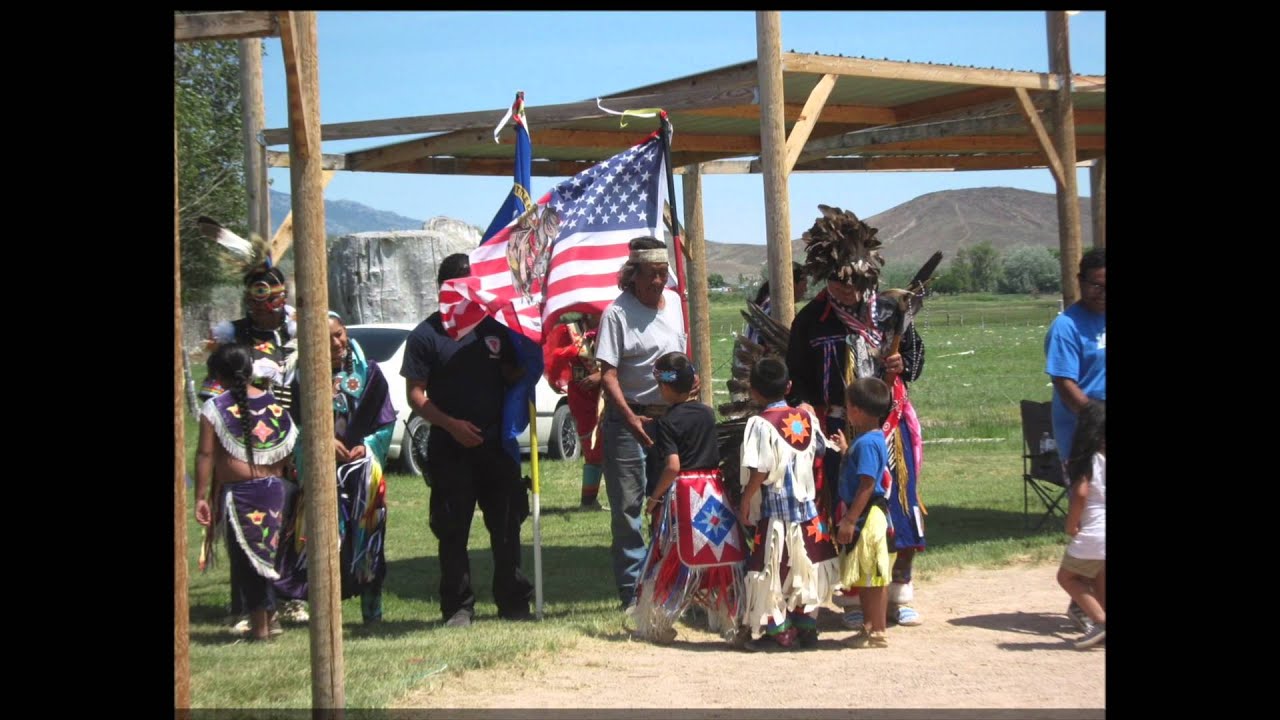
The Duckwater Shoshone Tribe is deeply committed to preserving and promoting its rich cultural heritage. Language, storytelling, ceremonies, and traditional arts remain central to community life, ensuring that ancestral knowledge is passed down through generations.
The Shoshone language, a Central Numic language of the Uto-Aztecan family, is actively taught and encouraged, serving as a vital link to the past and a cornerstone of cultural identity. Efforts are made to revitalize the language among younger tribal members.
Traditional ceremonies and spiritual practices continue to be observed, reflecting the deep reverence the Shoshone people hold for the natural world and their ancestors. These gatherings strengthen community bonds and reinforce cultural values.


Art forms such as basket weaving, beadwork, and traditional regalia crafting are not merely decorative; they are expressions of identity, history, and spiritual connection. These crafts often incorporate symbols and patterns that tell stories and convey cultural meanings.
Tribal Governance and Economic Development
The Duckwater Shoshone Tribe operates as a sovereign nation, exercising self-governance through its Tribal Council. This council is responsible for the welfare of its members, managing tribal lands, and developing economic opportunities.
Economic development initiatives on the reservation often focus on sustainable practices that align with their cultural values and environmental stewardship. Agriculture, particularly hay farming, is a significant economic activity, utilizing the abundant spring water.
The tribe also explores opportunities in tourism, cultural preservation projects, and natural resource management. Balancing economic growth with the protection of their unique environment and cultural heritage is a constant priority.
Community Life and Services
Life on the Duckwater Shoshone Reservation is characterized by a strong sense of community and mutual support. The tribe provides various essential services to its members, including healthcare, education, and social programs.
Education is highly valued, with efforts to integrate cultural teachings alongside conventional academic curricula. The goal is to prepare younger generations for the future while grounding them firmly in their heritage.
Community events, such as powwows, cultural festivals, and traditional gatherings, play a crucial role in reinforcing tribal identity and providing opportunities for celebration, education, and social interaction.
Conservation and Environmental Stewardship
The Duckwater Shoshone Tribe is a leading example of environmental stewardship. The protection of Duckwater Spring and its unique inhabitants, particularly the cui-ui fish, is a paramount concern. The tribe actively manages the spring to ensure its ecological integrity.
Conservation efforts extend to the broader reservation lands, focusing on sustainable land use practices, wildlife management, and the preservation of native plant species. Their traditional ecological knowledge informs many of these initiatives.
Addressing Common Questions (People Also Ask)
What is the population of the Duckwater Shoshone Tribe? The population residing on the reservation is relatively small, typically ranging from 100 to 200 members, though total tribal enrollment may be higher. This close-knit community fosters strong intergenerational ties.
What is the history of the Shoshone Tribe in Nevada? The Shoshone have an extensive history in Nevada, dating back thousands of years. They are indigenous to the Great Basin, adapting to its harsh conditions and developing sophisticated cultural practices long before European contact. The Duckwater Shoshone are one distinct band within this larger tribal group.
What are some current initiatives on the Duckwater Reservation? Current initiatives often include language revitalization programs, youth cultural camps, sustainable agriculture projects, infrastructure improvements, and ongoing efforts to protect the Duckwater Spring ecosystem.
Can visitors access the Duckwater Shoshone Reservation? Access to tribal lands is generally restricted and requires permission from the Tribal Council. The reservation is not typically open for general tourism, but specific cultural or research visits might be arranged by contacting tribal authorities directly. Respect for tribal sovereignty and privacy is paramount.
What unique natural features are found on the Duckwater Reservation? The most unique feature is undoubtedly the Duckwater Spring and its associated wetlands, which host endemic species like the Duckwater cui-ui fish. The surrounding high desert landscape, with its pinyon-juniper forests and diverse wildlife, also contributes to its ecological significance.
The Duckwater Shoshone Reservation stands as a testament to the enduring spirit and cultural richness of Native American peoples. It is a place where history lives, traditions thrive, and the connection between people and land remains unbroken.
From the life-giving waters of Duckwater Spring to the strength of its community, the reservation continues to navigate the complexities of the modern world while holding firm to its ancestral roots. It serves as a powerful reminder of Indigenous resilience and sovereignty.
The story of the Duckwater Shoshone Tribe is one of adaptation, perseverance, and a deep commitment to preserving their unique identity for future generations. Their contributions to Nevada’s cultural and ecological landscape are invaluable.


