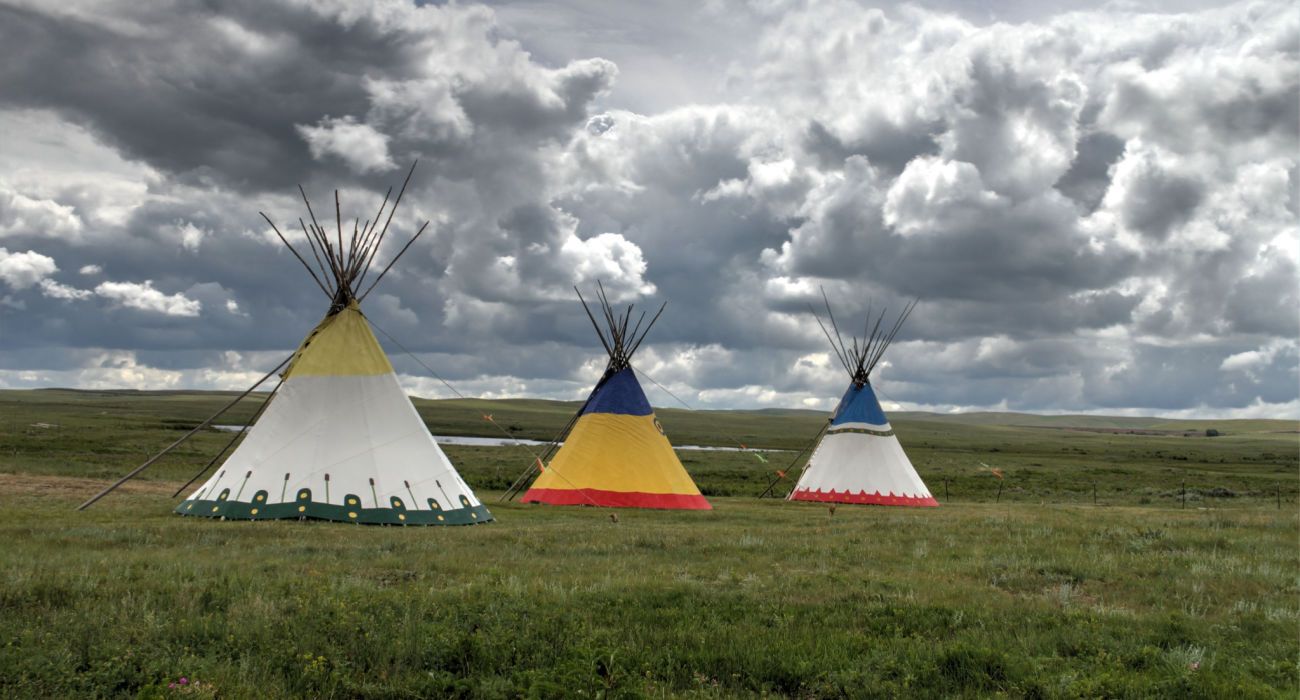

Embarking on a journey to an Indian Reservation offers a profound opportunity to connect with rich cultural heritage, vibrant traditions, and the enduring spirit of Native American communities. These lands are not merely tourist destinations; they are sovereign nations, living communities with unique histories, laws, and customs. Understanding how to approach such a visit with respect, awareness, and genuine curiosity is paramount.
This guide aims to equip you with the knowledge needed to ensure your visit is both enriching for you and respectful of the tribal nations you encounter. Our goal is to foster meaningful interactions and support the self-determination and cultural preservation efforts of indigenous peoples.
Understanding Indian Reservations: More Than Just Land
First, it’s essential to grasp what an ‘Indian Reservation’ truly represents. These are parcels of land managed by a Native American tribe under the U.S. Department of the Interior’s Bureau of Indian Affairs, or by similar governmental bodies in other countries. Crucially, they are often considered sovereign nations within a nation, meaning they have their own governments, laws, and jurisdiction.
This concept of tribal sovereignty dictates that while federal laws may apply, tribal laws often govern daily life and activities on the reservation. This is a fundamental distinction that visitors must appreciate, as it directly impacts visitor policies, legal frameworks, and cultural norms.
Why Visit an Indian Reservation?
There are myriad compelling reasons to visit an Indian Reservation. Beyond the scenic landscapes that many reservations encompass, the primary draw is the chance for cultural immersion and education. Visitors can learn directly from tribal members, witness traditional arts, music, and dance, and gain a deeper understanding of indigenous perspectives and histories.
Your visit also offers an opportunity to support tribal economies. Many reservations rely on tourism, arts and crafts sales, and cultural events to create jobs and fund essential community services. By engaging responsibly, you contribute directly to the well-being and self-sufficiency of these communities.
Planning Your Visit: Essential Research
The most critical step before any visit is thorough research. Each of the over 574 federally recognized tribes in the United States, and countless others worldwide, possesses distinct cultures, languages, and protocols. What applies to one reservation may not apply to another.
- Identify the Specific Tribe: Pinpoint which tribal nation governs the reservation you wish to visit.
- Check Official Tribal Websites: These are the best sources for information regarding visitor policies, public access, cultural events, and contact details. Look for sections on tourism, cultural centers, or visitor information.
- Permits and Permissions: Determine if you need permits for activities like hiking, fishing, photography, or even general entry to certain areas. Some tribes require specific permissions, especially for sacred sites or private lands.
- Operating Hours and Seasons: Verify if cultural centers, museums, or other attractions have specific operating hours or seasonal closures.
Public Access and Openness
A common question is: Are Indian reservations open to the public? Generally, yes, many parts of reservations are open to the public, particularly those areas designated for tourism, such as museums, cultural centers, and tribal parks. However, this is not a blanket rule. Certain areas may be private, sacred, or restricted, and visitors must always respect these boundaries.
Do you need permission to enter a reservation? For general travel through public roads or visits to designated public attractions, explicit permission is usually not required. However, for specific activities like hunting, fishing, camping in non-designated areas, or visiting private lands, permission from the tribal government or individual landowners is often mandatory.
Navigating Etiquette and Cultural Sensitivity
/res-5808b9813df78cbc287e2ef8.jpg "How To Visit An Indian Reservation")

Respect is the cornerstone of any visit to indigenous lands. Adhering to local customs and demonstrating cultural sensitivity will ensure a positive experience for everyone.
- Dress Modestly: When visiting cultural sites, attending ceremonies, or interacting with elders, modest attire is always recommended.
- Photography: This is a crucial area for respect. Always ask for permission before taking photographs of individuals, ceremonies, or specific sites. Some tribes have strict rules against photography, especially during sacred events. Respect a ‘no’ without question.
- Listen and Learn: Be a good listener. Allow tribal members to share their stories and knowledge at their own pace. Avoid interrupting or making assumptions.
- Respect Sacred Sites: If you are fortunate enough to visit a sacred site, maintain reverence, follow all posted rules, and avoid disturbing anything.
- Do Not Trespass: Stay on marked public roads and designated visitor areas. Private lands on reservations are just that: private.
- Avoid Making Demands: Remember you are a guest. Do not demand special access, services, or information.
- Littering: Pack it in, pack it out. Leave no trace of your visit.
What Should You Not Do on a Reservation?
Beyond the positive actions, it’s also important to be aware of what to avoid. Do not engage in disrespectful behavior, such as mocking traditions, making insensitive jokes, or assuming you understand their culture after a brief visit. Do not purchase goods from unauthorized vendors claiming to be Native American if you suspect they are not authentic. Furthermore, do not bring alcohol or drugs onto reservations where they are prohibited, as tribal laws may differ significantly from state laws.
Engaging with Tribal Members and Supporting Local Economies
One of the most rewarding aspects of visiting is the opportunity to interact with tribal members. Seek out tribal-owned businesses, art galleries, and cultural centers. Purchasing authentic arts and crafts directly from artisans ensures your money directly supports the community and preserves traditional art forms.
Consider staying at tribal-owned hotels or campgrounds, dining at local restaurants that serve traditional foods, and hiring tribal members as guides for tours. These actions are tangible ways to show your support and appreciation.
Activities and Experiences on Reservations
Many reservations offer a diverse range of activities:
- Cultural Centers and Museums: Immerse yourself in history, art, and traditions.
- Art Galleries and Craft Shops: Discover unique handcrafted items, jewelry, pottery, and textiles.
- Outdoor Recreation: Enjoy hiking, fishing, bird watching, and guided nature tours, often led by tribal members who share deep knowledge of the land.
- Powwows and Festivals: If your visit coincides with a public powwow or cultural festival, it’s an incredible opportunity to witness traditional dances, drumming, and singing. Always research etiquette for these events beforehand.
- Historical Sites: Explore ancient dwellings, petroglyphs, and other sites of historical significance, often with interpretive guides.
Safety and Awareness
As with any travel, maintain awareness of your surroundings. Respect wildlife, stay on marked trails, and inform someone of your travel plans if venturing into remote areas. Be mindful of road conditions, especially in rural areas, and ensure your vehicle is in good working order. Always carry sufficient water and supplies.
Conclusion: A Journey of Respect and Discovery
Visiting an Indian Reservation is more than just a trip; it’s an educational and deeply personal experience that fosters understanding and appreciation for Native American cultures. By approaching your visit with thorough preparation, genuine respect, and an open mind, you contribute to a positive exchange and honor the sovereignty and heritage of indigenous communities.
Remember, you are a guest on sovereign land. Your actions speak volumes about your respect for their history, their present, and their future. Embrace the opportunity to learn, to listen, and to connect, leaving a positive footprint wherever you go.


