Economic development on Native American reservations is a complex and multifaceted issue, shaped by a unique history and a challenging present. For centuries, tribal nations have faced systemic barriers that have hindered their ability to build thriving economies. Understanding these challenges is the first step toward creating effective solutions and fostering self-sufficiency. This article delves into the key obstacles to economic growth on reservations and explores potential pathways to a more prosperous future.
Historical Context: A Legacy of Dispossession
The history of Native American tribes in the United States is marked by displacement, broken treaties, and policies aimed at assimilation. These historical injustices have had a profound and lasting impact on tribal economies. The loss of ancestral lands, coupled with restrictions on resource management, has severely limited economic opportunities for many tribes. Understanding this historical context is crucial for comprehending the present-day challenges.
Land Ownership and Trust Status
A significant impediment to economic development is the complex system of land ownership on reservations. Much of the land is held in trust by the federal government for the benefit of individual tribal members or the tribe as a whole. This trust status can make it difficult to secure financing for development projects, as lenders are often hesitant to provide loans for land that cannot be easily used as collateral. The bureaucratic processes involved in obtaining federal approval for land use can also be lengthy and cumbersome, further delaying economic initiatives.
Infrastructure Deficiencies: A Barrier to Growth
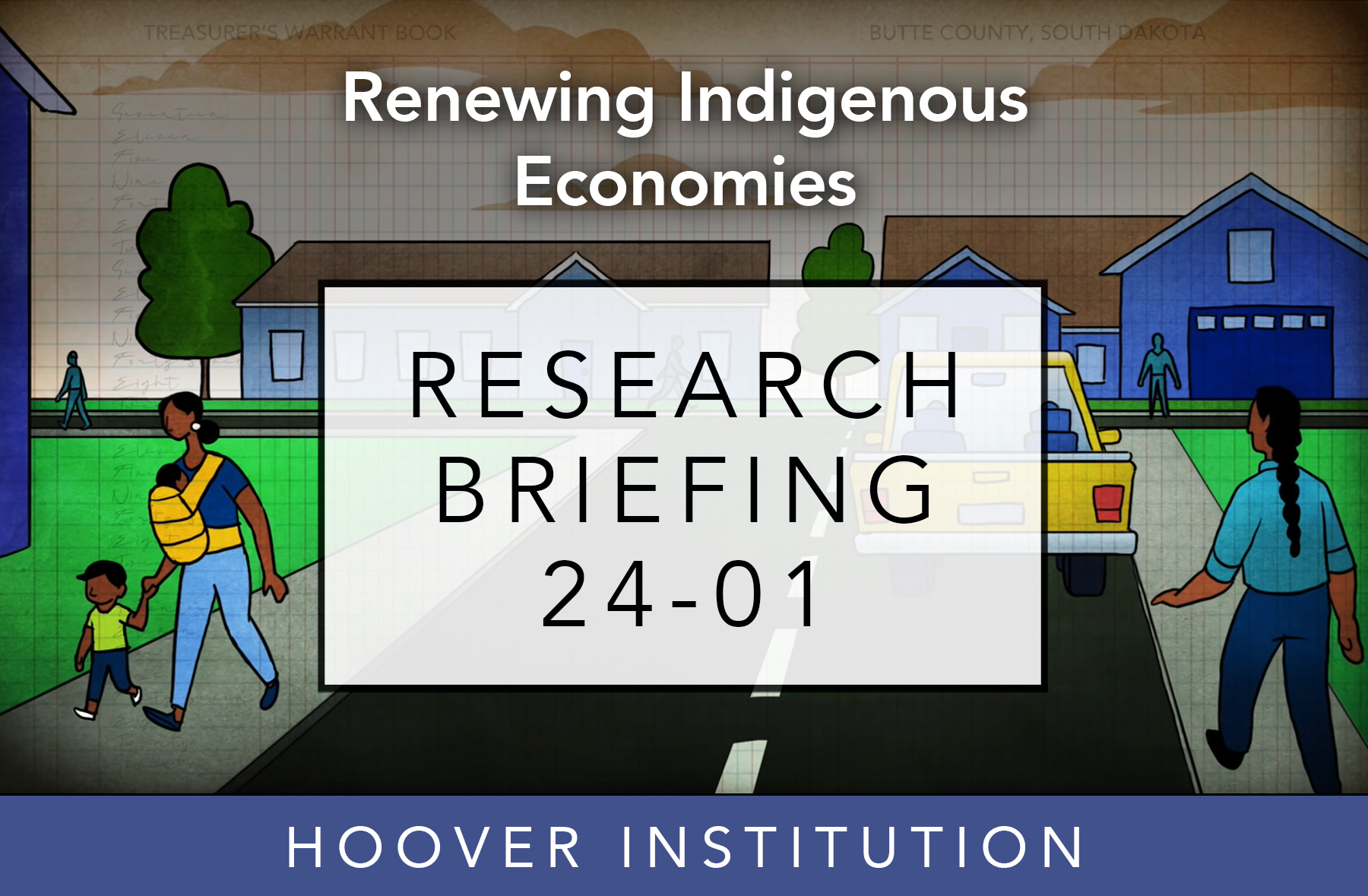
Many reservations suffer from inadequate infrastructure, including poor roads, limited access to broadband internet, and unreliable utilities. These deficiencies make it difficult to attract businesses and create jobs. Without reliable infrastructure, it is challenging to transport goods and services, connect with customers, and participate in the modern digital economy. Investing in infrastructure improvements is essential for laying the foundation for sustainable economic development.
Access to Capital: Overcoming Financial Hurdles
Securing capital for business ventures is a major challenge for Native American entrepreneurs. Banks and other financial institutions are often reluctant to lend to businesses on reservations due to perceived risks and the complexities of trust land. This lack of access to capital can stifle innovation and prevent promising businesses from getting off the ground. Alternative financing mechanisms, such as community development financial institutions (CDFIs) and microloan programs, can play a vital role in bridging this gap.
Legal and Regulatory Complexities
Navigating the legal and regulatory landscape can be particularly challenging on reservations. Tribal governments, the federal government, and sometimes state governments all have jurisdiction over various aspects of economic activity. This overlapping jurisdiction can create confusion and uncertainty, making it difficult for businesses to operate efficiently. Streamlining regulatory processes and clarifying jurisdictional issues are essential for creating a more business-friendly environment.
Human Capital Development: Investing in Education and Training
A skilled and educated workforce is essential for any thriving economy. However, many reservations face challenges related to education and workforce development. Schools on reservations often lack adequate funding and resources, leading to lower educational outcomes. Furthermore, there may be a mismatch between the skills that are taught and the skills that are needed by local employers. Investing in education and training programs that are tailored to the specific needs of the tribal economy is crucial for building a strong and competitive workforce.
Natural Resource Management: Balancing Development and Sustainability
Many reservations possess valuable natural resources, such as timber, minerals, and oil and gas. However, managing these resources in a sustainable and responsible manner is a complex challenge. Tribal governments must balance the potential economic benefits of resource extraction with the need to protect the environment and preserve cultural heritage. Developing sustainable resource management plans that prioritize long-term economic and environmental well-being is essential.
Cultural Preservation: Protecting Heritage in the Face of Development
Economic development should not come at the expense of cultural preservation. Tribal cultures are a valuable asset that can be leveraged to attract tourism and create unique economic opportunities. However, it is important to ensure that development projects are sensitive to cultural values and traditions. Protecting sacred sites, preserving traditional knowledge, and promoting cultural tourism can help to create a more sustainable and culturally enriching economy.
Addressing Social Challenges: Breaking the Cycle of Poverty
Poverty, unemployment, and other social challenges can create significant barriers to economic development. Addressing these challenges requires a comprehensive approach that includes investments in education, healthcare, housing, and social services. By creating a more supportive and equitable environment, tribal nations can empower individuals to participate more fully in the economy.
Promoting Entrepreneurship: Fostering Innovation and Self-Sufficiency
Entrepreneurship is a key driver of economic growth. Encouraging and supporting Native American entrepreneurs can help to create jobs, generate wealth, and promote self-sufficiency. Tribal governments can play a role in fostering entrepreneurship by providing access to capital, business training, and mentorship programs. Creating a supportive ecosystem for entrepreneurs can help to unlock the economic potential of tribal communities.
Tourism Development: Leveraging Cultural and Natural Assets
Many reservations possess unique cultural and natural assets that can be leveraged to attract tourists. Developing sustainable tourism initiatives can create jobs, generate revenue, and promote cultural understanding. However, it is important to ensure that tourism development is managed in a way that is respectful of tribal cultures and the environment. Involving tribal members in the planning and management of tourism projects is essential for ensuring that the benefits are shared equitably.
Gaming Revenue: A Double-Edged Sword
For some tribes, gaming revenue has been a significant source of economic development. However, it is important to recognize that gaming is not a panacea. The economic benefits of gaming can be unevenly distributed, and reliance on gaming revenue can make tribal economies vulnerable to economic downturns. Diversifying tribal economies and investing in other sectors is essential for long-term economic stability.
Building Partnerships: Collaboration for Success
Effective economic development requires collaboration among tribal governments, federal agencies, state governments, private sector partners, and non-profit organizations. Building strong partnerships can help to leverage resources, share expertise, and create innovative solutions. Collaborative approaches are essential for addressing the complex challenges facing tribal economies.
The Role of Technology: Bridging the Digital Divide
Access to technology is increasingly essential for economic success. However, many reservations face a significant digital divide, with limited access to broadband internet and other technologies. Bridging this digital divide is crucial for enabling tribal members to participate fully in the modern economy. Investing in broadband infrastructure, providing digital literacy training, and promoting technology-based businesses can help to create new economic opportunities.
Sustainable Development: A Long-Term Vision
Sustainable development is about meeting the needs of the present without compromising the ability of future generations to meet their own needs. This requires a holistic approach that considers the economic, social, and environmental impacts of development projects. Tribal governments should prioritize sustainable development practices that protect the environment, preserve cultural heritage, and promote long-term economic prosperity.
Measuring Success: Beyond Economic Indicators
While economic indicators such as GDP and employment rates are important, they do not tell the whole story of economic development on reservations. It is also important to consider social and cultural factors, such as health outcomes, educational attainment, and cultural preservation. Measuring success requires a comprehensive approach that takes into account the unique values and priorities of each tribal nation.
Addressing the "People Also Ask" Questions
Why are Native American reservations so poor?
Poverty on reservations is a result of historical injustices, including land dispossession, broken treaties, and policies aimed at assimilation. These factors have limited economic opportunities and created systemic barriers to wealth creation. Ongoing challenges include lack of infrastructure, limited access to capital, and complex legal and regulatory environments.
What are some economic opportunities on reservations?
Economic opportunities vary depending on the specific resources and assets of each reservation. Potential opportunities include natural resource development (timber, minerals, oil and gas), tourism, gaming, agriculture, renewable energy, and entrepreneurship. Developing a skilled workforce and attracting outside investment are also key to creating economic opportunities.
How can the government help Native American reservations?
The government can play a role in supporting economic development on reservations by honoring treaty obligations, providing funding for infrastructure improvements, streamlining regulatory processes, and supporting education and workforce development programs. It is also important for the government to consult with tribal governments on all policies that affect tribal economies.
What is the role of tribal governments in economic development?
Tribal governments play a crucial role in economic development by creating a business-friendly environment, investing in infrastructure and education, promoting entrepreneurship, and managing natural resources sustainably. Tribal governments also have a responsibility to protect tribal cultures and traditions while pursuing economic growth.
Conclusion: Charting a Path to Prosperity
Overcoming the economic development challenges on Native American reservations requires a multifaceted approach that addresses historical injustices, invests in infrastructure and human capital, promotes entrepreneurship, and fosters collaboration. By working together, tribal nations, the federal government, and other stakeholders can create a more prosperous and equitable future for Native American communities. The path forward requires a commitment to sustainable development, cultural preservation, and self-determination. Only then can tribal nations truly realize their full economic potential and build thriving communities for generations to come.
- Acknowledge the Past: Understanding the historical context of dispossession and broken treaties is crucial.
- Infrastructure is Key: Investing in roads, broadband, and utilities is essential.
- Access to Capital: Overcoming financial hurdles through CDFIs and other alternative financing.
- Education and Training: Building a skilled workforce tailored to local needs.
- Sustainable Development: Balancing economic growth with environmental and cultural preservation.
- Collaboration is Essential: Working together with tribal, federal, and private partners.


