

Beyond the Landfill: Yupik Communities Confront the Arctic’s Waste Crisis
The vast, pristine expanse of the Alaskan Arctic, home to the Yupik people for millennia, is confronting a silent but pervasive crisis: waste management. Far from the industrial centers and established recycling infrastructure of the lower 48 states, Yupik villages grapple with an ever-growing tide of modern refuse that threatens their traditional way of life, fragile ecosystems, and very health. This isn’t just an environmental challenge; it’s a complex intersection of geography, economics, climate change, and cultural preservation, demanding innovative and culturally sensitive solutions.
For centuries, Yupik communities lived in harmony with their environment, their waste streams almost entirely organic and biodegradable. Tools were crafted from bone, wood, and stone, returning to the earth when their utility ceased. Food scraps nourished the land or were consumed by animals. This traditional ethos of resourcefulness and respect for the land, encapsulated in the Yupik value of ella (the consciousness of the world), meant waste was minimal and integrated into the natural cycle.
The arrival of Western goods – plastic containers, metal cans, electronics, batteries, and synthetic clothing – dramatically altered this delicate balance. These modern materials, designed for convenience and often single-use, do not decompose in the Arctic’s frigid environment at any appreciable rate. A plastic bottle, which might break down in centuries elsewhere, can remain virtually intact for millennia in permafrost. The sheer volume of non-biodegradable waste generated by contemporary living, coupled with the unique challenges of the Arctic, has created a formidable problem.
One of the most immediate and visible manifestations of this crisis is the proliferation of "open dumps" that scar the landscape outside many Yupik villages. These informal landfills, often little more than designated areas where trash is piled, become breeding grounds for disease, attract wildlife (posing risks to both animals and humans), and release contaminants into the air and water. The lack of proper liners, leachate collection systems, and daily cover – standard practices in regulated landfills elsewhere – means that harmful substances leach directly into the soil and groundwater, threatening the very subsistence resources that Yupik communities rely upon. Fish, seals, and migratory birds are not only integral to their diet but also hold profound cultural significance. The thought of these animals consuming or being exposed to modern pollutants is deeply disturbing.
The challenges are multi-faceted. Firstly, remoteness and lack of infrastructure are paramount. Many Yupik villages are fly-in or barge-in only, isolated by vast distances, severe weather, and the absence of roads. This isolation makes establishing and maintaining modern waste management facilities incredibly difficult and prohibitively expensive. Constructing a properly engineered landfill requires specialized equipment, materials, and expertise that are simply not available locally. Even if they were, the cost of transporting them to these remote locations can be astronomical.
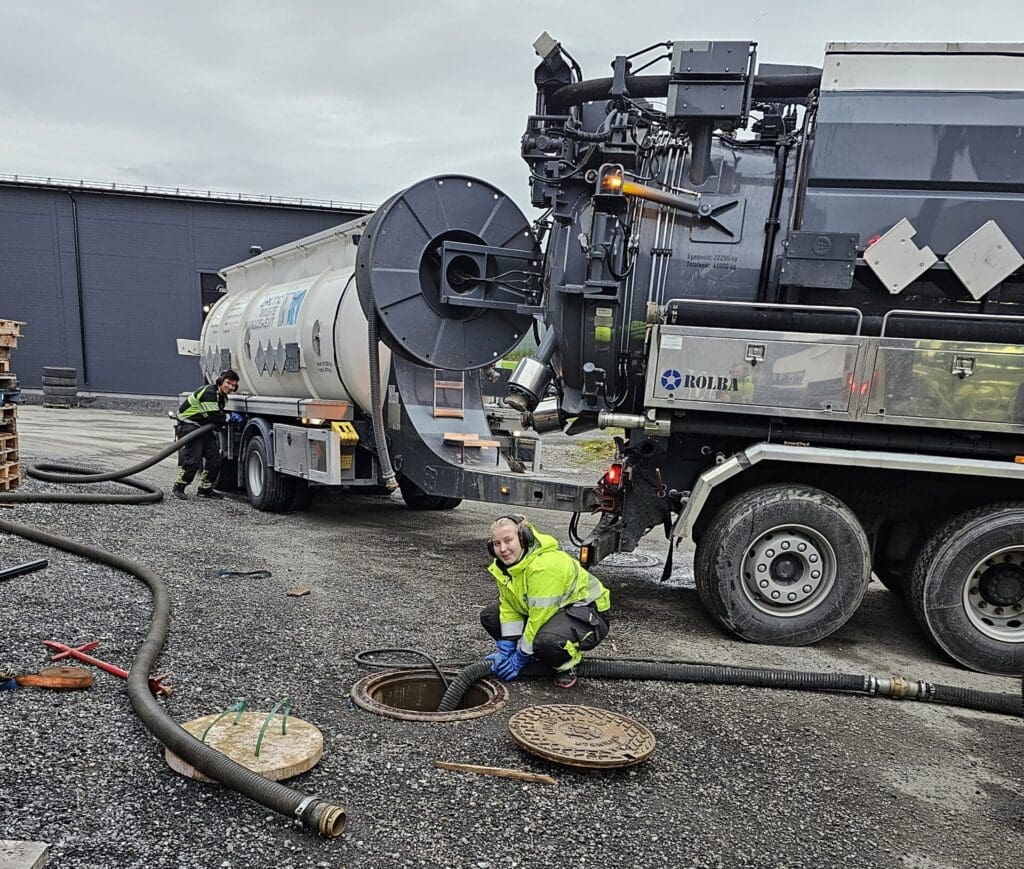

Secondly, the economics are daunting. Shipping a single waste compactor or a truckload of recycling materials out of a remote village can cost tens of thousands of dollars. For communities with small populations and limited economic opportunities, the annual budget for waste management often consumes a disproportionate share of local funds, sometimes exceeding $100,000 for a small village. This financial burden often forces communities to opt for the cheapest, albeit least environmentally sound, solutions.
Thirdly, climate change acts as an accelerant to the crisis. The Arctic is warming at more than twice the global average, leading to widespread permafrost thaw. Permafrost, the permanently frozen ground that covers 85% of Alaska, is the foundation upon which many villages and their dumps are built. As permafrost thaws, it destabilizes the ground, causing land to subside, buckle, and erode. Existing open dumps, never designed for such dynamic conditions, are collapsing, spilling their contents directly into rivers, lakes, and the Bering Sea. Coastal erosion, exacerbated by melting sea ice and stronger storm surges, further threatens dump sites located near shorelines, washing years of accumulated trash into the marine environment. This marine debris then travels vast distances, polluting pristine beaches and posing hazards to marine life far beyond the village boundaries.
The environmental implications are severe. Plastic pollution, a global scourge, is particularly insidious in the Arctic. Microplastics are entering the food chain, with unknown long-term consequences for human health and wildlife. Hazardous waste, such as old batteries, fluorescent bulbs, and household chemicals, leaches heavy metals and toxic compounds into the environment, contaminating traditional hunting and fishing grounds. Abandoned vehicles and machinery rust and degrade, releasing oils and other pollutants.
Despite these immense challenges, Yupik communities and their partners are not standing idly by. Efforts are underway to address the crisis, often driven by a deep-seated commitment to protecting their homeland and future generations.
Backhaul programs represent one of the most effective strategies. Organizations like the Alaska Native Tribal Health Consortium (ANTHC) coordinate efforts to collect, consolidate, and transport hazardous and non-hazardous waste out of remote communities. Utilizing seasonal barge services, these programs "backhaul" compacted waste, recycling, and hazardous materials to larger hubs like Anchorage or Seattle for proper disposal or processing. While effective, backhaul is expensive and logistics-intensive, requiring meticulous planning and community participation. A successful backhaul event can remove years of accumulated waste, but it’s a monumental undertaking that needs sustained funding and effort.
Community cleanups are a common and powerful expression of local initiative. Often volunteer-driven, these cleanups mobilize residents to gather and sort waste, clearing beaches, riverbanks, and village perimeters. These events not only remove debris but also strengthen community bonds and raise awareness about the issue. However, without a robust system for ongoing waste management, these cleanups are often temporary fixes, with new waste quickly accumulating.
Waste-to-energy incineration is being explored and implemented in some larger Arctic communities. Modern incinerators can drastically reduce the volume of waste and generate electricity, offering a partial solution to both waste and energy needs. However, these facilities are expensive to build and operate, require skilled technicians, and raise concerns about air quality and the proper disposal of ash, especially in areas with sensitive air quality standards.
Education and outreach are crucial components. Programs aimed at teaching younger generations about responsible waste disposal, the impact of plastics, and the importance of traditional conservation values are vital for long-term change. Integrating modern environmental science with Yupik traditional ecological knowledge (TEK) can create powerful, culturally relevant curricula. Elders’ wisdom about living sustainably on the land provides an invaluable foundation for contemporary waste reduction efforts.
The path forward requires a multi-pronged approach rooted in collaboration, innovation, and respect for Yupik self-determination.

- Investment in Infrastructure: Sustainable funding from state and federal governments is essential to develop and maintain appropriate waste management infrastructure, including properly engineered landfills, transfer stations, and regional recycling centers where feasible. This might involve modular, scalable technologies suitable for remote Arctic conditions.
- Expanded Backhaul and Recycling Programs: Sustained support for existing backhaul programs and the expansion of recycling initiatives for high-value materials (aluminum, certain plastics) could significantly reduce the burden on local dumps. Developing local entrepreneurial opportunities in sorting, compacting, and preparing recyclables could also benefit communities.
- Climate Change Adaptation: Integrating waste management strategies with climate change adaptation plans is critical. This includes relocating threatened dump sites, designing new facilities to withstand permafrost thaw and coastal erosion, and developing strategies to mitigate the release of contaminants from existing sites.
- Policy and Regulatory Support: Flexible and appropriate regulatory frameworks are needed, recognizing the unique challenges of the Arctic while ensuring environmental protection. This includes supporting local governments in developing comprehensive waste management plans.
- Indigenous Knowledge Integration: Centering Yupik traditional ecological knowledge and community input in the design and implementation of solutions is paramount. This ensures that solutions are culturally appropriate, sustainable, and aligned with local values and needs. The Yupik people have a profound understanding of their environment and a history of adaptive ingenuity.
The Yupik waste management crisis in the Arctic is a microcosm of broader global environmental challenges, amplified by extreme conditions and historical inequities. It underscores the urgent need for a shift from a linear "take-make-dispose" economy to a circular one, even in the most remote corners of the world. By investing in resilient infrastructure, fostering innovative solutions, and honoring traditional wisdom, it is possible to transform these fragile frontiers from dumping grounds into models of sustainable living, ensuring the health and cultural vitality of Yupik communities for generations to come. The future of the Arctic, and the Yupik way of life, depends on it.


