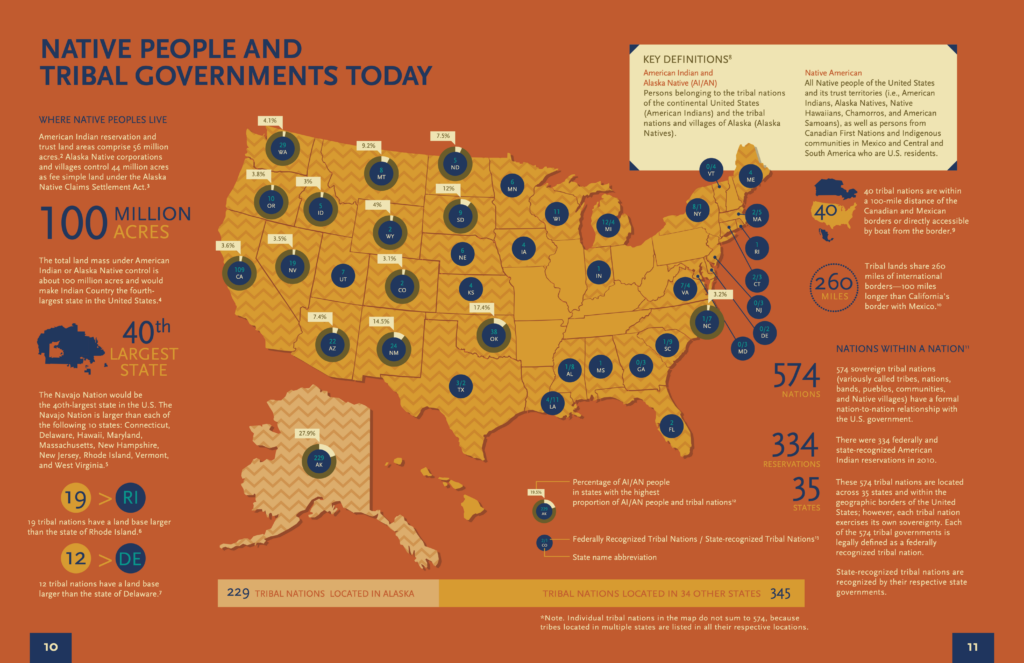

Indian Reservations, sovereign nations within the United States, are vibrant communities at the forefront of significant societal, economic, and environmental shifts. Far from static, these indigenous lands are dynamic centers of cultural preservation, innovative development, and persistent advocacy. Understanding the current events unfolding across these territories offers crucial insights into the broader American narrative and the enduring resilience of Native American tribes.
For many, the term ‘Indian Reservation’ conjures historical images, but the reality today is one of diverse tribal nations actively shaping their futures. From legal challenges asserting treaty rights to groundbreaking economic ventures and critical public health initiatives, the daily lives and long-term aspirations of tribal communities are deeply intertwined with contemporary issues.
This comprehensive article delves into the most pressing and impactful current events on Indian Reservations, highlighting both the challenges faced and the remarkable progress being made. We will explore various facets of tribal life, demonstrating the profound commitment to self-determination and the protection of unique cultural heritage.
Understanding Indian Reservations: A Brief Overview
Before diving into current events, it’s essential to grasp the foundational concept of Indian Reservations. These are lands managed by a Native American tribe under the U.S. Bureau of Indian Affairs, often with a degree of tribal self-government. Tribal sovereignty, the inherent authority of indigenous tribes to govern themselves, underpins all aspects of life and policy within these territories.
The relationship between tribal nations and the federal government is complex, shaped by treaties, statutes, and judicial decisions. This unique legal and political status means that many developments on reservations have distinct implications, often differing from those in surrounding non-tribal areas. This context is vital for appreciating the nuances of current events.

Economic Renaissance: Driving Self-Sufficiency
Economic development remains a cornerstone of tribal self-determination. Many reservations are experiencing an economic renaissance, moving beyond traditional resource extraction to embrace diverse industries that create jobs and generate revenue for community services.
Gaming and Beyond: While casino gaming has been a significant economic driver for many tribes since the Indian Gaming Regulatory Act of 1988, current trends show a concerted effort to diversify. Tribes are reinvesting gaming revenues into non-gaming enterprises, strengthening their economic foundations.
This diversification includes ventures in hospitality, manufacturing, retail, and technology. For instance, some tribes are establishing data centers, call centers, or e-commerce businesses, leveraging their unique jurisdictional status and strategic locations to attract investment and provide employment opportunities for their members.
Renewable Energy Initiatives: A prominent area of growth is renewable energy. Numerous tribes are developing large-scale solar and wind farms, not only to power their own communities but also to sell energy to the national grid. These projects not only generate substantial income but also align with traditional values of environmental stewardship.
Tribal energy initiatives are often seen as a pathway to energy independence and a means to combat climate change, offering sustainable economic models that respect the land. These projects frequently involve partnerships with energy companies, bringing significant infrastructure development and technical expertise to remote areas.
Diversifying Economic Portfolios: Beyond energy and gaming, tribes are revitalizing traditional agriculture, developing cultural tourism, and fostering small business entrepreneurship. Initiatives supporting tribal members in starting their own businesses are crucial for building local economies and retaining wealth within reservation communities.
Environmental Stewardship and Climate Resilience
Native American tribes have long been stewards of the land, and current events highlight their ongoing leadership in environmental protection, water rights, and climate change adaptation. Their deep connection to ancestral lands fuels their advocacy for ecological balance.
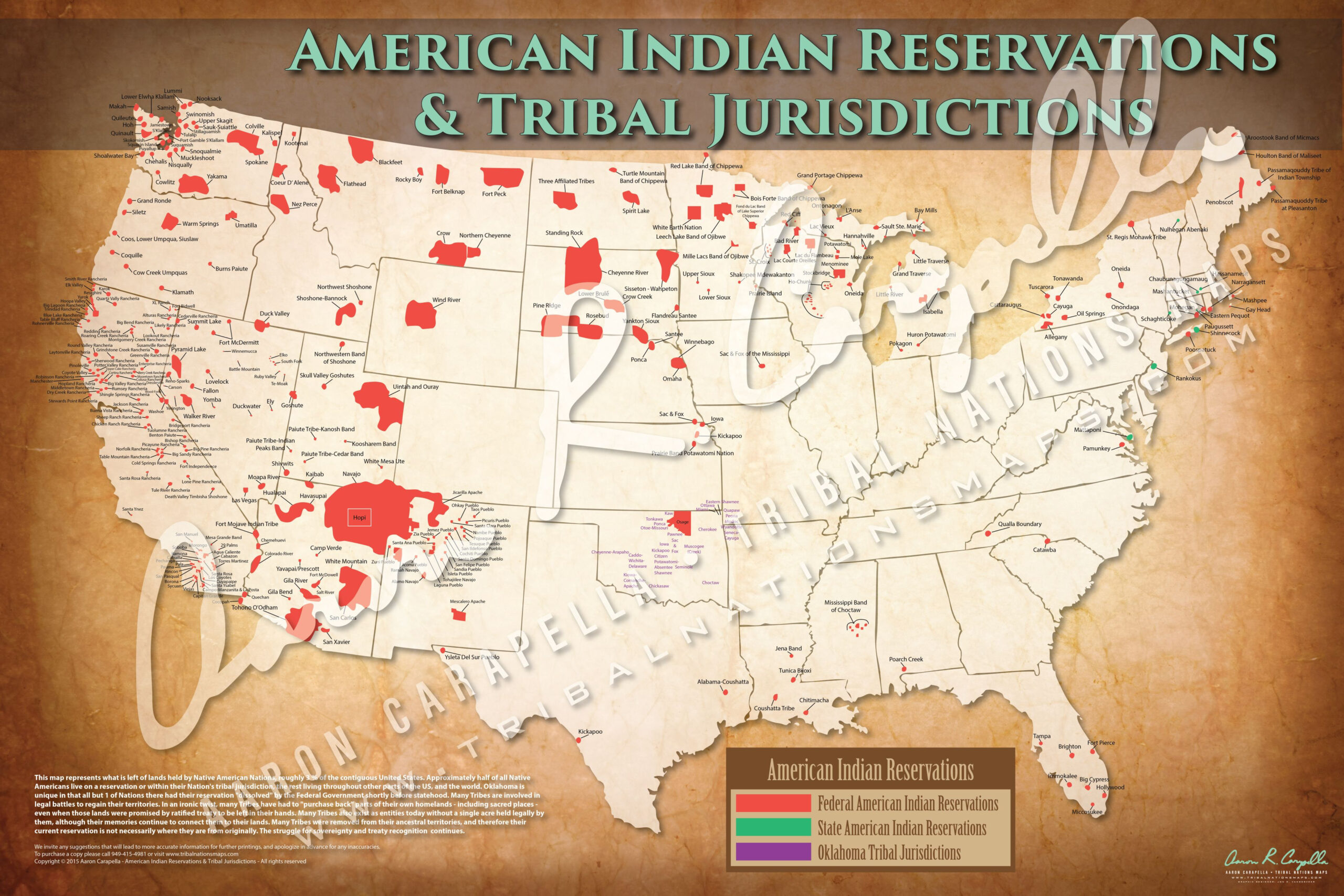

Protecting Sacred Lands and Water Rights: Battles over water rights continue to be critical, particularly in the arid Western states. Tribes are actively engaged in litigation and negotiation to secure and protect their inherent water rights, essential for agriculture, cultural practices, and community sustenance.
Furthermore, tribes are at the forefront of protecting sacred sites from industrial development and resource extraction. The ongoing fight to preserve cultural landscapes, often against powerful corporate interests, underscores the deep spiritual and historical significance of these lands.
Adapting to Climate Change: Many tribal communities, particularly those in coastal regions or reliant on subsistence practices, are disproportionately affected by climate change. Current events include tribal-led initiatives for climate adaptation, such as relocating villages threatened by rising sea levels, developing drought-resistant agriculture, and implementing forest management practices to mitigate wildfire risks.
Tribal ecological knowledge is increasingly recognized as vital for developing effective climate solutions. Indigenous communities are sharing traditional practices and scientific insights to build resilience and promote sustainable living in the face of environmental changes.
Environmental Justice Advocacy: Tribes are powerful advocates for environmental justice, often fighting against the siting of polluting industries near their communities. These struggles highlight systemic inequities and the disproportionate burden of environmental hazards borne by indigenous populations. Recent victories in halting pipelines or challenging mining operations demonstrate the impact of tribal advocacy.
Advancing Health and Wellness
Healthcare on Indian Reservations is a complex issue, often characterized by underfunding and health disparities. However, current events showcase significant tribal-led efforts to improve health outcomes and provide culturally competent care.
Addressing Health Disparities: Tribes are working to combat chronic diseases like diabetes and heart disease through community-based wellness programs, traditional food initiatives, and increased access to healthy living resources. These programs often integrate traditional healing practices with modern medicine.
Mental Health and Substance Abuse Programs: The opioid crisis and other substance abuse issues disproportionately affect many tribal communities. In response, tribes are developing culturally relevant mental health services, addiction treatment programs, and youth suicide prevention initiatives, often drawing on traditional ceremonies and peer support networks.
The Ongoing Impact of COVID-19: The COVID-19 pandemic severely impacted many reservations, but tribal nations also demonstrated remarkable leadership in their response. Rapid vaccine distribution, robust public health campaigns, and strict mitigation measures often surpassed those of surrounding states. However, the pandemic also exposed and exacerbated existing health infrastructure deficiencies and disparities, prompting calls for increased federal support for the Indian Health Service (IHS).
Empowering Future Generations Through Education and Culture
Preserving and revitalizing indigenous languages and cultures is a continuous effort, with numerous current events reflecting a strong commitment to empowering youth and maintaining ancestral knowledge.
Language Revitalization Efforts: Many tribes are actively engaged in language immersion programs, creating dictionaries, and teaching younger generations their ancestral languages. These efforts are crucial for cultural continuity and identity, often supported by tribal colleges and universities.
Culturally Relevant Education: Beyond language, there’s a growing movement to integrate tribal history, values, and knowledge systems into educational curricula on and off reservations. This ensures that indigenous youth see themselves reflected in their education and fosters a stronger sense of identity and pride.
Preserving Indigenous Arts and Traditions: Current events frequently highlight tribal artists, artisans, and cultural practitioners who are keeping traditional arts alive. Economic initiatives often support these artists, creating markets for their work and providing opportunities for cultural exchange.
Navigating the Political and Legal Landscape
Tribal sovereignty is constantly asserted and defended in the political and legal arenas. Current events often involve significant legislative efforts, court cases, and advocacy campaigns.
Upholding Tribal Sovereignty: Tribes are continually advocating for their sovereign rights in various forums, from challenging state taxation on tribal lands to asserting jurisdiction over criminal matters involving non-Natives on their territories. These legal battles are fundamental to maintaining tribal self-governance.
Voting Rights and Political Engagement: Efforts to ensure equitable access to voting for Native Americans on reservations are ongoing. Challenges include remote polling locations, lack of residential addresses, and voter ID laws. Tribes are actively engaged in voter registration drives and political advocacy to ensure their voices are heard in federal, state, and local elections.
Legal Battles for Justice and Recognition: Recent years have seen landmark legal cases affirming tribal treaty rights, land claims, and jurisdiction. These legal victories often have profound implications for tribal economies, resource management, and self-determination, setting precedents for future federal-tribal relations.
Infrastructure Development: Bridging the Divide
Infrastructure gaps persist on many reservations, but significant efforts are underway to address these disparities, particularly in broadband access and housing.
Broadband Access as a Priority: The digital divide disproportionately affects tribal communities. Current events include major investments in broadband infrastructure, with tribes leveraging federal grants and forging partnerships to bring high-speed internet to homes, schools, and businesses. This is critical for education, telehealth, and economic development.
Housing Solutions and Community Development: Addressing inadequate housing and homelessness remains a priority. Tribes are implementing various housing programs, including building new affordable homes, renovating existing structures, and developing innovative housing solutions that are culturally appropriate and energy-efficient.
Addressing Social Challenges: MMIWG2S and Beyond
Social issues, often rooted in historical trauma, are also areas of intense focus and advocacy on reservations.
The Crisis of Missing and Murdered Indigenous Women, Girls, and Two-Spirit People (MMIWG2S): This ongoing crisis remains a critical current event. Tribal nations, alongside advocacy groups, continue to push for greater awareness, improved data collection, and robust law enforcement responses to the alarmingly high rates of violence against indigenous people.
Legislative efforts, such as Savanna’s Act and Not Invisible Act, aim to improve coordination between tribal, state, and federal authorities. Community-led initiatives, vigils, and awareness campaigns are constant reminders of the urgent need for justice.
Food Sovereignty and Traditional Practices: Many tribes are working towards food sovereignty, reducing reliance on external food systems by revitalizing traditional agriculture, establishing community gardens, and promoting healthy, traditional diets. These efforts not only improve health but also strengthen cultural ties.
Conclusion: Resilience, Progress, and the Path Forward
Current events on Indian Reservations illustrate a vibrant tapestry of challenges, triumphs, and unwavering resilience. From pioneering renewable energy projects and fighting for environmental justice to revitalizing ancient languages and advocating for political representation, tribal nations are actively shaping their destinies.
The narrative of Indian Reservations is one of continuous evolution, driven by the inherent sovereignty and self-determination of indigenous peoples. Understanding these current events is not merely about acknowledging struggles but recognizing the profound contributions, innovations, and enduring spirit of Native American tribes as they navigate the complexities of the 21st century.
As these sovereign nations continue to assert their rights, develop their economies, and preserve their cultures, their influence on the broader American landscape will only grow, underscoring the importance of respectful partnership and ongoing support for tribal self-governance.
To truly appreciate the richness and complexity of the United States, one must look to the dynamic and evolving current events on Indian Reservations, where history meets progress, and ancient wisdom guides future pathways.


