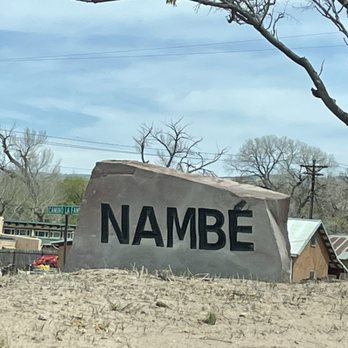

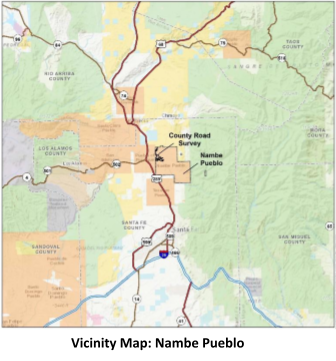
Nestled gracefully at the foot of the majestic Sangre de Cristo Mountains, just north of Santa Fe, New Mexico, lies the Nambe Pueblo Reservation. This ancient and vibrant community, one of the nineteen Pueblos of New Mexico, holds a profound significance in the tapestry of Native American history and culture. Known for its strong spiritual connection to the land and its enduring traditions, Nambe Pueblo offers a unique window into a heritage that has thrived for centuries.
The Nambe Pueblo, pronounced ‘NAHM-bay’, is home to the Tewa people, whose ancestral lands have been cultivated and cherished for over 700 years. Their name, Nambe, is believed to mean ‘mound of earth in the corner’ in the Tewa language, reflecting their deep connection to the geographical features of their homeland. This informative guide delves into the rich history, vibrant culture, and natural wonders that define this remarkable sovereign nation.
The Enduring History of Nambe Pueblo
The history of Nambe Pueblo is one of resilience and adaptation, stretching back to approximately 1300 CE. Archaeological evidence suggests continuous habitation in the region, with the Nambe people establishing their village long before European contact. Their early societal structure was complex, centered around agricultural practices, communal living, and deep spiritual beliefs that guided every aspect of life.
The arrival of the Spanish in the late 16th century brought significant changes to the Pueblos. While Nambe Pueblo, like its neighbors, experienced the imposition of new religions and governance, its people fiercely maintained their cultural identity. The Pueblo Revolt of 1680, a coordinated uprising against Spanish rule, saw Nambe play a crucial role, demonstrating the Pueblos’ unwavering commitment to self-determination and the preservation of their way of life.
Following the reconquest by the Spanish, Nambe Pueblo continued to navigate external pressures, often withdrawing into its traditional practices to safeguard its heritage. The 19th and 20th centuries brought new challenges, including land loss and the impact of federal policies, yet the Nambe people persevered, ensuring the continuity of their language, ceremonies, and social structures.


Understanding Nambe Pueblo Culture and Traditions
Culture is the heart of Nambe Pueblo, a living, breathing entity passed down through generations. The Tewa language remains a vital component of identity, taught to children and used in ceremonies, connecting the community to its ancestral roots. Efforts to preserve and revitalize the language are ongoing, recognizing its critical role in cultural transmission.
Traditional arts and crafts are another cornerstone of Nambe’s cultural expression. While perhaps less widely known for pottery than some neighboring pueblos, Nambe artists create beautiful works, often incorporating unique designs and firing techniques. Other traditional crafts include weaving, jewelry making, and beadwork, all reflecting the artistic talent and spiritual connection of the Tewa people.
Ceremonies and dances are central to Nambe Pueblo life, deeply intertwined with the agricultural cycle and spiritual beliefs. These sacred events, often closed to the public to maintain their sanctity, are vibrant expressions of gratitude, prayer, and community cohesion. They serve to reinforce the Nambe people’s relationship with the earth, the sky, and their ancestors.
The governance of Nambe Pueblo operates under a traditional system combined with modern democratic principles. A tribal council, led by the Governor, works to uphold tribal sovereignty, manage resources, and ensure the well-being of the community. This self-governance is paramount to preserving their unique cultural identity and addressing the needs of their people.
Nambe Falls Recreation Area: A Natural Gem
One of Nambe Pueblo’s most breathtaking treasures is the Nambe Falls Recreation Area. Located on tribal land, these stunning double-tiered waterfalls cascade down granite cliffs, creating a serene and picturesque environment. The falls are not just a scenic attraction; they hold deep cultural and spiritual significance for the Nambe people, who have revered this sacred site for centuries.
- Hiking: Scenic trails lead to viewpoints of the falls and through the surrounding forest.
- Fishing: The Nambe Falls Lake and Nambe River are stocked with trout, offering excellent fishing opportunities.
- Camping: Primitive campsites are available for those wishing to immerse themselves fully in the natural beauty.
- Picnicking: Designated picnic areas provide perfect spots for a leisurely meal amidst nature.
Visitors are reminded that the Nambe Falls Recreation Area is on sovereign tribal land. Respect for the land, its cultural significance, and tribal regulations is essential. This includes packing out all trash, staying on marked trails, and adhering to fishing and camping guidelines.

Visiting Nambe Pueblo: What You Need to Know
Nambe Pueblo welcomes visitors to experience its unique heritage, though it’s important to approach with respect and understanding. Public access to the main village area is often restricted to specific feast days or cultural events, primarily to preserve the privacy and sanctity of the community.
For those interested in visiting, the Nambe Falls Recreation Area is generally open to the public, though it’s always advisable to check their official website or call ahead for current operating hours, entrance fees, and any specific rules or closures. This ensures a smooth and respectful visit.
- Ask Permission: Always ask for permission before taking photographs, especially of people or sacred sites. In many areas, photography may be prohibited.
- Dress Modestly: Particularly during public ceremonies or in sacred areas.
- Do Not Trespass: Stay on designated roads and public areas. Respect private property.
- Leave No Trace: Pack out everything you pack in. Do not disturb natural or archaeological sites.
- Be Observant: Silence your cell phone and observe any posted signs or instructions from tribal members.
Economic Development and Community Life
Like many Native American communities, Nambe Pueblo navigates the complexities of balancing traditional ways of life with the demands of the modern world. Economic development initiatives focus on creating sustainable opportunities for tribal members while preserving their cultural integrity. This includes managing the recreation area, small businesses, and exploring renewable energy projects.
Education is highly valued within the Nambe community, with efforts to ensure that younger generations have access to quality schooling while also being immersed in their cultural heritage. Programs aimed at youth development and cultural preservation are crucial for strengthening the community’s future.
Preserving Heritage for Future Generations
The Nambe Pueblo is deeply committed to cultural preservation. Elders play a vital role in transmitting knowledge, stories, and the Tewa language to the youth. This intergenerational transfer of wisdom is critical in maintaining the unique identity of the Nambe people in an ever-changing world. Efforts include cultural education programs, traditional arts workshops, and the documentation of historical narratives.
Challenges such as urbanization, the influence of mainstream culture, and economic pressures are continually addressed through community-led initiatives. The Pueblo’s leadership works tirelessly to protect their ancestral lands, water rights, and cultural resources, ensuring that the legacy of the Nambe people endures for countless generations to come.
Frequently Asked Questions about Nambe Pueblo
What is Nambe Pueblo known for? Nambe Pueblo is known for its rich Tewa cultural heritage, its historic role in the Pueblo Revolt, and the beautiful Nambe Falls Recreation Area located on its tribal lands.
Can I visit Nambe Pueblo? Yes, visitors can access the Nambe Falls Recreation Area. Access to the main village area is typically restricted to specific public events or by special permission. Always check official sources for current visitor information and guidelines.
What language is spoken at Nambe Pueblo? The traditional language spoken at Nambe Pueblo is Tewa, one of the Tanoan languages.
Are there specific times to visit Nambe Falls? The Nambe Falls Recreation Area generally operates seasonally, often from spring through fall, though hours and specific dates can vary. It’s best to check the official Nambe Pueblo website or call ahead for the most current information.
Conclusion: The Enduring Spirit of Nambe Pueblo
The Nambe Pueblo Reservation stands as a testament to the enduring spirit, profound cultural depth, and unwavering resilience of the Tewa people. From its ancient origins to its modern-day endeavors, Nambe has maintained a powerful connection to its ancestral lands, its language, and its sacred traditions.
Visiting or learning about Nambe Pueblo offers more than just a glimpse into a historical site; it provides an opportunity to appreciate a living culture, to witness the beauty of its natural landscape, and to understand the importance of sovereignty and cultural preservation. Nambe Pueblo continues to thrive, a beacon of heritage and community in the heart of New Mexico.


