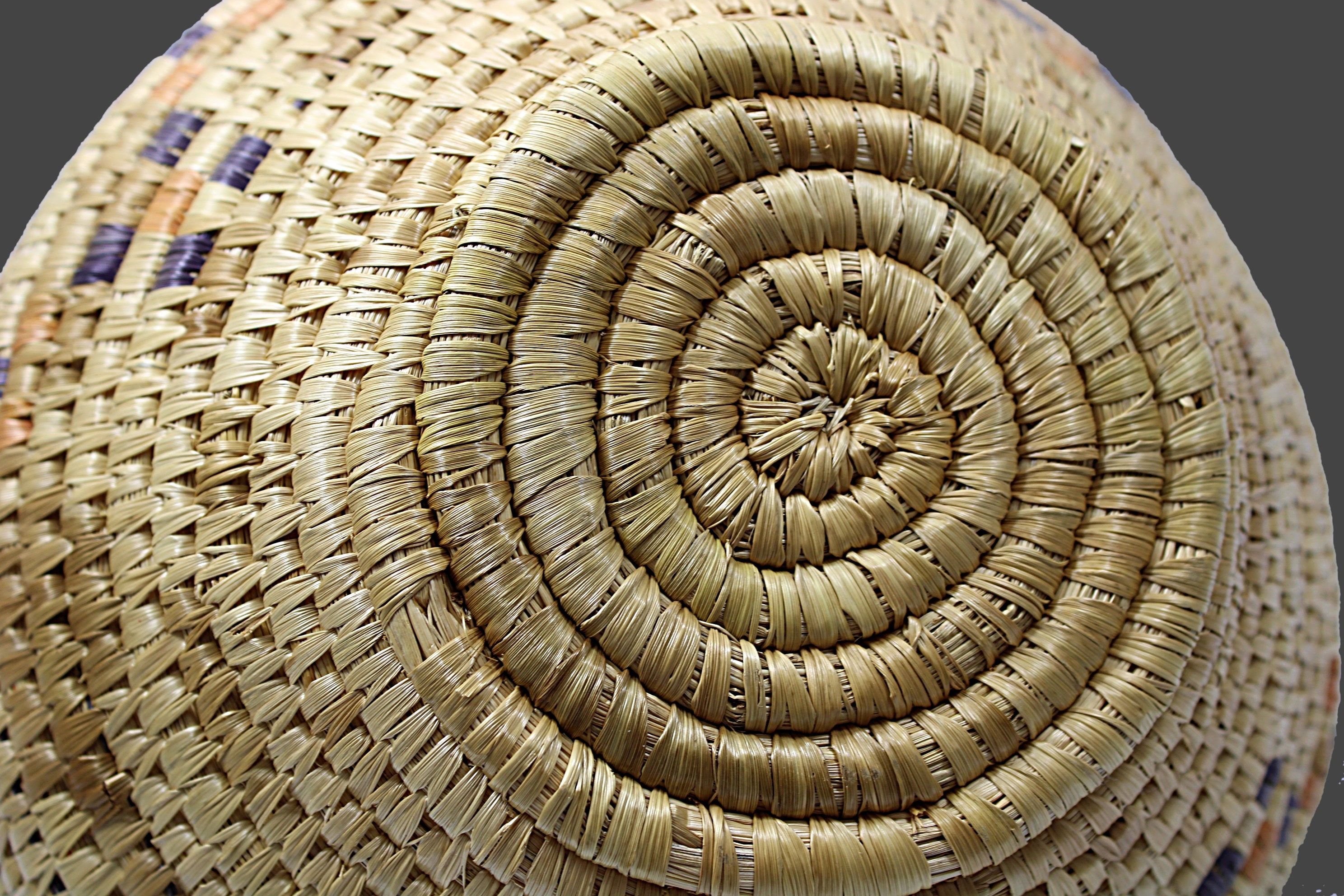

Yupik basket weaving is a profound art form deeply intertwined with the culture and history of the Yupik people of Alaska and Siberia. These baskets are not merely utilitarian objects; they are intricate tapestries of natural materials, skill, and ancestral knowledge. The patterns woven into these baskets tell stories, represent elements of the natural world, and reflect the Yupik worldview. Understanding these patterns provides insight into the rich cultural heritage of the Yupik people.
The Significance of Yupik Basket Weaving
Yupik basket weaving traditions have been passed down through generations, serving as a vital link to the past. These baskets were traditionally used for a variety of purposes, including gathering and storing food, carrying water, and even cradling infants. The creation of these baskets was a communal activity, with knowledge and skills shared among family members and within the community. Today, Yupik baskets are recognized as valuable cultural artifacts and are highly sought after by collectors and museums.
Materials Used in Yupik Basket Weaving
- Grass: Various types of grasses, such as rye grass and beach grass, are carefully harvested and dried. These grasses provide the primary material for weaving the body of the basket.
- Roots: Spruce roots and other pliable roots are used for stitching and binding the basket. These roots are meticulously prepared, often split into thin strands to create a strong and durable weave.
- Bark: Birch bark and other types of bark are sometimes used for decorative elements or to reinforce the basket’s structure.
- Natural Dyes: Natural dyes, derived from plants, berries, and minerals, are used to add color and create intricate patterns. These dyes not only enhance the aesthetic appeal of the baskets but also reflect the Yupik people’s deep connection to the land.
Common Yupik Basket Weaving Patterns and Their Meanings
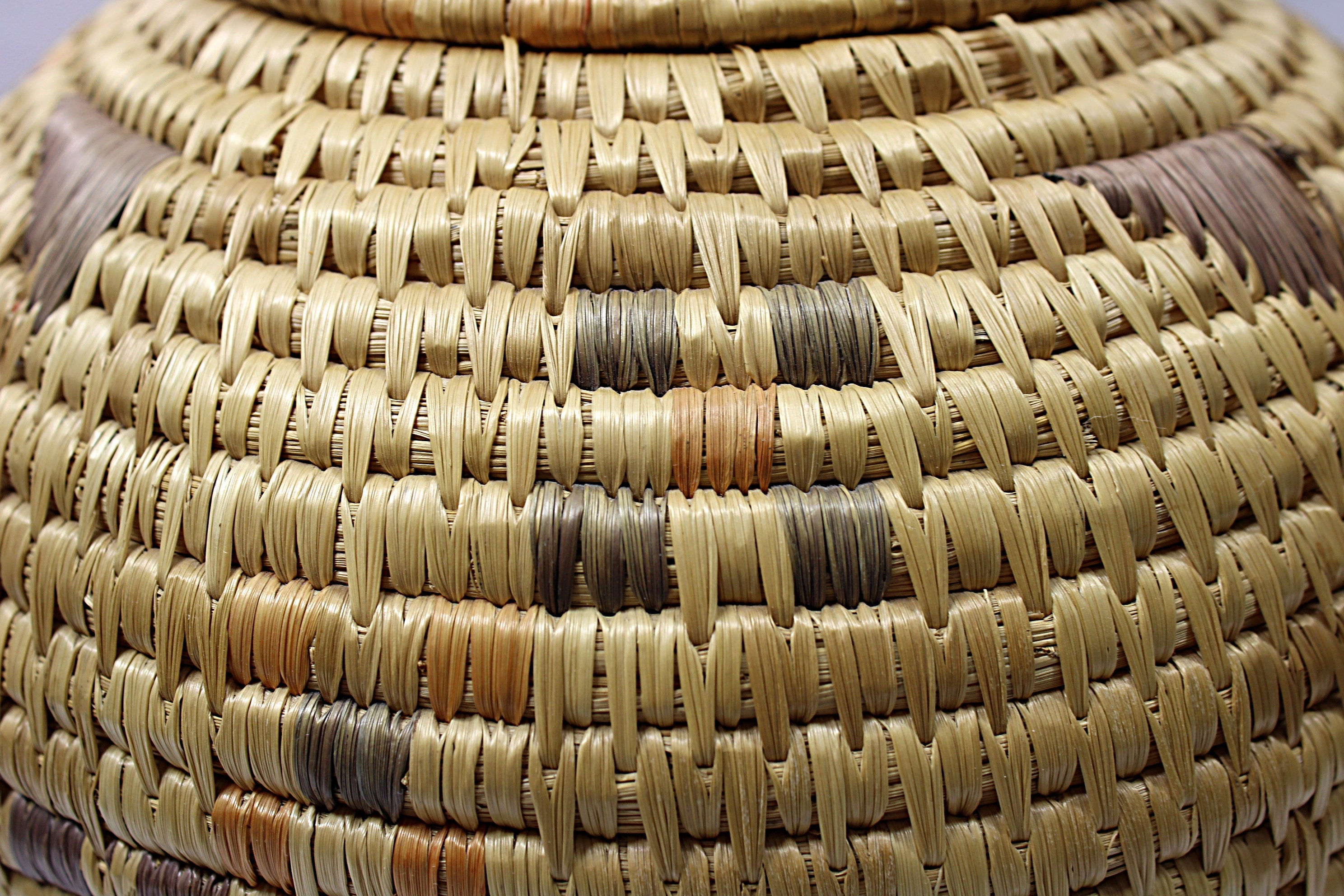
- Geometric Patterns: Geometric patterns, such as triangles, diamonds, and zigzags, are frequently used in Yupik basket weaving. These patterns can represent mountains, rivers, or other natural features. They often symbolize balance, harmony, and the interconnectedness of all things.
- Animal Motifs: Animals play a central role in Yupik culture, and animal motifs are commonly incorporated into basket designs. Fish, birds, and seals are often depicted, representing the importance of these animals as a food source and their spiritual significance.
- Human Figures: While less common, human figures may also appear in Yupik basket weaving. These figures can represent ancestors, shamans, or other important figures in Yupik society.
- Storytelling Patterns: Some Yupik baskets feature patterns that tell specific stories or legends. These baskets serve as visual narratives, preserving and transmitting cultural knowledge from one generation to the next.
Weaving Techniques
- Coiling: Coiling is a technique in which a foundation of grass or other material is spiraled and then stitched together with roots or other flexible materials. This technique is often used to create strong and durable baskets.
- Twining: Twining involves weaving two or more strands of material around a stationary warp. This technique can create a variety of textures and patterns.
- Plaited: Plaiting is a technique in which strands of material are interwoven in a checkerboard pattern. This technique is often used for creating flat or slightly curved surfaces.
The Role of Color in Yupik Basket Weaving
- Red: Red is often associated with life, energy, and passion. It can also represent blood and sacrifice.
- Black: Black can symbolize death, darkness, or the underworld. It can also represent strength and resilience.
- White: White is often associated with purity, peace, and spirituality. It can also represent snow and ice, which are important elements of the Yupik environment.
- Yellow: Yellow can symbolize the sun, warmth, and happiness. It can also represent gold and wealth.
Preserving the Tradition of Yupik Basket Weaving
- Apprenticeship Programs: Apprenticeship programs provide opportunities for young Yupik people to learn basket weaving from experienced elders.
- Cultural Centers: Cultural centers offer workshops, demonstrations, and exhibitions that showcase Yupik basket weaving and other traditional arts.
- Museum Collections: Museums play a vital role in preserving and studying Yupik baskets. They also provide access to these cultural artifacts for researchers and the public.
- Supporting Artists: Purchasing Yupik baskets directly from artists or through reputable organizations helps to support their livelihoods and encourages them to continue practicing their craft.
The Economic Impact of Yupik Basket Weaving
Yupik basket weaving provides an important source of income for many Yupik families. The sale of baskets at local markets, craft fairs, and online platforms helps to support the local economy and sustain traditional livelihoods. The economic impact of Yupik basket weaving extends beyond individual artists and families, contributing to the overall economic well-being of Yupik communities.

Yupik Basket Weaving in Contemporary Art
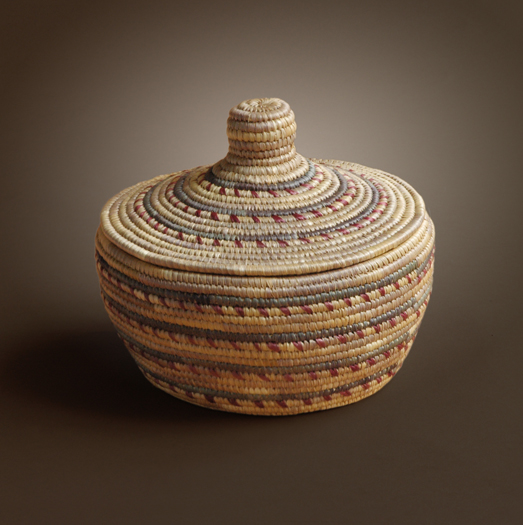
Yupik basket weaving has gained recognition as a significant form of contemporary art. Yupik artists are pushing the boundaries of traditional techniques and materials, creating innovative and thought-provoking works that reflect their experiences and perspectives. These contemporary baskets are exhibited in galleries and museums around the world, raising awareness of Yupik culture and art.
Caring for Yupik Baskets
- Store baskets in a cool, dry place: Avoid exposing baskets to direct sunlight or excessive humidity, as this can cause them to fade or warp.
- Handle baskets with clean hands: Oils and dirt from your hands can damage the delicate fibers of the basket.
- Dust baskets regularly with a soft brush: This will help to remove dust and debris that can accumulate over time.
- Avoid using harsh chemicals or cleaners: These can damage the natural materials of the basket.
- Consider professional conservation: If your basket is damaged or in need of repair, consult a professional conservator who specializes in ethnographic objects.
The Future of Yupik Basket Weaving
The future of Yupik basket weaving depends on the continued commitment of Yupik people to preserving their cultural heritage. By supporting Yupik artists, promoting cultural education, and advocating for the protection of natural resources, we can help to ensure that this beautiful and meaningful art form continues to thrive for generations to come.
Where to Find Authentic Yupik Baskets
- Yupik Cultural Centers: Many Yupik cultural centers sell baskets made by local artists.
- Native Alaskan Craft Fairs: These fairs provide a direct opportunity to purchase baskets from the artists themselves.
- Online Marketplaces: Some online marketplaces specialize in selling Native American and Alaskan Native art. Be sure to research the seller and ensure that they are selling authentic Yupik baskets.
- Reputable Galleries: Certain galleries that specialize in indigenous art may carry Yupik baskets.
The Connection to Storytelling
Many Yupik baskets are not just beautiful objects, but also vessels for storytelling. The patterns and designs woven into the baskets can represent specific stories, legends, or historical events. These baskets serve as visual aids for oral traditions, helping to preserve and transmit cultural knowledge from one generation to the next. The act of weaving itself can be seen as a form of storytelling, with each stitch and strand contributing to the overall narrative.
The Importance of Sustainability
Sustainability is a core value in Yupik culture, and it is reflected in the way that basket weaving materials are harvested and used. Yupik weavers are careful to harvest materials in a way that does not harm the environment, ensuring that these resources will be available for future generations. They also use every part of the plant or animal, minimizing waste and maximizing the use of available resources. This commitment to sustainability is an integral part of the Yupik basket weaving tradition.
The Spiritual Dimension
For many Yupik people, basket weaving is not just a craft, but also a spiritual practice. The act of weaving can be a meditative and transformative experience, connecting the weaver to their ancestors and the natural world. Some weavers incorporate prayers or blessings into their work, imbuing the baskets with spiritual power. The finished baskets are often used in ceremonies and rituals, further emphasizing their spiritual significance.
Yupik Basketry vs. Other Native Alaskan Basketry
While Yupik basketry shares some similarities with other Native Alaskan basketry traditions, there are also distinct differences. For example, Athabascan basketry often utilizes birch bark and spruce root, while Tlingit basketry is known for its intricate designs and use of cedar bark and spruce root. Each tradition has its own unique materials, techniques, and patterns that reflect the specific cultural and environmental context in which it developed.
The Challenges of Climate Change
Climate change poses a significant threat to Yupik basket weaving. Rising temperatures, melting permafrost, and changes in precipitation patterns are affecting the availability of traditional basket weaving materials. Yupik weavers are adapting to these challenges by experimenting with new materials and techniques, but the long-term impact of climate change on this art form remains uncertain. Supporting efforts to mitigate climate change and protect the environment is essential for preserving Yupik basket weaving for future generations.
How to Learn More About Yupik Culture
- Visiting Yupik Cultural Centers: Cultural centers offer exhibits, workshops, and other programs that provide insights into Yupik history, traditions, and contemporary life.
- Reading Books and Articles: There are many books and articles available on Yupik culture, written by Yupik scholars and researchers.
- Watching Documentaries and Films: Documentaries and films can provide a visual and auditory experience of Yupik culture.
- Supporting Yupik Organizations: There are many organizations that work to promote and preserve Yupik culture. Supporting these organizations can help to ensure that Yupik traditions continue to thrive.
Conclusion
Yupik basket weaving patterns are more than just decorative elements; they are windows into the rich cultural heritage of the Yupik people. By understanding the materials, techniques, and symbolism of these baskets, we can gain a deeper appreciation for the artistry and ingenuity of Yupik weavers. Preserving this tradition is essential for ensuring that future generations can continue to learn from and be inspired by the beauty and wisdom of Yupik culture. From geometric designs representing the natural world to animal motifs embodying spiritual connections, each basket tells a story of resilience, adaptation, and cultural identity. As climate change and modernization pose challenges, supporting Yupik artists and cultural preservation efforts becomes increasingly vital. By purchasing authentic baskets, visiting cultural centers, and educating ourselves about Yupik traditions, we can contribute to the ongoing legacy of this remarkable art form.


