
Inuit printmaking is a captivating art form that offers a window into the rich culture and traditions of the Inuit people. Originating in the mid-20th century, it has evolved into a significant means of artistic expression, showcasing the Inuit’s deep connection to the Arctic landscape, their spiritual beliefs, and their daily lives. This article delves into the techniques, history, and cultural importance of Inuit printmaking, answering common questions and providing a comprehensive overview of this unique art form.
What is Inuit Printmaking?
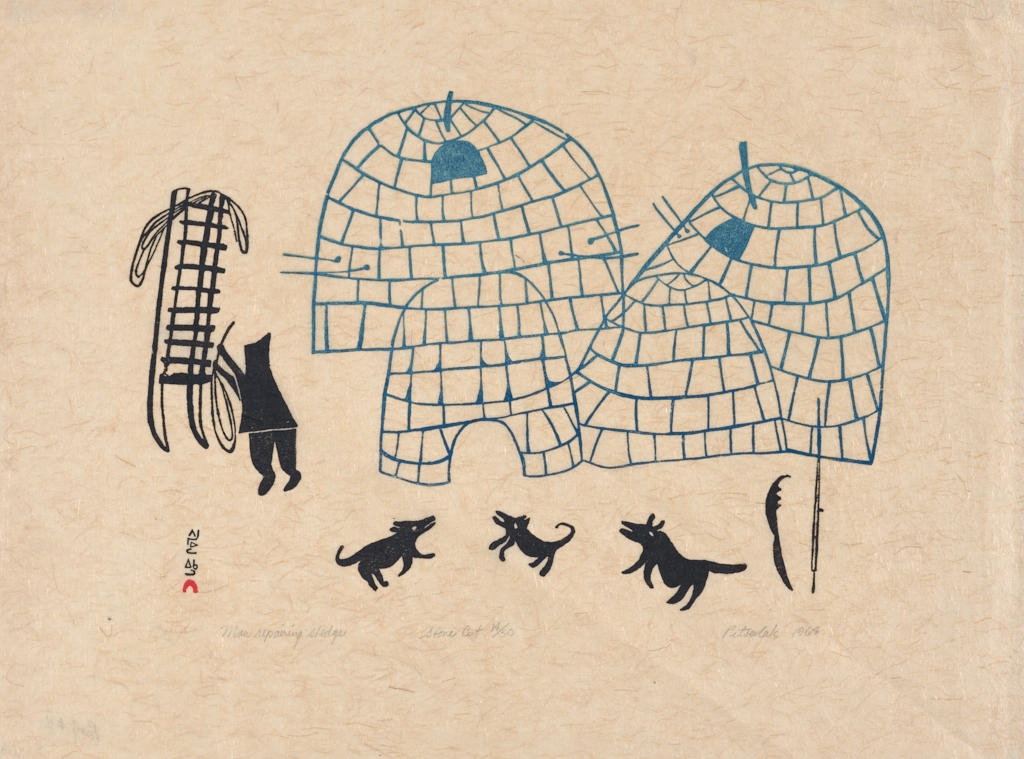
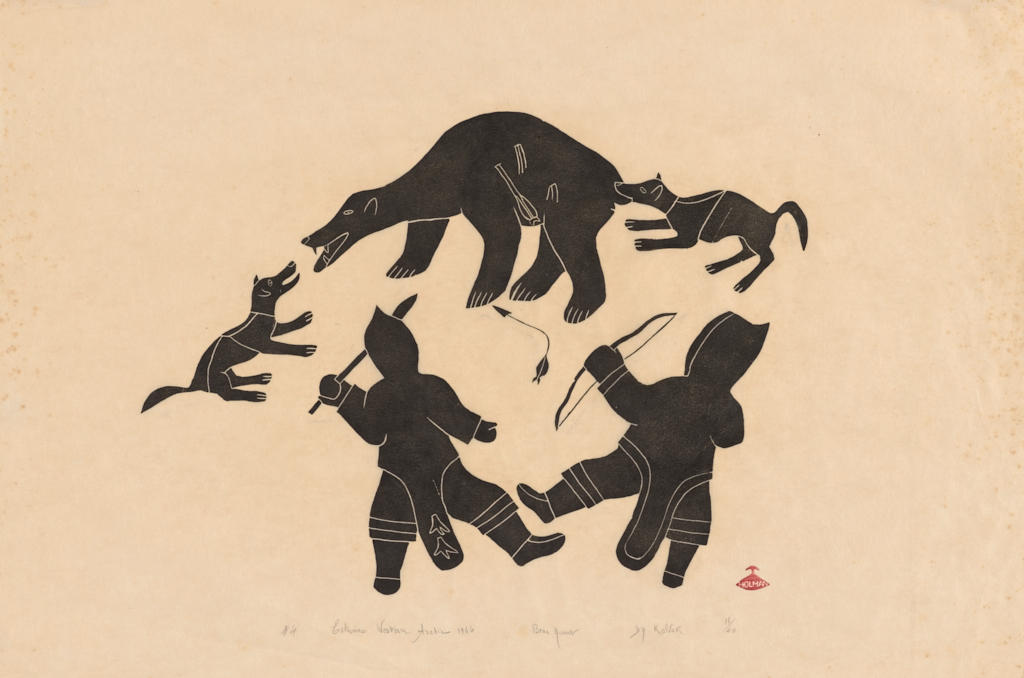
Inuit printmaking refers to the art of creating prints by Inuit artists, primarily in the Canadian Arctic. These prints often depict scenes of traditional life, hunting, animals, legends, and spiritual beliefs. The art form is characterized by its distinctive style, which combines bold lines, intricate details, and a strong sense of narrative.
A Brief History of Inuit Printmaking
The story of Inuit printmaking began in the late 1950s when James Houston, a Canadian artist and civil servant, introduced printmaking techniques to the Inuit community of Cape Dorset (now Kinngait) on Baffin Island. Houston recognized the artistic talent within the community and saw printmaking as a way to generate income and preserve Inuit culture. The West Baffin Eskimo Co-operative was established, providing artists with materials, training, and a market for their work. The first collection of Cape Dorset prints was released in 1959, marking the beginning of a new era for Inuit art.
The initiative quickly spread to other Inuit communities, including Puvirnituq (now Povungnituk) in Quebec and Holman (now Ulukhaktok) in the Northwest Territories. Each community developed its own distinct style and techniques, contributing to the diversity of Inuit printmaking.
Key Inuit Printmaking Techniques
Stonecut is one of the most iconic Inuit printmaking techniques. It involves carving an image into a flat stone, usually soapstone. The artist uses specialized tools to remove the areas that will not be printed, leaving the raised areas to hold the ink. Ink is then applied to the stone, and paper is placed on top. Pressure is applied to transfer the image onto the paper, creating a print. Stonecut prints are characterized by their bold lines, textured surfaces, and strong graphic quality.
Stenciling involves cutting a design into a stencil material, such as sealskin or paper. The stencil is placed on paper, and ink is applied through the cut-out areas. This technique allows for the creation of intricate patterns and designs. Stencil prints often feature delicate lines and subtle variations in color.
Engraving involves using a sharp tool, such as a burin, to carve an image directly into a metal or plastic plate. Ink is applied to the plate, and the surface is wiped clean, leaving ink only in the carved lines. Paper is placed on top, and pressure is applied to transfer the image onto the paper. Engravings are known for their fine lines and precise details.
Lithography is a planographic printing technique that relies on the principle that oil and water repel each other. The artist draws an image onto a stone or metal plate using a greasy crayon or ink. The surface is then treated with chemicals to fix the image. During printing, the plate is dampened with water, which is repelled by the greasy areas. Ink is applied, which adheres only to the greasy image. Paper is placed on top, and pressure is applied to transfer the image onto the paper. Lithography allows for the creation of prints with a wide range of tones and textures.
The Printmaking Process: A Step-by-Step Overview
The artist begins by creating a drawing or design. This may be based on personal experiences, traditional stories, or observations of the natural world.
Depending on the chosen technique, the artist prepares the printing matrix, such as carving a stone, cutting a stencil, or engraving a plate.
Ink is applied to the matrix, ensuring that it covers the raised areas (in the case of stonecut) or penetrates the cut-out areas (in the case of stencils).
Paper is placed on top of the inked matrix, and pressure is applied to transfer the image onto the paper. This may be done by hand or with a printing press.
The artist creates a limited number of prints from the same matrix. Each print is considered an original work of art.
Each print is signed and numbered by the artist, indicating its position within the edition.
The Cultural Significance of Inuit Printmaking
Inuit printmaking is more than just an art form; it is a vital means of cultural preservation and expression. The prints often depict scenes of traditional life, such as hunting, fishing, and family activities. They also showcase Inuit spirituality, legends, and beliefs. By creating these prints, Inuit artists are able to share their culture with the world and pass it on to future generations.
Inuit prints serve as visual records of a way of life that is rapidly changing due to modernization and climate change. They document traditional skills, knowledge, and values, helping to ensure that they are not lost.
Many Inuit prints tell stories, both historical and mythical. These stories provide insights into Inuit beliefs, values, and worldview.
Printmaking has provided Inuit communities with a sustainable source of income, allowing them to maintain their cultural identity while participating in the modern economy.
Notable Inuit Printmakers
Kenojuak Ashevak was one of the most celebrated Inuit artists of the 20th century. Her prints are characterized by their vibrant colors, intricate designs, and depictions of animals and birds. She is best known for her iconic print “The Enchanted Owl.”
Pitseolak Ashoona was a prolific artist whose prints depict scenes of traditional Inuit life, legends, and spiritual beliefs. Her work is characterized by its bold lines, strong compositions, and narrative content.
Jessie Oonark was known for her large-scale textile art and prints. Her work often features vibrant colors, geometric patterns, and depictions of animals and human figures.
Lucy Qinnuayuak was renowned for her whimsical and imaginative prints, which often depict birds, animals, and mythical creatures. Her work is characterized by its playful spirit and colorful palette.
Answering Common Questions About Inuit Printmaking (People Also Ask)
What materials are used in Inuit printmaking?
Inuit printmaking utilizes a variety of materials, including soapstone, sealskin, paper, ink, and specialized carving tools. The specific materials used depend on the chosen printing technique.
How are Inuit prints made?
Inuit prints are made using various techniques, such as stonecut, stencil, engraving, and lithography. Each technique involves carving or preparing a matrix, applying ink, and transferring the image onto paper.
Where can I buy Inuit prints?
Inuit prints can be purchased from galleries, museums, and online retailers that specialize in Inuit art. It is important to buy from reputable sources to ensure authenticity and support Inuit artists.
How do I care for Inuit prints?
To care for Inuit prints, it is important to protect them from direct sunlight, humidity, and extreme temperatures. They should be framed with acid-free materials and stored in a dry, stable environment.
Are Inuit prints valuable?
The value of Inuit prints varies depending on the artist, the rarity of the print, its condition, and its provenance. Prints by well-known artists, such as Kenojuak Ashevak and Pitseolak Ashoona, are often highly sought after by collectors.
Conclusion: The Enduring Legacy of Inuit Printmaking
Inuit printmaking is a testament to the creativity, resilience, and cultural richness of the Inuit people. Through their art, Inuit artists have preserved their traditions, shared their stories, and connected with the world. As you explore the world of Inuit printmaking, remember that each print is not just a work of art but a window into a vibrant and enduring culture. From the meticulous stonecut technique to the vibrant storytelling, Inuit printmaking stands as a powerful expression of identity and a valuable contribution to the global art landscape.