

For centuries, the Inuit people have not only survived but thrived in the harsh and unforgiving Arctic environment. Their deep understanding of the land, sea, and animals, coupled with their ingenious adaptations, have allowed them to master a world that many would consider uninhabitable. This article delves into the essential Inuit survival skills, exploring the techniques and knowledge that have been passed down through generations, ensuring their continued existence in the Arctic.
Understanding the Arctic Environment
The Arctic presents unique challenges: extreme cold, limited resources, vast expanses of ice and snow, and long periods of darkness. Survival in this environment demands a profound respect for its power and a comprehensive knowledge of its nuances. The Inuit possess this understanding, viewing the Arctic not as a hostile wasteland, but as a homeland that provides everything needed for survival.
Climate and Geography
The Inuit have adapted to the extreme cold, with temperatures often plummeting to -40°C or lower. They understand the importance of insulation, both in clothing and shelter. The Arctic’s geography, characterized by ice floes, tundra, and coastal regions, dictates their hunting and travel strategies.
Seasonal Changes
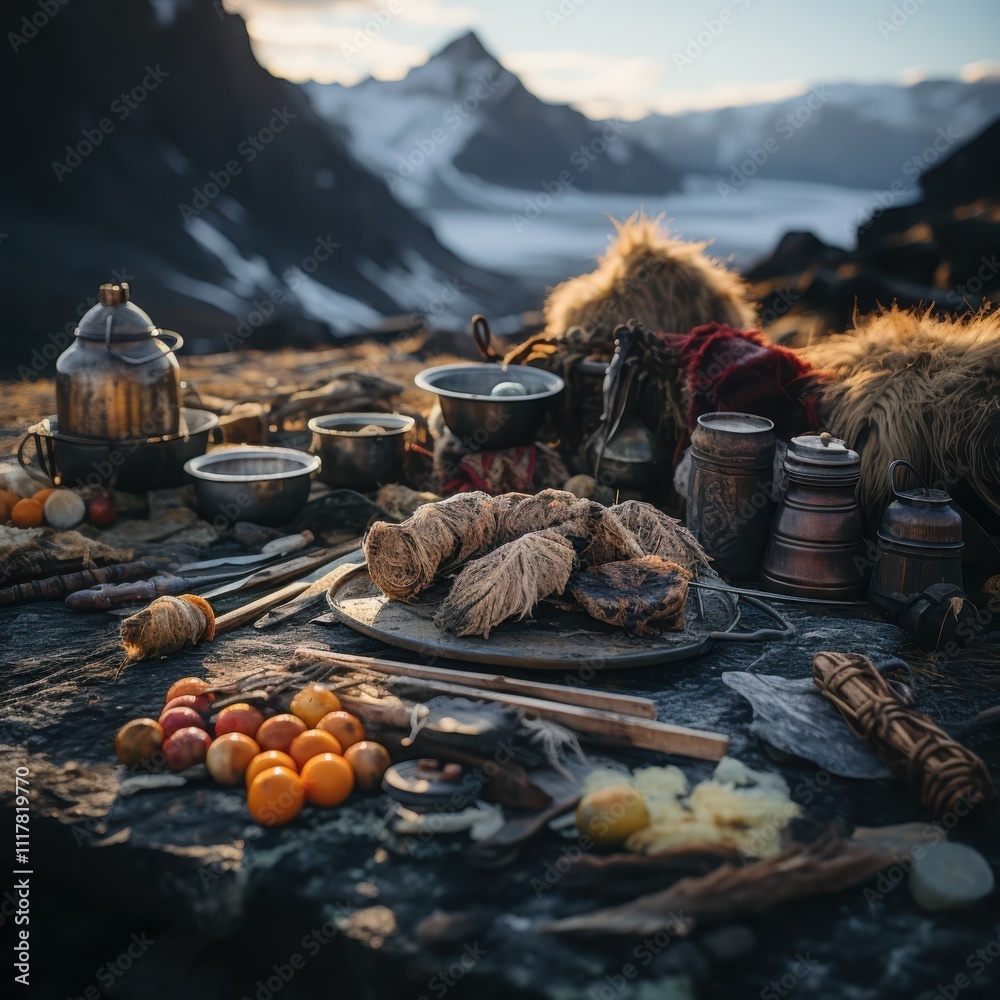

The Arctic experiences dramatic seasonal changes, from the perpetual daylight of summer to the extended darkness of winter. The Inuit calendar revolves around these changes, dictating when and where specific resources can be found. They are adept at predicting weather patterns and understanding the impact of these patterns on animal migration and ice conditions.
Essential Inuit Survival Skills
The Inuit’s survival depends on a complex set of skills honed over generations. These skills encompass hunting, shelter construction, navigation, clothing, and a deep understanding of the natural world.
Hunting Techniques
Hunting is central to Inuit life, providing food, clothing, and tools. The Inuit have developed specialized hunting techniques for different animals and seasons. These techniques often require immense patience, skill, and knowledge of animal behavior.
Seals: Seal hunting is crucial. Inuit hunters use various methods, including waiting patiently at breathing holes (aglu) in the ice during winter or stalking them on land during summer. Harpoons and kayaks are essential tools.
Walruses: Hunting walruses is dangerous but rewarding, providing large quantities of meat and blubber. Walruses are typically hunted from boats using harpoons. The Inuit are careful to respect these powerful animals.
Whales: Whale hunting is a communal activity, requiring cooperation and skill. Large boats called umiaqs are used to pursue whales, and the hunt is often accompanied by rituals and ceremonies.
Caribou: Caribou are hunted on land using bows and arrows or spears. The Inuit often construct hunting blinds to conceal themselves and ambush the caribou.


Shelter Construction: The Igloo and Beyond
The igloo is perhaps the most iconic symbol of Inuit ingenuity, but it is just one of many types of shelters used by the Inuit. The choice of shelter depends on the season, available materials, and the needs of the occupants.
Igloos: Igloos are constructed from blocks of snow, carefully shaped and fitted together to create a dome-shaped structure. The snow provides excellent insulation, trapping the warmth generated by the occupants’ bodies and lamps.
Tents (Tupiq): During the summer months, the Inuit often use tents made from animal skins (typically sealskin or caribou skin). These tents are lightweight and portable, allowing them to move easily as they follow migrating animals.
Sod Houses (Qarmaq): In some regions, the Inuit construct semi-permanent houses from sod, stone, and whalebone. These houses provide excellent insulation and protection from the elements.
Navigation and Orientation
Navigating the vast and featureless Arctic landscape requires exceptional skills. The Inuit rely on a combination of traditional knowledge, observation, and ingenuity to find their way.
Landmarks: The Inuit are adept at recognizing subtle landmarks, such as snowdrifts, rock formations, and the position of the sun and stars. They use these landmarks to create mental maps of their surroundings.
Inuit Qaujimajatuqangit (Traditional Knowledge): This encompasses a deep understanding of weather patterns, ice conditions, and animal behavior, all of which are crucial for safe travel.
Star Navigation: The Inuit use the stars to navigate during the long Arctic nights. They have a detailed knowledge of the constellations and their movements across the sky.
Clothing and Insulation
Appropriate clothing is essential for survival in the Arctic’s extreme cold. The Inuit have developed sophisticated clothing systems that provide excellent insulation and protection from the elements.
Animal Skins: Caribou skin is the preferred material for winter clothing, as it provides excellent insulation and breathability. Sealskin is used for waterproof garments.
Layering: The Inuit understand the importance of layering clothing to trap warm air and regulate body temperature. Multiple layers of fur and skin provide superior insulation.
Mukluks and Kamiks: These traditional boots are made from sealskin or caribou skin and are designed to keep the feet warm and dry. They are often lined with grass or fur for added insulation.
Tools and Technology
The Inuit have developed a wide range of tools and technologies that are perfectly adapted to the Arctic environment. These tools are often made from bone, stone, ivory, and other natural materials.
Harpoons: Harpoons are used for hunting seals, walruses, and whales. They are designed to penetrate the animal’s skin and remain securely attached, allowing the hunter to haul in the prey.
Kayaks and Umiaks: Kayaks are small, lightweight boats used for hunting and transportation. Umiaks are larger, open boats used for whale hunting and transporting people and goods.
Ulus: These versatile knives are used for a variety of tasks, including skinning animals, cutting meat, and preparing food. They have a distinctive curved blade that is easy to grip and control.
Qulliq (Stone Lamp): These lamps burn seal oil and provide light, heat, and a means of cooking food. They are an essential part of Inuit life, especially during the long winter months.
Adapting to Climate Change
The Arctic is experiencing rapid climate change, which is having a profound impact on the Inuit way of life. Rising temperatures, melting ice, and changing animal migration patterns are challenging their traditional knowledge and survival skills.
Challenges and Adaptations
The Inuit are adapting to these changes by incorporating new technologies and strategies into their traditional practices. They are also working to protect their culture and environment for future generations.
Modern Technology: The Inuit are using modern technology, such as snowmobiles and GPS devices, to supplement their traditional skills. However, they are careful to balance these technologies with their respect for the land and animals.
Community-Based Monitoring: The Inuit are actively involved in monitoring environmental changes and sharing their observations with scientists and policymakers. This helps to inform decisions about climate change mitigation and adaptation.
Preserving Traditional Knowledge: The Inuit are working to preserve their traditional knowledge by passing it on to younger generations. This ensures that these valuable skills and insights will not be lost.
The Future of Inuit Survival Skills
The Inuit’s ability to adapt and innovate has allowed them to thrive in the Arctic for centuries. Despite the challenges posed by climate change, they remain resilient and committed to preserving their culture and way of life. Their survival skills, honed over generations, continue to be relevant and valuable in a rapidly changing world.
Conclusion
The Inuit survival skills represent a remarkable testament to human ingenuity and adaptability. Their deep understanding of the Arctic environment, coupled with their specialized hunting techniques, shelter construction methods, navigation skills, and clothing systems, have allowed them to thrive in one of the most challenging environments on Earth. As the Arctic continues to change, the Inuit’s traditional knowledge and resilience will be more important than ever in ensuring their continued survival and cultural preservation.
The Inuit’s story is a powerful reminder of the importance of respecting the natural world and learning from those who have lived in harmony with it for centuries. Their survival skills offer valuable lessons for anyone seeking to understand and navigate the challenges of a changing world.


