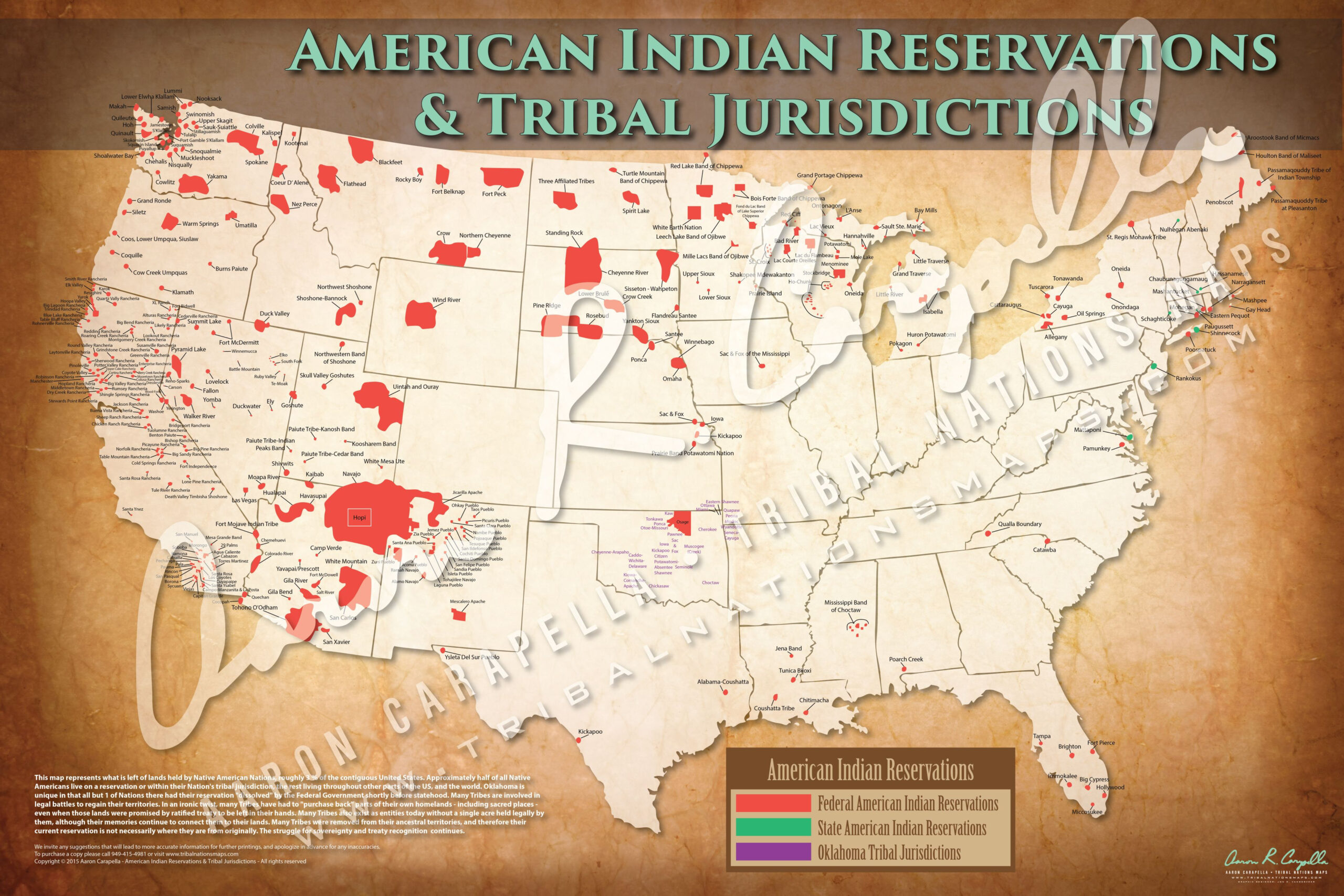

Understanding what defines a tribal land is crucial for anyone seeking to grasp the intricate relationship between Indigenous peoples and the United States government. Far from being a simple geographical designation, tribal land represents a complex mosaic of history, law, culture, and sovereignty. These territories are not merely parcels of real estate; they are the ancestral homes, cultural strongholds, and political foundations of Native American nations.
At its core, tribal land refers to land held by the United States in trust for the benefit of a federally recognized tribe or individual Native Americans, or land owned outright by a tribe in fee simple. However, this legal definition only scratches the surface of its true meaning and implications. The concept is deeply intertwined with notions of self-governance, cultural preservation, and a legacy of treaties and federal Indian policy.
The journey to define tribal land begins with history. Before European colonization, Indigenous peoples occupied the entire North American continent, living according to their own laws, cultures, and traditions. Their relationship with the land was spiritual, economic, and political, forming the bedrock of their societies. These were their ancestral lands, stewarded for generations.
The arrival of European settlers and the subsequent formation of the United States dramatically altered this landscape. Through a combination of warfare, treaties, and forced removals, vast Indigenous territories were diminished, leading to the establishment of what are now commonly known as Indian reservations.
These reservations were often created through treaties, which were agreements between sovereign nations. While many treaties were violated, their existence underscores the original recognition of tribal sovereignty by the U.S. government. The creation of reservations was, in many cases, an attempt to confine Native populations to specific areas, but it also inadvertently solidified a legal basis for their continued existence as distinct political entities.
- All land within the limits of any Indian reservation under the jurisdiction of the United States Government, notwithstanding the issuance of any patent, and including rights-of-way running through the reservation.
- All dependent Indian communities within the borders of the United States whether within or without the limits of a state.
- All Indian allotments, the Indian titles to which have not been extinguished, including rights-of-way running through the same.


This definition is critical because it determines where federal, state, and tribal governments have jurisdiction. It’s not just about who owns the land, but who has the authority to govern it.
One of the most significant aspects defining tribal land is its trust status. Much of tribal land is held in trust by the U.S. government for the benefit of tribes or individual Native Americans. This means the federal government holds the legal title, while the tribe or individual holds the beneficial interest.
The trust relationship is a unique legal doctrine, often described as a guardian-ward relationship, though modern interpretations emphasize tribal self-determination within that framework. It places a fiduciary duty on the federal government to protect tribal assets, resources, and sovereignty.
However, not all land within a reservation boundary is trust land. There can be parcels of fee simple land owned by non-Natives or even tribal members, creating complex jurisdictional checkerboards. This ‘checkerboarding’ can lead to significant challenges in governance, law enforcement, and resource management.
Sovereignty is perhaps the most defining characteristic of tribal land. Federally recognized tribes possess inherent sovereign powers, meaning their authority predates the United States Constitution. While their sovereignty is dependent on, and limited by, the federal government, it grants them the right to self-governance.
This self-governance includes the ability to form their own governments, enact and enforce laws, establish court systems, regulate commerce, manage natural resources, and provide essential services to their citizens. The extent of this authority varies depending on the specific tribe and federal law.
The cultural and spiritual significance of tribal lands cannot be overstated. For many Indigenous nations, their identity, traditions, languages, and spiritual practices are inextricably linked to specific geographical areas. These lands are repositories of ancestral knowledge, sacred sites, and traditional ecological wisdom.
Protecting and preserving these lands is therefore paramount for the cultural survival and revitalization of Native peoples. It’s about maintaining a connection to their heritage and ensuring that future generations can access and learn from these vital cultural landscapes.
Economic development on tribal lands has become increasingly important. Tribes are leveraging their sovereign status to establish diverse economies, including gaming, tourism, energy production, agriculture, and manufacturing. This economic self-sufficiency is a critical component of strengthening tribal nations and providing opportunities for their members.

However, economic development must often navigate complex regulatory environments, balancing tribal self-determination with federal oversight and environmental concerns. Resource management, particularly for natural resources like water, timber, and minerals, is a significant area where tribal sovereignty and federal regulations intersect.
Are tribal lands sovereign nations? Yes, federally recognized tribes are considered domestic dependent nations, possessing inherent sovereignty. While their sovereignty is not absolute and is subject to federal law, they maintain significant powers of self-governance.
Can anyone live on tribal land? Generally, no. While some tribes permit non-members to reside on their lands under specific conditions (e.g., leases, employment), residency is typically restricted to tribal citizens. Rules vary widely by tribe.
Do tribal lands pay taxes? This is complex. Tribal governments do not pay federal or state income taxes. Tribal members living on tribal land typically do not pay state income tax on income earned on the reservation, but they do pay federal income tax. Sales taxes and property taxes also have unique jurisdictional rules, often collected by the tribal government.
Is tribal land private property? Tribal land is not typically private property in the conventional sense. Most tribal land is held in common by the tribe as a whole, or by the U.S. in trust for the tribe. Individual allotments exist where specific parcels are held in trust for individuals, but these are still distinct from fee simple private property.
The role of treaties continues to be a defining factor. Despite historical betrayals, treaties remain legally binding documents that affirm the rights of Indigenous nations. They are often the basis for claims to land, water, and other resources, and they continue to shape the legal landscape of tribal lands.
Federal Indian policy has swung dramatically over the centuries, from removal and assimilation (e.g., the Dawes Act which sought to break up tribal landholdings into individual allotments) to reorganization and self-determination (e.g., the Indian Reorganization Act and subsequent policies supporting tribal governance). Each policy shift has left an indelible mark on the definition and management of tribal lands.
Understanding tribal land is crucial for fostering respect, promoting justice, and building equitable relationships. It requires acknowledging the unique legal and political status of Indigenous nations, recognizing their inherent rights, and supporting their efforts at self-determination and cultural preservation.
In conclusion, what defines a tribal land is a multifaceted concept rooted in a rich history, complex legal frameworks, and profound cultural significance. It encompasses the legal designation of Indian Country, the protective trust relationship with the federal government, and the inherent sovereignty of Native American nations.
These lands are not just geographical areas; they are living legacies of resilience, cultural identity, and the ongoing struggle for self-determination. A true understanding requires appreciating the distinct status of these territories and the enduring rights of the Indigenous peoples who call them home.


