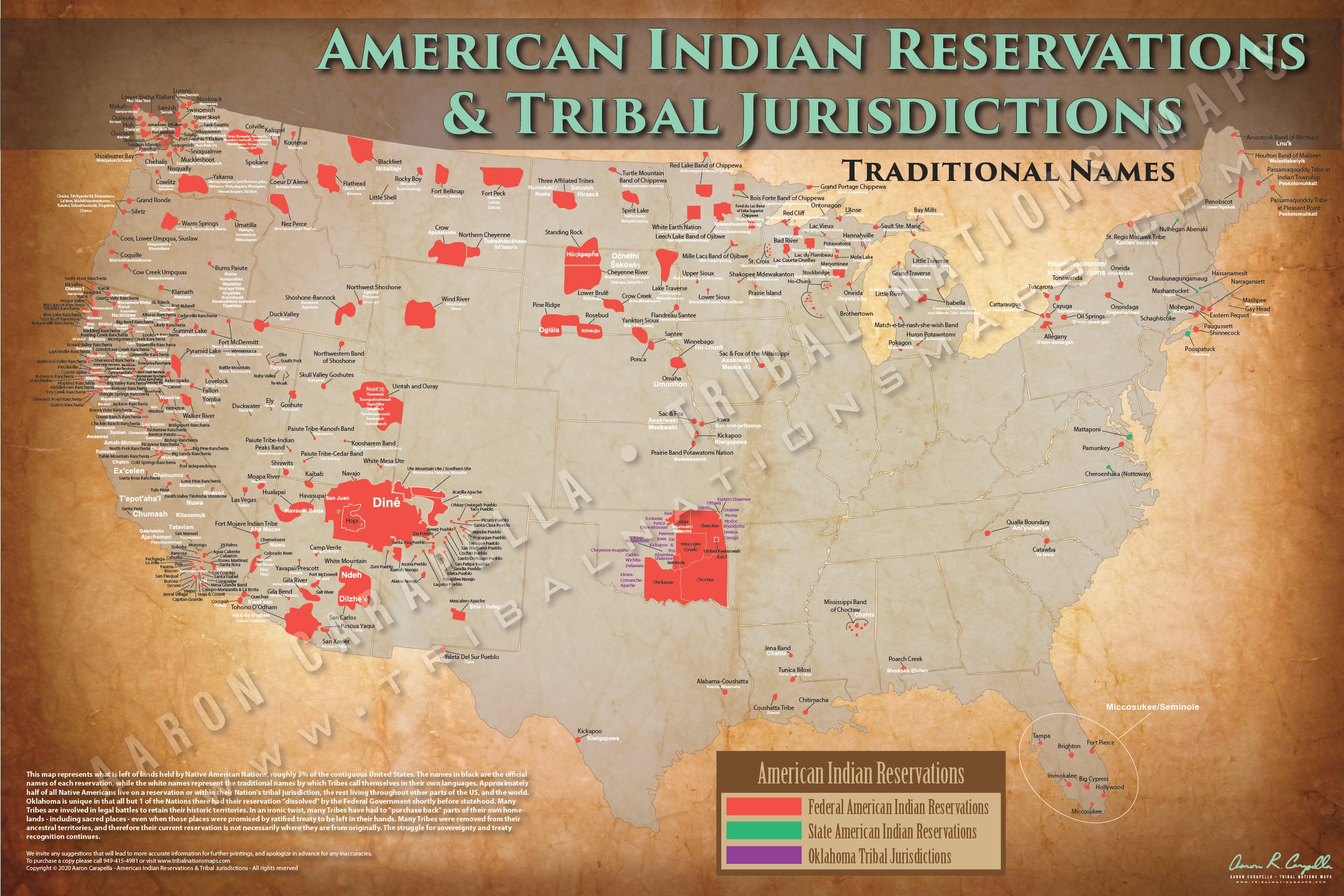

Indian Reservations in the United States represent a unique and often misunderstood facet of American law and governance. Far from being simple tracts of land, they embody a complex tapestry of history, sovereignty, and intergovernmental relations. Understanding their legal status requires delving into centuries of treaties, federal policies, and landmark court decisions.
At its core, the legal status of Indian Reservations is rooted in the concept of tribal sovereignty. This isn’t a power granted by the U.S. government, but an inherent authority that predates the formation of the United States itself. However, this sovereignty is not absolute and operates within the framework of federal law, leading to a dynamic and often challenging legal landscape.
This comprehensive guide aims to demystify the legal standing of these lands, exploring the historical context that shaped them, the intricate jurisdictional issues that arise, and the ongoing challenges faced by tribal nations today. We will address common questions and clarify misconceptions, providing a clearer picture of what it means to live on or interact with an Indian Reservation.
A Legacy Forged in Treaties: The Historical Context
The establishment of Indian Reservations was a direct consequence of European colonization and the subsequent expansion of the United States. Initially, relations between European powers and Native American tribes were often defined by treaties, recognizing tribes as distinct sovereign nations capable of negotiating agreements.
These early treaties, though frequently violated, laid the foundation for the unique government-to-government relationship that persists today. They often involved land cessions in exchange for promises of protection, resources, and the right to self-governance within designated territories.

As the U.S. expanded westward, federal policy shifted dramatically. The era of ‘removal’ in the 19th century saw many tribes forcibly relocated to lands west of the Mississippi, often under brutal conditions. This period further solidified the concept of reservations as distinct, separate territories for Native peoples.
The Allotment Era, particularly under the Dawes Act of 1887, marked another destructive phase. This policy aimed to break up communal tribal lands into individual plots, with the stated goal of assimilating Native Americans into mainstream society. The result was a catastrophic loss of tribal land, with millions of acres passing out of Native American hands.
It wasn’t until the Indian Reorganization Act of 1934 that federal policy began to shift towards supporting tribal self-governance and land retention, attempting to reverse some of the damage caused by allotment. This act encouraged tribes to adopt written constitutions and establish formal tribal governments, strengthening their inherent sovereignty.
Understanding Tribal Sovereignty: ‘Domestic Dependent Nations’
The cornerstone of the legal status of Indian Reservations is tribal sovereignty. In the landmark 1831 case of Cherokee Nation v. Georgia, Chief Justice John Marshall famously described Indian tribes as ‘domestic dependent nations.’ This phrase encapsulates their unique position: they are sovereign entities, yet their sovereignty is limited by their relationship with the federal government.
This inherent sovereignty means that tribal nations possess the power to govern themselves, establish their own laws, operate their own judicial systems, and manage their lands and resources. They are not merely subdivisions of states or the federal government; they are distinct governmental powers.
However, tribal sovereignty is not absolute. It is subject to the ‘plenary power’ of the U.S. Congress, meaning Congress has ultimate authority over Indian affairs. While Congress has largely exercised this power to support tribal self-determination in recent decades, it theoretically retains the ability to legislate on tribal matters, though this power is increasingly scrutinized and limited by judicial interpretation.
Jurisdictional Complexities on Reservations: Who Has Authority?
One of the most intricate aspects of the legal status of Indian Reservations concerns jurisdiction – who has the authority to make and enforce laws. This varies significantly depending on the nature of the offense (criminal or civil), the parties involved (Native American or non-Native), and specific historical agreements or federal laws like Public Law 280.


Criminal Jurisdiction: A Patchwork of Authority
- Tribal Courts: Have jurisdiction over crimes committed by tribal members against other tribal members within the reservation. Their authority over non-Natives has been severely limited by Supreme Court decisions like Oliphant v. Suquamish Indian Tribe (1978), which held that tribal courts lack inherent criminal jurisdiction over non-Indians.
- Federal Courts: Have jurisdiction over certain ‘major crimes’ (e.g., murder, rape, arson) committed by or against Native Americans on reservations, as defined by the Major Crimes Act. They also have jurisdiction over crimes committed by non-Natives against non-Natives on reservations.
- State Courts: Generally lack criminal jurisdiction over crimes committed by or against Native Americans on reservations. However, some states (known as ‘Public Law 280 states’) were granted broad criminal and civil jurisdiction over reservations within their borders by the federal government in 1953.
The Supreme Court’s 2020 decision in McGirt v. Oklahoma significantly impacted criminal jurisdiction in eastern Oklahoma, affirming that a large portion of the state remains an Indian reservation for purposes of the Major Crimes Act, thereby shifting jurisdiction for major crimes involving Native Americans from state to federal or tribal courts.
Civil Jurisdiction: Determining Rights and Responsibilities
Civil jurisdiction is equally nuanced. Tribal courts generally have civil jurisdiction over disputes arising on the reservation, especially those involving tribal members. This includes matters such as contracts, torts, family law, and property disputes.
State courts typically do not have jurisdiction over civil matters involving tribal members on reservation land unless explicitly authorized by federal law or tribal consent. Federal courts act as appellate bodies for tribal court decisions in some instances and handle cases involving federal questions or diversity of citizenship.
Taxation: Who Collects What?
Another common area of confusion is taxation. Do Native Americans pay taxes? The answer is yes, like all U.S. citizens, with specific exemptions depending on income source and residency.
- Tribal Taxes: Tribal governments have the inherent authority to levy taxes on reservation lands, including sales taxes, property taxes, and business taxes.
- State Taxes: States generally cannot tax tribal members living and earning income on reservation land. However, state sales taxes may apply to purchases made by non-Natives on reservations, and tribal members may be subject to state income taxes if they earn income off-reservation.
- Federal Taxes: Native Americans are subject to federal income tax, social security tax, and other federal taxes, just like any other U.S. citizen. The primary exception is income derived directly from trust lands, which may be exempt.
Land Ownership and Environmental Regulation
Land on Indian Reservations can be held in different forms: ‘trust land’ (owned by the U.S. government for the benefit of the tribe or individual Native Americans) or ‘fee simple’ land (privately owned, often by Native Americans or non-Natives). This distinction impacts jurisdiction and regulatory authority.
Tribal governments typically have authority over land use planning and environmental regulations on their trust lands, often in cooperation with federal agencies like the Environmental Protection Agency (EPA). States generally have limited authority over environmental matters on tribal trust lands.
Common Misconceptions and Clarifications
- ‘Reservations are separate countries.’ While tribes are sovereign nations, they are ‘domestic’ dependent nations within the U.S. and subject to federal law. Tribal citizens are U.S. citizens.
- ‘Native Americans don’t pay taxes.’ As explained, this is largely false. Most Native Americans pay federal and often state taxes, with specific exemptions for income derived from trust lands.
- ‘Tribal law is always absolute on reservations.’ Tribal law is paramount for many internal matters, but federal law can preempt tribal law, and state law may apply in specific, federally authorized circumstances, particularly for non-Natives.
- ‘Everyone on a reservation is Native American.’ Non-Native individuals and businesses often reside and operate on reservations, making jurisdictional questions even more complex.
Modern Challenges and Future Directions
The unique legal status of Indian Reservations brings both opportunities and significant challenges. Tribal nations strive for economic development, self-sufficiency, and improved infrastructure, healthcare, and educational outcomes for their communities.
Ongoing legal battles continue to shape the boundaries of tribal sovereignty, particularly concerning land claims, water rights, and criminal jurisdiction, as exemplified by recent Supreme Court cases.
The federal government’s trust responsibility to Native American tribes remains a critical component of their legal status, requiring the government to protect tribal lands, assets, and treaty rights. This responsibility underpins many of the federal programs and services directed towards reservations.
Tribes are increasingly asserting their sovereignty through strategic litigation, economic diversification, and building strong intergovernmental relationships with federal and state entities. The push for greater self-determination and the recognition of inherent tribal rights continues to be a driving force in federal Indian law and policy.
Conclusion: A Living, Evolving Legal Framework
The legal status of Indian Reservations is a dynamic and evolving framework, deeply rooted in historical treaties and continually shaped by legislative acts and judicial interpretations. It is characterized by the inherent sovereignty of tribal nations, limited by their unique relationship with the U.S. federal government as ‘domestic dependent nations.’
Understanding this complex system requires an appreciation for the historical injustices, the resilience of tribal governments, and the intricate jurisdictional divisions that define life on these lands. It is a testament to the enduring presence and self-determination of Native American peoples within the broader fabric of the United States.
As we move forward, fostering respect for tribal sovereignty and engaging in meaningful government-to-government consultation will be crucial for addressing the challenges and supporting the self-sufficiency and well-being of Indian Country.


