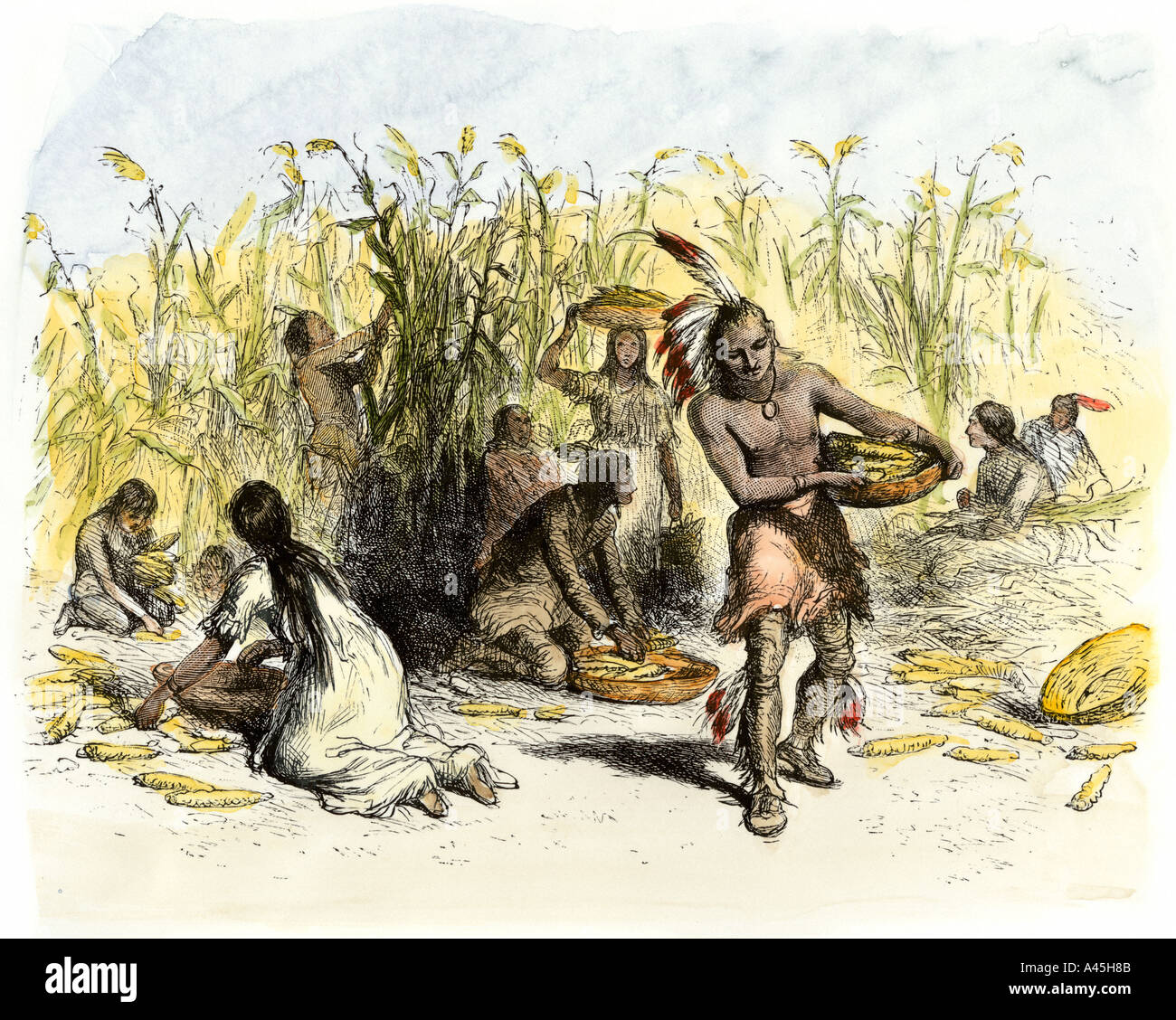

Agriculture on Indian Reservations represents a complex tapestry woven from historical legacies, profound cultural connections, economic aspirations, and a powerful drive for self-determination. Far from a monolithic entity, farming and ranching within tribal lands encompass a diverse array of practices, from traditional sustenance farming to large-scale commercial operations, all contributing significantly to the fabric of Native American communities.
Understanding the current state of agriculture in these sovereign nations requires an appreciation of its deep roots. For millennia, Indigenous peoples across North America cultivated sophisticated agricultural systems, developing resilient crop varieties, intricate irrigation methods, and sustainable land management practices that shaped entire ecosystems. These practices were intrinsically linked to spiritual beliefs, social structures, and cultural identity.
The arrival of European colonizers and subsequent U.S. government policies dramatically disrupted these established systems. Forced relocation, land dispossession, and the imposition of foreign agricultural models severed many tribes from their traditional foodways and ancestral lands. The Dawes Act of 1887, for instance, fragmented communal landholdings, further eroding the foundation of tribal agricultural economies.
Today, tribal nations are actively engaged in reclaiming and revitalizing their agricultural heritage. This movement is not merely about growing food; it is about restoring health, strengthening cultural bonds, asserting economic independence, and achieving food sovereignty – the right of peoples to healthy and culturally appropriate food produced through sustainable methods, and their right to define their own food and agriculture systems.
One of the primary challenges confronting agriculture on Indian Reservations is the unique land tenure system. Much of the land within reservation boundaries is held in trust by the U.S. government, complicating land use, collateral for loans, and long-term planning. Fragmented land ownership, often due to historical allotment policies, can create logistical hurdles for large-scale farming operations and make consolidation difficult.
Access to sufficient and clean water is another critical issue. Many reservations are located in arid or semi-arid regions, making water rights and infrastructure paramount. Historical treaties often grant tribal nations senior water rights, yet these rights have frequently been contested or inadequately developed, leading to disputes and limiting agricultural potential.

Securing adequate capital and financing remains a significant barrier for many Native American farmers and ranchers. Traditional lending institutions may be hesitant due to the complexities of trust land and perceived risks. While federal programs exist, navigating bureaucratic processes can be daunting, and the scale of funding often falls short of tribal needs.
Infrastructure deficiencies, including limited access to processing facilities, cold storage, reliable transportation networks, and broadband internet, can hinder market access and profitability. Without robust infrastructure, tribal producers may struggle to bring their products to wider markets or add value through processing.
Policy and regulatory frameworks, often designed without adequate tribal consultation, can also present challenges. Navigating federal, state, and tribal regulations can be complex, and policies may not always align with tribal priorities or traditional agricultural practices.
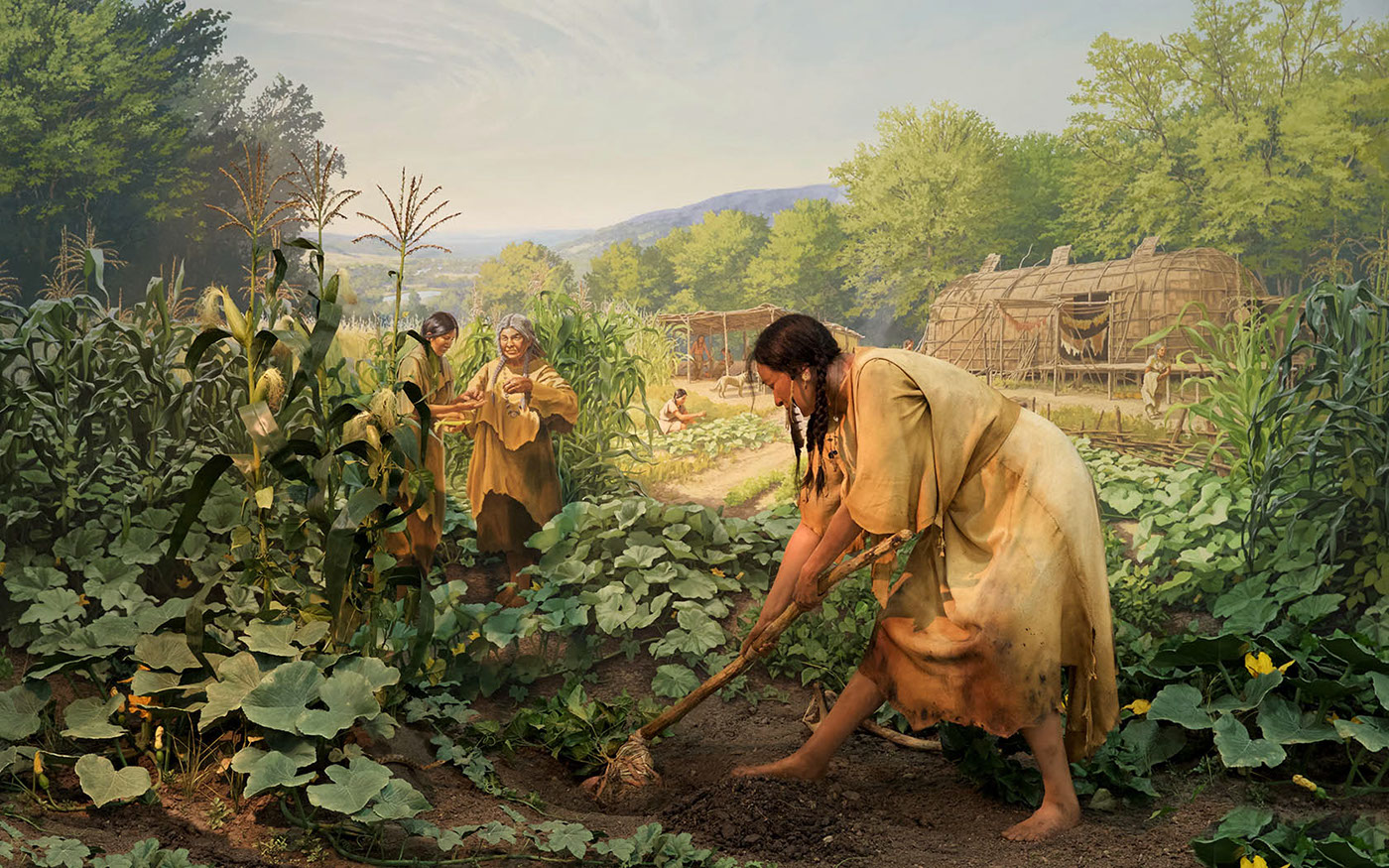
Despite these formidable challenges, the landscape of tribal agriculture is vibrant with innovation and resilience. Many tribal nations are investing in diversified agricultural operations, ranging from traditional crops like corn, beans, and squash to specialty crops, orchards, livestock, and aquaculture.
The integration of Traditional Ecological Knowledge (TEK) is a cornerstone of modern tribal agriculture. This involves applying centuries of accumulated wisdom regarding sustainable land management, seed saving, water conservation, and ecosystem stewardship. TEK-informed practices often lead to more resilient and environmentally friendly farming methods.
Regenerative agriculture principles are gaining traction on reservations, focusing on soil health, biodiversity, and carbon sequestration. Practices such as no-till farming, cover cropping, and rotational grazing are being adopted to restore ecological balance and enhance productivity.
Food sovereignty initiatives are at the heart of many tribal agricultural efforts. These programs aim to create self-sufficient food systems that provide healthy, culturally appropriate foods for tribal members, reduce reliance on external food sources, and strengthen community health. This often involves establishing farmers’ markets, community gardens, food cooperatives, and tribal food processing facilities.
The economic impact of tribal agriculture is substantial and growing. Beyond direct food production, agriculture generates employment, supports local businesses, and can be a significant driver of economic diversification. Value-added products, such as traditional herbal remedies, processed foods, and artisanal goods, further enhance economic opportunities.
Several federal programs, primarily through the U.S. Department of Agriculture (USDA), offer support to tribal agriculture. These include grants for infrastructure, conservation programs, crop insurance, and technical assistance. However, continuous advocacy is needed to ensure these programs are culturally competent and accessible.

Non-profit organizations and academic institutions also play a vital role, partnering with tribal communities to provide training, research, and advocacy. These collaborations often focus on capacity building, sustainable practices, and market development.
Successful examples abound across the country. From tribes revitalizing bison herds as a source of cultural pride and economic sustenance, to those establishing large-scale fruit and vegetable farms that supply both tribal members and external markets, the diversity of successful tribal agricultural ventures is inspiring.
Many tribes are establishing their own agricultural departments, land management offices, and food policy councils to guide development and ensure alignment with tribal values. This self-governance in agriculture is crucial for long-term success and sustainability.
The future of agriculture on Indian Reservations is bright with potential. Continued investment in infrastructure, robust policy advocacy, and the empowerment of tribal farmers and ranchers will be key. Education and training programs that blend traditional knowledge with modern agricultural science are essential for nurturing the next generation of Indigenous food producers.
Ultimately, agriculture on Indian Reservations is more than just farming; it is a powerful expression of sovereignty, cultural revitalization, and self-determination. By cultivating their lands, tribal nations are not only feeding their people but also strengthening their economies, preserving their heritage, and building healthier, more resilient communities for generations to come.
In summary, the journey of agriculture on Indian Reservations is characterized by a profound connection to the land, a history of resilience in the face of adversity, and a vibrant future driven by food sovereignty and sustainable practices. Addressing challenges related to land, water, and capital, while leveraging traditional knowledge and innovative approaches, is paramount for continued growth and success in tribal food systems.
The ongoing efforts to reclaim and innovate within tribal agriculture serve as a powerful model for sustainable development and community empowerment, demonstrating how ancient wisdom can inform modern solutions for food security and economic prosperity.


