

Echoes of Earth and Spirit: Reclaiming Traditional Native American Birthing Wisdom
In a world increasingly defined by sterile hospital rooms and medical interventions, there exists a profound counter-narrative, a tapestry woven from millennia of ancestral wisdom: traditional Native American birthing practices. Far from the clinical gaze, Indigenous birth was, and for many still is, a sacred journey – a deeply spiritual, community-centered, and earth-connected experience that honors the profound power of women and the miracle of life. This journalistic exploration delves into the rich heritage of these traditions, their tragic erosion, and the powerful, resilient movement to reclaim them, offering invaluable lessons for all societies.
For millennia, across the vast and varied landscapes of North America, Indigenous peoples nurtured a profound understanding of birth, viewing it not as a medical event, but as a natural, spiritual passage. Each nation, from the Diné (Navajo) in the Southwest to the Lakota on the Plains and the Haudenosaunee in the Northeast, held unique ceremonies, customs, and knowledge systems surrounding pregnancy, birth, and postpartum care. Yet, common threads ran through these diverse practices: a deep reverence for the land, the power of women, the wisdom of elders, and the unbreakable bond between mother, child, and community.
At the heart of traditional Native American birthing was the concept of holistic well-being. Preparation for birth began long before conception, with prayers, ceremonies, and a focus on spiritual, emotional, and physical health. Women were encouraged to maintain an active lifestyle, eat traditional foods that nourished their bodies and spirits, and connect deeply with their environment. The land itself was often seen as a co-creator and guide, providing not only sustenance but also sacred spaces for birthing and healing herbs.
"Our ancestors understood that birth is a spiritual act, a connection to the Creator and to all our relations," explains Katsi Cook (Mohawk), a renowned midwife and environmental health advocate. "It’s not just about a baby coming out; it’s about the mother’s journey, the family’s journey, and the community’s journey into a new phase of life."
The role of the traditional midwife, often an elder woman revered for her wisdom and experience, was paramount. These women, known by various names such as ihkamotona (Blackfeet), na’ashjé’íí asdzáá (Navajo spider woman), or simply "grandmothers," were not merely birth attendants; they were spiritual guides, herbalists, counselors, and keepers of sacred knowledge. They understood the nuances of the female body, the ebb and flow of labor, and the spiritual dimensions of childbirth. Their hands-on care was complemented by storytelling, songs, prayers, and rituals designed to ease pain, calm fears, and invoke blessings.
Birth often took place in familiar, sacred spaces – perhaps a family home, a traditional dwelling like a hogan or tipi, or a secluded spot in nature. The atmosphere was one of quiet strength and support. The birthing woman was surrounded by her female relatives – her mother, sisters, aunts, and grandmothers – who offered comfort, encouragement, and practical assistance. Men, while generally not present in the immediate birthing space, played crucial supportive roles in the community, ensuring the family’s needs were met and protecting the sacredness of the moment.
Pain management was approached through a blend of physical and spiritual techniques. Instead of seeing pain as something to be eliminated, it was often viewed as a powerful force, a gateway to the new life. Women were encouraged to move freely, to find positions that felt natural, and to draw strength from their spiritual connection. Herbs like red raspberry leaf for uterine toning, or cedar and sage for purification, were commonly used. Massage, warm compresses, and specific breathing techniques were also part of the midwife’s toolkit. The emphasis was on empowering the woman to trust her body and her innate wisdom.
After birth, the postpartum period was equally sacred. Known as the "lying-in" period, it was a time of deep rest, nourishment, and bonding for the new mother and baby. The community rallied around, taking on household duties and providing nutrient-rich traditional foods to aid the mother’s recovery. Ceremonies for the placenta, often seen as the baby’s first sibling or spiritual guide, were common. Depending on the nation, the placenta might be buried in a sacred place, often under a tree, symbolizing the child’s connection to the earth and their ancestral lands. This practice rooted the child spiritually and culturally from their very first days.
The baby’s arrival was met with joy and ceremony. Naming rituals, often involving elders or spiritual leaders, connected the child to their ancestry, their clan, and their destiny. Cradleboards, meticulously crafted and often adorned with intricate beadwork or quillwork, were not just carriers but cultural artifacts, protecting the infant and keeping them close to their mother while allowing them to observe the world around them.
However, this rich tapestry of wisdom faced brutal assaults with the advent of European colonization. The systematic suppression of Indigenous cultures, the forced relocation onto reservations, the imposition of Western education through boarding schools, and the criminalization of traditional spiritual practices led to a catastrophic loss of knowledge. Midwives were often seen as "primitive" or "unlicensed" practitioners by colonial authorities and faced persecution. Women were increasingly forced into mainstream hospitals, where their cultural practices were ignored, disrespected, or outright forbidden.
"The medicalization of birth, coupled with generations of historical trauma, severed many Indigenous communities from their birth traditions," states Nicole Martin (Anishinaabe), an Indigenous doula. "Our mothers, grandmothers, and great-grandmothers were told their ways were wrong, dangerous. That trauma echoes in our communities today, contributing to disparities in maternal and infant health."
The impact of this cultural suppression is evident in contemporary health statistics. Indigenous women in the United States face significantly higher rates of maternal mortality, preterm birth, and infant mortality compared to white women. These disparities are not just biological; they are deeply rooted in systemic racism, lack of culturally competent care, and the ongoing effects of historical trauma. Many Indigenous women report feeling isolated, disrespected, and unheard in mainstream healthcare settings, leading to a lack of trust and reluctance to seek care.
Despite these immense challenges, a powerful movement of revitalization and reclamation is sweeping across Native American communities. Indigenous midwives, doulas, and birth workers are stepping forward, often against significant systemic barriers, to bring back the old ways. They are learning from elders, meticulously researching historical texts, and adapting ancestral knowledge to contemporary contexts.
Organizations like the Native American Community Academy (NACA) and various tribal health initiatives are working to establish culturally relevant birthing centers and training programs for Indigenous birth workers. These efforts aim to create spaces where Indigenous women can birth on their own terms, surrounded by their culture, their language, and their community.
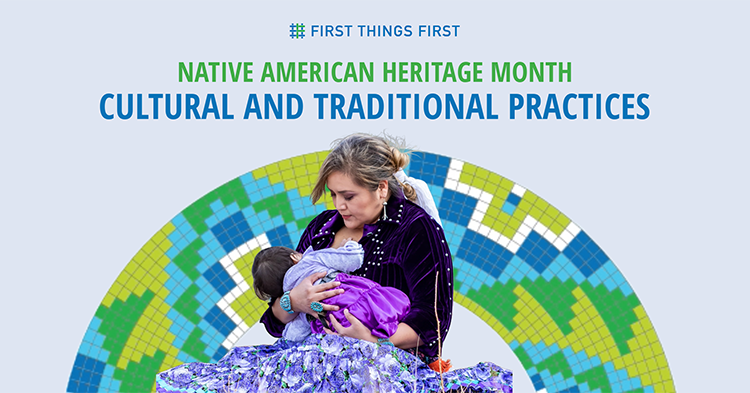

One of the core tenets of this movement is "birth sovereignty" – the right of Indigenous peoples to determine their own healthcare practices, free from external control. This means advocating for tribal self-governance in health, ensuring access to traditional medicines and ceremonies, and training a new generation of culturally grounded healthcare providers.
"Reclaiming our birth traditions is an act of sovereignty," asserts a statement from the Native American Women’s Health Education Resource Center (NAWHERC). "It’s about healing our communities, strengthening our families, and ensuring the health and well-being of our future generations."
The lessons embedded in traditional Native American birthing are not just for Indigenous peoples; they offer profound insights for all societies grappling with the increasingly medicalized and often impersonal nature of modern birth. The emphasis on community support, spiritual connection, the power of intuition, and the inherent strength of the birthing woman provides a powerful counter-narrative to a system that often treats birth as a pathology rather than a natural life process.
By understanding and respecting these traditions, we can learn to foster environments where birth is celebrated as a sacred journey, where women are empowered, and where the bond between mother, baby, and earth is honored above all else. The journey of reclaiming traditional Native American birthing is more than just a return to old ways; it is a powerful assertion of identity, resilience, and the enduring wisdom that continues to echo from the earth and spirit. It is a reminder that true healing lies not only in advanced medicine but also in the profound power of culture, community, and ancestral knowledge.


