

Embarking on a journey to an Indian Reservation offers a profound opportunity to connect with rich cultural heritage, breathtaking landscapes, and the vibrant living traditions of Indigenous peoples. These lands, often referred to as tribal lands or Native American nations, are not mere tourist attractions but sovereign territories, each with its own unique history, governance, and customs. Understanding and practicing respectful etiquette is paramount to ensuring a positive experience for both visitors and residents.
This comprehensive guide is designed to equip you with the knowledge and sensitivity needed to visit Indian Reservations thoughtfully and courteously. Our aim is to foster mutual respect, cultural appreciation, and an understanding of the distinctive status of these sovereign nations within the United States.
Understanding Tribal Sovereignty: More Than Just Land
First and foremost, it’s crucial to grasp the concept of tribal sovereignty. Indian Reservations are not federal parks or state-run entities; they are independent nations with their own laws, governments, and judicial systems. This means that when you step onto a reservation, you are entering a distinct political entity, similar to visiting another country, albeit one geographically located within the U.S. federal system. Respecting this sovereignty is the foundation of all other etiquette.
The term ‘Indian Reservation’ is the legal and historical designation, but many Indigenous communities prefer ‘tribal nation,’ ‘Native American nation,’ or ‘First Nations’ (in Canada). It’s always best to use the specific name of the tribe you are visiting when possible, for example, ‘the Navajo Nation’ or ‘the Oglala Lakota Nation.’
Why Visit Tribal Lands? A Gateway to Cultural Enrichment
Visiting a reservation offers an unparalleled chance to learn directly from Indigenous communities. You can witness traditional ceremonies, explore ancient sites, discover unique artistic expressions, and engage with contemporary Native American life. It’s an opportunity to challenge misconceptions, support tribal economies, and gain a deeper appreciation for the resilience and diversity of Indigenous cultures.
Many tribes welcome visitors to share their culture through museums, cultural centers, art galleries, powwows, rodeos, and guided tours. These experiences are invaluable for fostering cross-cultural understanding and are often vital sources of income for the community.
Before Your Visit: Essential Preparations
Research is Your Best Friend: Before planning your trip, thoroughly research the specific tribe and reservation you intend to visit. Each tribe has distinct customs, open hours, and rules regarding tourism. Check their official tribal website or tourism board for visitor guidelines, event calendars, and any necessary permits or fees.
Permits and Access: Some areas within reservations, especially sacred sites or sensitive ecological zones, may require special permits for access, or may be entirely off-limits to visitors. Always inquire about these requirements in advance and adhere strictly to any restrictions. Unauthorized entry can be considered trespassing and is a serious offense.
Travel Logistics: Be mindful of infrastructure. While some reservations have well-developed tourist facilities, others might have limited services, including gas stations, restaurants, or lodging. Plan your route, accommodations, and supplies accordingly. Cell phone service can also be spotty in remote areas.
During Your Visit: Practicing Cultural Sensitivity and Respect
Photography Etiquette: This is one of the most crucial aspects of respectful visitation. Never assume photography is permitted. Always ask for explicit permission before taking photos of people, sacred sites, or ceremonies. Some tribes or individuals may have strong spiritual beliefs about being photographed, or they may be uncomfortable with it. If permission is granted, offer to send them copies of the photos as a gesture of goodwill. Be prepared for a ‘no’ and respect it without question.
Respect Sacred Sites and Areas: Many areas on reservations hold deep spiritual significance. These could be ancient ruins, burial grounds, ceremonial spaces, or natural formations. Treat all such sites with the utmost reverence. Do not climb on, touch, remove artifacts from, or disturb any sacred place. Stay on marked trails and observe any posted signs.
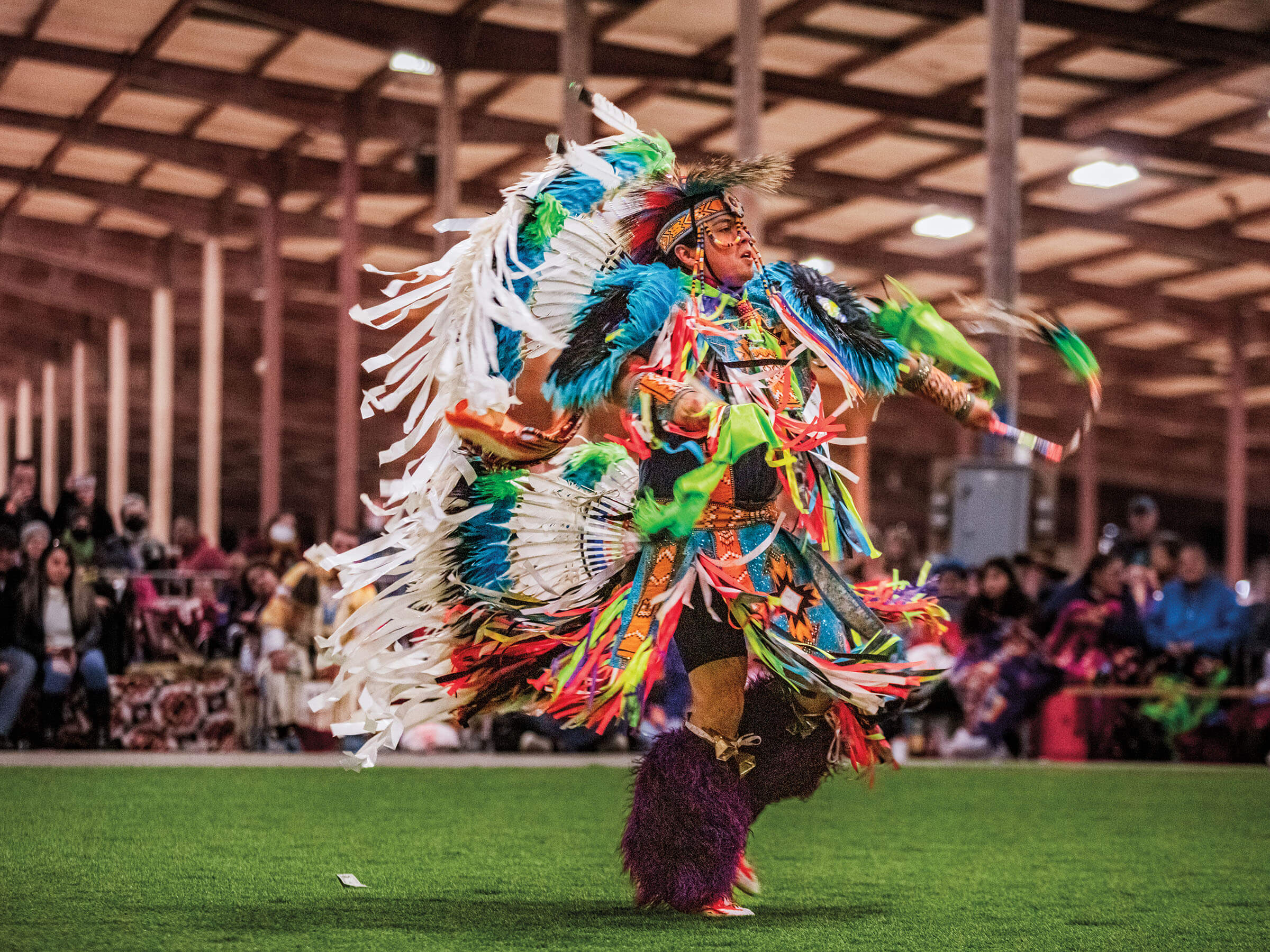

Attending Ceremonies and Events: If you are fortunate enough to be invited to or attend a public ceremony or powwow, remember that these are not performances for your entertainment, but significant cultural and spiritual events. Observe quietly and respectfully from designated visitor areas. Dress modestly, do not interrupt, and follow any instructions given by organizers or elders. Alcohol and drug use are strictly prohibited at most events.
Dress Code: While there’s no universal dress code, modesty is generally appreciated, especially when attending cultural events or visiting religious sites. Err on the side of conservative attire, avoiding overly revealing clothing.
Interacting with Residents: Engage with tribal members respectfully. A simple ‘hello’ and a smile are always appropriate. Be mindful of personal space and avoid intrusive questions about their culture, beliefs, or personal lives. If someone offers to share information or stories, listen attentively and gratefully. Do not interrupt or contradict.
Children: Keep a close eye on your children and ensure they understand and follow all rules of etiquette. Running around, loud noises, or disrespectful behavior can be disruptive, particularly during ceremonies or in quiet community spaces.
Alcohol, Drugs, and Firearms: Many reservations have strict laws regarding alcohol, drugs, and firearms, which may differ significantly from state laws. Some reservations are ‘dry’ (prohibiting alcohol possession or consumption). Always check the specific tribal laws and adhere to them strictly. Do not bring firearms onto tribal lands unless explicitly permitted and you understand the specific regulations.
Pets: If you plan to travel with pets, verify the reservation’s policy beforehand. Many tribes have strict rules about pets, particularly in communal areas or near wildlife. Always keep your pet leashed and clean up after them.
Environmental Stewardship: Leave no trace. Pack out everything you pack in, including all trash. Respect the natural environment, wildlife, and flora. Do not collect rocks, plants, or other natural elements unless explicitly permitted. Stay on designated paths to protect fragile ecosystems.
Supporting the Local Economy: Ethical Tourism
When purchasing souvenirs or crafts, always try to buy directly from tribal artists or reputable tribal businesses. This ensures that your money directly supports the local community and that you are acquiring authentic, often handmade, items. Be wary of roadside vendors selling ‘Native American’ goods that may be mass-produced imports.
Consider dining at local tribal-owned restaurants or using tribal-owned services. Your financial support helps sustain these communities and their cultural initiatives.
Common Questions & Misconceptions (People Also Ask)
Are Indian Reservations open to the public? Generally, yes, but specific areas or events may be restricted. Always check ahead.
Do I need a passport to visit a reservation? No, you do not need a passport as reservations are within the United States. However, you might need specific permits for certain activities or areas.
Is it safe to visit Indian Reservations? Like any community, safety varies. Research the specific area you plan to visit and exercise common sense. Adhering to tribal laws and respecting local customs significantly contributes to a safe visit.
What should I wear? Modest, comfortable clothing is usually appropriate. For ceremonies, err on the side of conservative attire.
Can I bring my dog? Policies vary greatly. Always check with the specific tribal authorities or event organizers before bringing pets.
Can I camp anywhere on a reservation? No. Dispersed camping is generally not permitted. Only camp in designated campgrounds and obtain any necessary permits.
Are all Native American tribes the same? Absolutely not. There are hundreds of distinct federally recognized tribes in the U.S., each with its own language, culture, traditions, and governance. Avoid generalizations and appreciate the incredible diversity.
Conclusion: A Journey of Respect and Understanding
Visiting an Indian Reservation is a privilege and an opportunity for profound learning. By approaching your trip with a spirit of humility, respect, and a genuine desire to understand, you contribute to positive cross-cultural exchanges and honor the sovereignty and heritage of Indigenous peoples. Remember that you are a guest in someone else’s home, and your actions reflect not only on you but on all future visitors. Travel thoughtfully, listen intently, and leave a positive impact.
By following these guidelines, you can ensure your visit is not only memorable but also respectful and beneficial for both yourself and the vibrant Native American communities you encounter.


