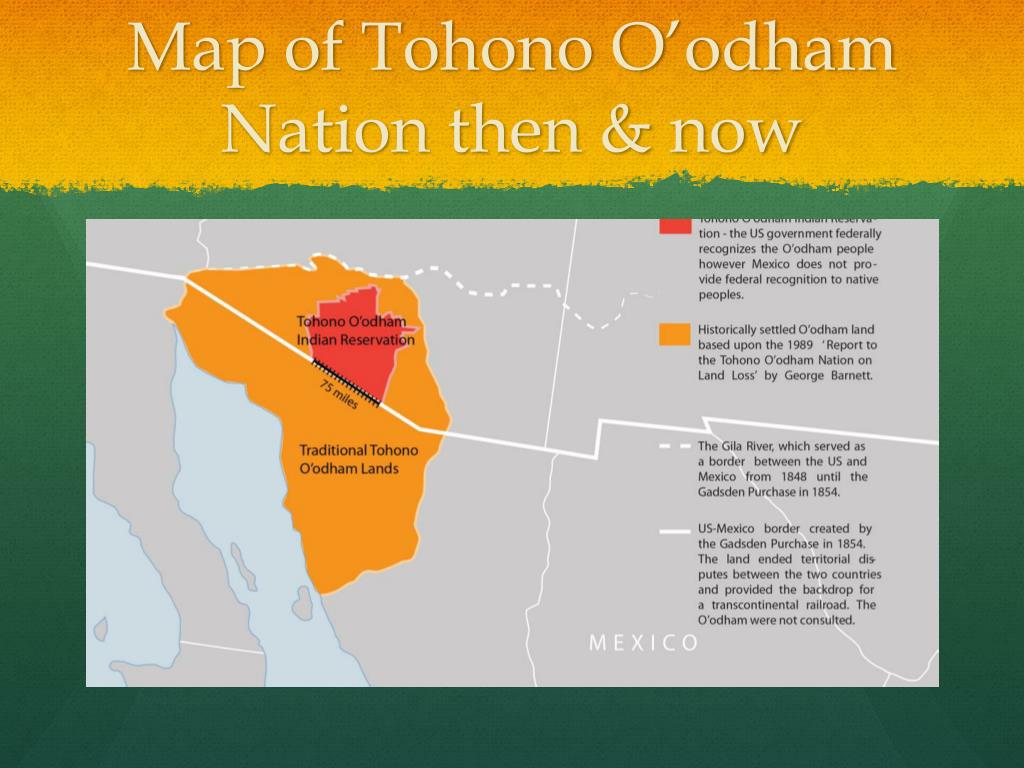
The Tohono O’odham Nation Reservation, a land of deep history and profound cultural significance, stretches across an immense expanse of the Sonoran Desert in southern Arizona. It represents not just a geographical area, but a living testament to the resilience, heritage, and ongoing sovereignty of the Tohono O’odham people, whose roots in this arid landscape run back thousands of years.
Often referred to as the ‘Desert People,’ the Tohono O’odham have meticulously preserved their traditions, language, and way of life despite centuries of external pressures. Understanding their nation involves appreciating a complex tapestry of ancient wisdom, modern governance, and an unbreakable bond with their ancestral lands.
This comprehensive guide aims to shed light on various facets of the Tohono O’odham Nation, offering insights into their history, governance, economy, culture, and the unique challenges and triumphs they face in the 21st century. Prepare to embark on a journey that reveals the heart of a vibrant indigenous community.
Ancient Roots and Enduring Heritage
The history of the Tohono O’odham people is intricately woven into the very fabric of the Sonoran Desert. Their ancestors, the Hohokam, developed sophisticated irrigation systems and agricultural practices that allowed thriving communities to flourish in this challenging environment. This legacy of adaptation and ingenuity continues to define the O’odham spirit.
For millennia, the O’odham lived a semi-nomadic existence, following the seasonal availability of resources. They harvested wild foods like the saguaro fruit, hunted desert game, and cultivated crops such as corn, beans, and squash. This deep connection to the land fostered a profound ecological knowledge and respect for nature that remains central to their worldview.
The arrival of European explorers and later, American settlers, brought dramatic changes. Treaties, land cessions, and the establishment of the international border profoundly impacted the O’odham, dividing their ancestral territory and creating new challenges to their traditional way of life.
Geography and the Vast Sonoran Landscape
The Tohono O’odham Nation Reservation is one of the largest Native American reservations in the United States, encompassing approximately 2.8 million acres (over 4,400 square miles). This vast territory is predominantly characterized by the breathtaking beauty and harsh realities of the Sonoran Desert.
Located primarily in Pima, Pinal, and Maricopa counties in Arizona, the reservation shares a 75-mile border with Mexico. This unique geographical position has significant implications, particularly concerning border security and the movement of people and goods, often impacting O’odham families separated by the international line.
The landscape is diverse, featuring majestic saguaro cacti forests, rugged mountain ranges like the Baboquivari Mountains (home to the sacred Baboquivari Peak), and ephemeral washes that burst to life during monsoon season. The climate is arid, with extreme summer temperatures and mild winters, demanding resilience from both the land and its inhabitants.
Sovereignty and Tribal Governance
As a federally recognized sovereign nation, the Tohono O’odham Nation possesses inherent rights to self-governance. Their governmental structure is a modern democratic system, yet it is deeply rooted in traditional O’odham values and principles.
The Nation is governed by a Legislative Council, a Chairperson, and a Vice-Chairperson, elected by the people. This tribal government is responsible for managing all aspects of the Nation’s affairs, including law enforcement, education, healthcare, infrastructure, and economic development, for its approximately 28,000 enrolled members.
Exercising sovereignty means the Nation has the authority to enact and enforce its own laws, manage its natural resources, and determine its own future. This self-determination is a cornerstone of their identity and crucial for protecting their cultural integrity and promoting the well-being of their people.
Economic Development and Opportunities
The Tohono O’odham Nation has strategically pursued various economic development initiatives to create opportunities for its members and strengthen its financial independence. A significant contributor to their economy is the gaming industry.
The Nation operates several successful casinos, including the Desert Diamond Casinos, which provide substantial revenue for tribal programs and services. These enterprises not only generate employment but also fund vital services in healthcare, education, and infrastructure that benefit all O’odham citizens.
Beyond gaming, the Nation is actively involved in agriculture, particularly cattle ranching, and is exploring renewable energy projects, such as solar farms, leveraging the abundant desert sunshine. These diverse economic ventures reflect a commitment to sustainable growth and self-sufficiency.
Preserving Language and Vibrant Culture
The O’odham language (Tohono O’odham or Papago) is a central pillar of the Nation’s cultural identity. Efforts are continuously made to preserve and revitalize the language, including immersion programs and educational initiatives for younger generations.
Traditional O’odham culture is rich with ceremonies, songs, dances, and storytelling that connect the people to their ancestors, their land, and their spiritual beliefs. The annual Saguaro Harvest, for example, is a significant cultural event that celebrates the bounty of the desert and reinforces communal bonds.
Arts and crafts, such as intricate basket weaving, pottery, and jewelry making, are not only expressions of artistic talent but also carry deep cultural meanings and continue to be practiced and passed down through generations. These traditions are vital for maintaining the unique identity of the Tohono O’odham.
Challenges and Resilience
The Tohono O’odham Nation faces a unique set of challenges. One of the most pressing is the impact of the U.S.-Mexico border, which bisects their ancestral lands and complicates family connections, traditional migration routes, and cultural practices. Border security measures often conflict with the Nation’s sovereign rights and the daily lives of its members.
Water rights in the arid Southwest remain a critical issue for the Nation, as access to sufficient water is essential for agriculture, economic development, and sustaining communities. The Nation has actively engaged in negotiations and legal battles to secure its rightful share of water resources.
Despite these challenges, the Tohono O’odham people demonstrate remarkable resilience. Their commitment to cultural preservation, self-governance, and sustainable development showcases a strong determination to thrive while honoring their heritage.
Visiting the Tohono O’odham Nation: Respectful Engagement
The Tohono O’odham Nation welcomes visitors who wish to learn about their culture and experience the beauty of their land, but it is crucial to do so with respect and awareness of tribal laws and customs. While large parts of the reservation are private tribal lands, certain areas are accessible.
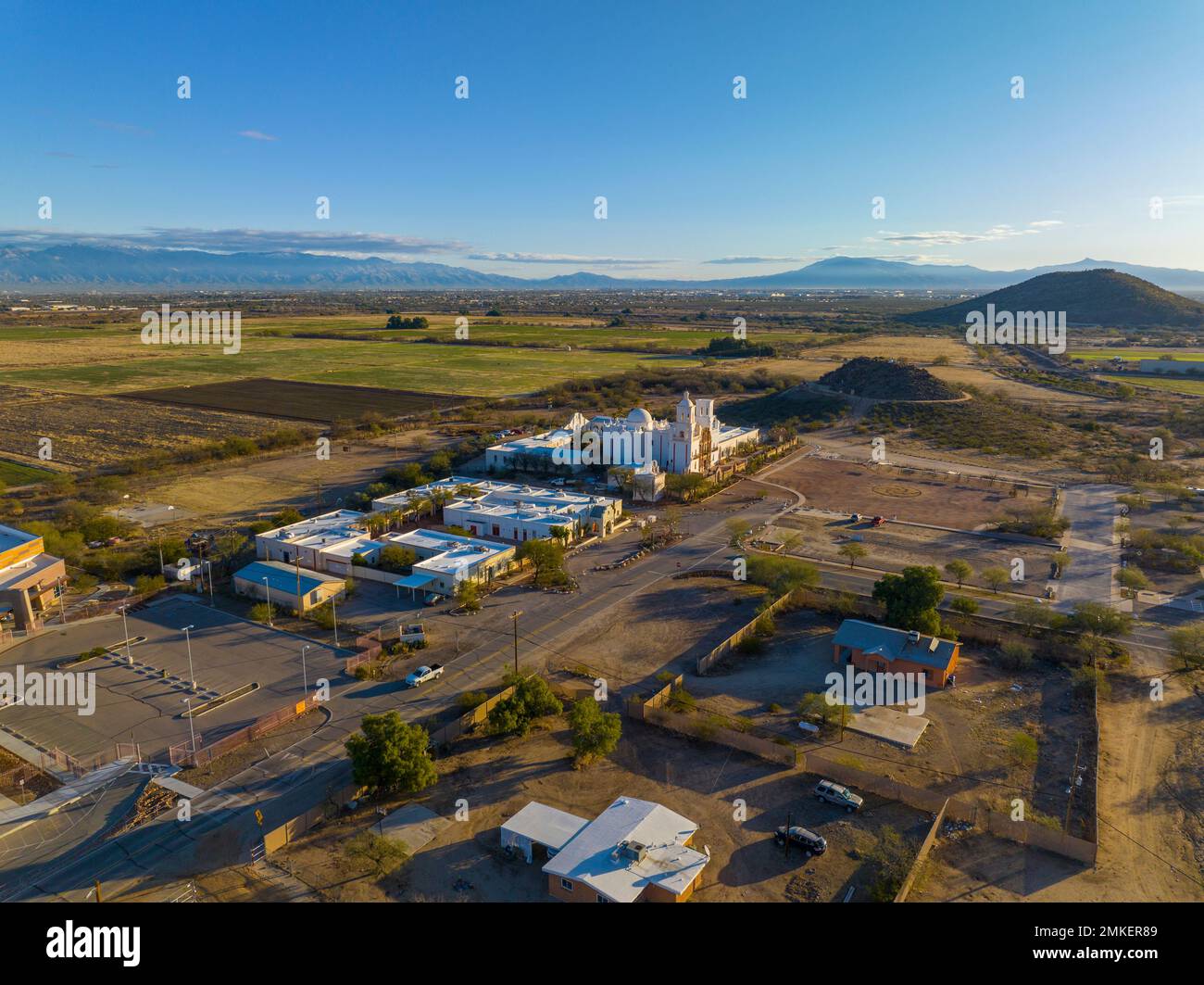
One notable point of interest, though technically just outside the main reservation, is the historic San Xavier del Bac Mission, often called the ‘White Dove of the Desert.’ This stunning mission has deep historical ties to the O’odham people, who helped build and maintain it, and it remains an active place of worship and cultural significance.
Another significant site is the Kitt Peak National Observatory, located on Kitt Peak within the reservation. This world-renowned astronomical research facility operates under a special agreement with the Nation, offering educational programs and breathtaking views of the cosmos, alongside a profound respect for the sacredness of the mountain to the O’odham.
Visitors are encouraged to support tribal enterprises, such as the casinos or local artisan shops, and to be mindful of posted signs regarding access to private lands. Always remember that you are a guest on sovereign territory.
People Also Ask: Common Questions Answered
Many curious individuals often ask about the Tohono O’odham Nation. To summarize some key points: The Nation is known for its vast land in the Sonoran Desert, its strong commitment to sovereignty, its rich O’odham language and culture, and its successful economic enterprises. Its location in southern Arizona, bordering Mexico, makes it unique.
The population of enrolled members is approximately 28,000, with many residing on the reservation. The O’odham language is still spoken and actively taught, demonstrating a robust effort to maintain linguistic heritage. Visitors can experience aspects of the Nation through specific public sites and by engaging respectfully with tribal businesses and cultural events.
Looking to the Future
The Tohono O’odham Nation continues to look forward, planning for a future that balances progress with tradition. Investments in education, healthcare, and infrastructure are ongoing, aimed at improving the quality of life for all O’odham citizens.
Their commitment to environmental stewardship, economic diversification, and the preservation of their unique cultural identity ensures that the Tohono O’odham will remain a vibrant and influential presence in the Southwest for generations to come.
The story of the Tohono O’odham Nation is one of enduring strength, cultural richness, and unwavering determination. It is a powerful reminder of the importance of indigenous sovereignty and the profound connection between people and their ancestral lands in the heart of the Sonoran Desert.