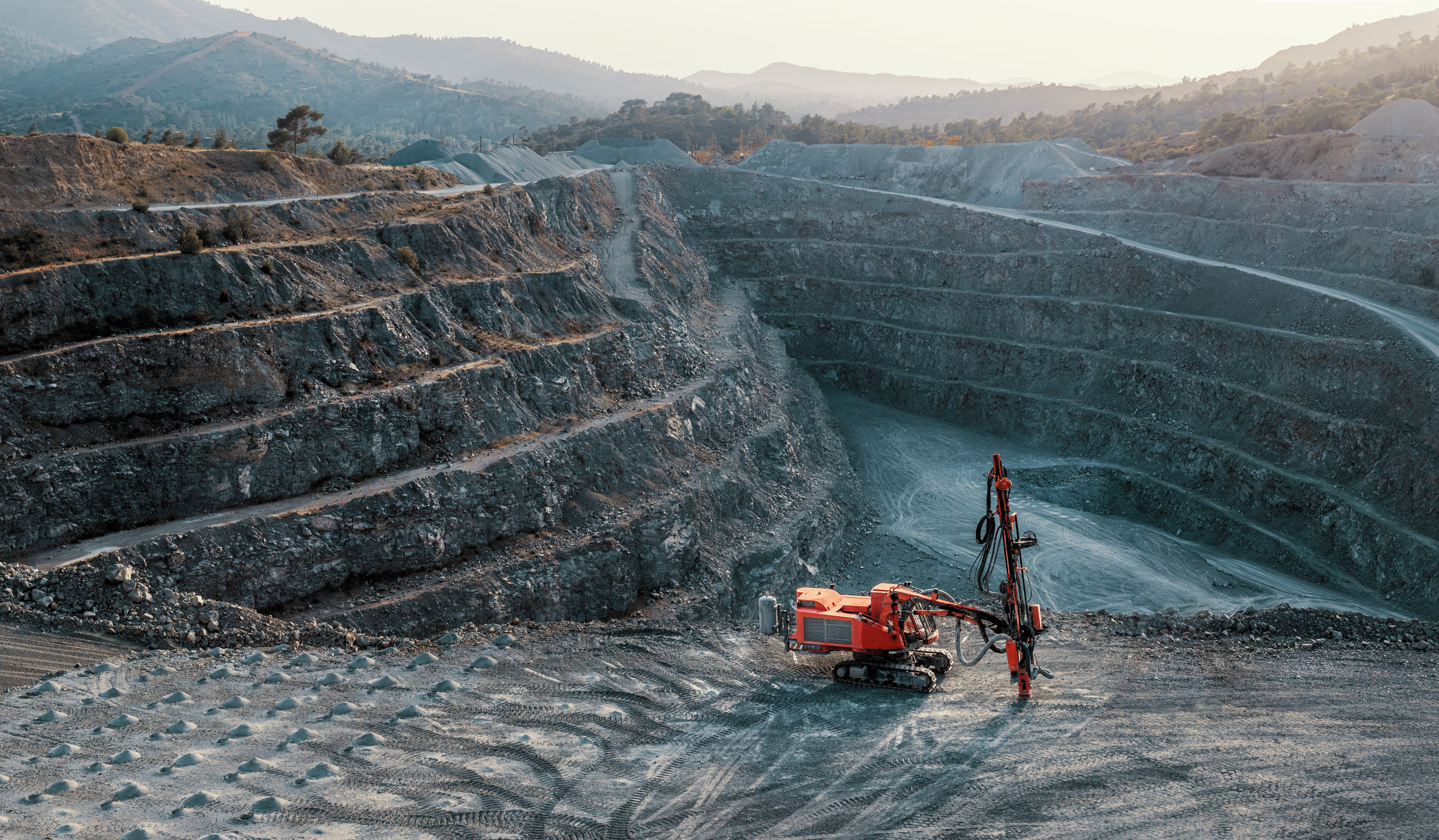
Mining on Indian reservations is a complex and often contentious issue, involving a delicate balance of economic development, tribal sovereignty, environmental protection, and cultural preservation. This comprehensive guide delves into the various facets of mineral extraction on Native American lands, exploring the legal framework, environmental impacts, economic implications, and the perspectives of the tribes themselves.
Understanding the Legal Landscape
The legal framework governing mining on Indian reservations is multifaceted, stemming from a combination of federal laws, treaties, and tribal regulations. The cornerstone of this framework is the principle of tribal sovereignty, which recognizes the inherent right of tribes to govern themselves and their lands.
Federal Laws and Regulations: Several federal laws play a crucial role in regulating mining activities. Key among these are the Indian Mineral Development Act (IMDA) of 1982 and the National Environmental Policy Act (NEPA). IMDA streamlines the process for tribes to enter into mineral development agreements, while NEPA mandates environmental impact assessments for projects that may significantly affect the environment.
Tribal Sovereignty and Self-Determination: Tribal sovereignty allows tribes to enact their own laws and regulations regarding mining. Many tribes have developed comprehensive mineral codes that address environmental protection, royalty payments, and other critical aspects of resource extraction. These codes reflect the unique cultural values and environmental concerns of each tribe.
Treaty Rights: Many treaties between the U.S. government and Native American tribes reserve specific rights related to natural resources, including mineral rights. These treaty rights can significantly impact mining activities, requiring consultation with tribes and, in some cases, tribal consent.

The Economic Impact of Mining
Mining can have a significant economic impact on Indian reservations, providing potential revenue streams, employment opportunities, and infrastructure development. However, the economic benefits are often accompanied by social and environmental costs that must be carefully considered.
Revenue Generation: Mineral royalties can provide a substantial source of income for tribes, funding essential services such as education, healthcare, and infrastructure. However, the distribution of royalties can be a complex issue, with disagreements arising over how the funds should be allocated and managed.
Employment Opportunities: Mining operations can create jobs for tribal members, reducing unemployment rates and improving economic self-sufficiency. However, these jobs often require specialized skills, and training programs may be necessary to ensure that tribal members can access these opportunities.
Infrastructure Development: Mining activities can stimulate infrastructure development on reservations, including roads, power lines, and water systems. However, this infrastructure development can also have negative environmental impacts, such as habitat fragmentation and water pollution.
Environmental Concerns and Mitigation
Mining activities can have significant environmental impacts on Indian reservations, including habitat destruction, water pollution, and air pollution. Careful planning and mitigation measures are essential to minimize these impacts and protect the environment for future generations.
Habitat Destruction: Surface mining can destroy large areas of habitat, displacing wildlife and disrupting ecosystems. Reclamation efforts, such as replanting native vegetation, can help to restore habitat, but it can take many years for ecosystems to fully recover.
Water Pollution: Mining operations can release pollutants into waterways, contaminating drinking water sources and harming aquatic life. Proper wastewater treatment and erosion control measures are essential to prevent water pollution.
Air Pollution: Mining activities can generate dust and other air pollutants, which can negatively impact air quality and human health. Dust control measures, such as spraying water on roads and stockpiles, can help to reduce air pollution.
Environmental Regulations and Enforcement: Both federal and tribal environmental regulations play a role in protecting the environment from the impacts of mining. Effective enforcement of these regulations is essential to ensure that mining operations are conducted in an environmentally responsible manner.
Tribal Perspectives and Self-Determination
The perspectives of Native American tribes are paramount in discussions about mining on their lands. Tribes have the right to make their own decisions about resource development, balancing economic opportunities with environmental protection and cultural preservation.
Balancing Economic Development and Cultural Preservation: Many tribes face the challenge of balancing the potential economic benefits of mining with the need to protect their cultural heritage and traditional way of life. Mining can disrupt sacred sites, damage cultural resources, and alter traditional land use patterns.
Consultation and Consent: Meaningful consultation with tribes is essential before any mining activities are undertaken on their lands. In some cases, tribal consent may be required, particularly if treaty rights are affected. Consultation should be a collaborative process, with tribes having a genuine voice in decision-making.
Benefit Sharing and Community Development: Mining agreements should include provisions for benefit sharing, ensuring that tribes receive a fair share of the revenues generated from mining activities. These revenues can be used to fund community development projects, such as schools, hospitals, and housing.
Case Studies: Mining on Indian Reservations
Examining specific case studies can provide valuable insights into the challenges and opportunities associated with mining on Indian reservations.
The Fort Belknap Indian Community and the Zortman-Landusky Mine: This case highlights the environmental damage that can result from poorly regulated mining operations. The Zortman-Landusky Mine, a gold mine located near the Fort Belknap Indian Reservation in Montana, caused significant water pollution and habitat destruction. The cleanup of the site is ongoing and has cost hundreds of millions of dollars.
The Navajo Nation and Uranium Mining: The Navajo Nation has a long and tragic history with uranium mining. During the Cold War, numerous uranium mines operated on the reservation, exposing Navajo miners to dangerous levels of radiation. Many Navajo people have suffered from health problems as a result of this exposure. The Navajo Nation is now working to clean up abandoned uranium mines and provide compensation to affected individuals.
The Crow Tribe and Coal Mining: The Crow Tribe in Montana has significant coal reserves and has engaged in coal mining for many years. The tribe has sought to balance the economic benefits of coal mining with the need to protect its environment and cultural heritage. The Crow Tribe has developed its own environmental regulations and has worked to ensure that mining operations are conducted in a responsible manner.
Challenges and Opportunities
Mining on Indian reservations presents a number of challenges and opportunities. Addressing these challenges and capitalizing on these opportunities requires a collaborative approach involving tribes, the federal government, and mining companies.
Environmental Justice: Mining activities on Indian reservations often raise environmental justice concerns, as tribes may bear a disproportionate share of the environmental burdens associated with resource extraction. Addressing these concerns requires ensuring that tribes have a meaningful voice in decision-making and that mining operations are conducted in an environmentally responsible manner.
Sustainable Development: Sustainable development is a key goal for many tribes. This involves balancing economic development with environmental protection and cultural preservation, ensuring that future generations can benefit from the resources on their lands.
Renewable Energy Development: Many tribes are exploring renewable energy development as an alternative to mining. Renewable energy projects, such as solar and wind farms, can provide clean energy and create jobs, while minimizing environmental impacts.
The Future of Mining on Indian Reservations
The future of mining on Indian reservations will depend on a number of factors, including the demand for minerals, the development of new technologies, and the evolving legal and regulatory landscape. It is essential that tribes have the opportunity to make their own decisions about resource development, based on their own values and priorities.
Technological Advancements: New mining technologies, such as in-situ leaching, may offer the potential to extract minerals with less environmental impact. However, these technologies must be carefully evaluated to ensure that they are safe and effective.
Policy and Regulatory Changes: Changes in federal and tribal policies and regulations can significantly impact mining activities. It is important that these changes are made in consultation with tribes and that they reflect the principles of tribal sovereignty and environmental protection.
Collaboration and Partnerships: Collaboration and partnerships between tribes, the federal government, mining companies, and other stakeholders are essential to ensure that mining on Indian reservations is conducted in a responsible and sustainable manner.
Conclusion
Mining on Indian reservations is a complex issue with significant economic, environmental, and social implications. By understanding the legal framework, environmental concerns, tribal perspectives, and the challenges and opportunities involved, we can work towards a future where resource development benefits both tribes and the environment. Respect for tribal sovereignty, meaningful consultation, and a commitment to environmental stewardship are essential for ensuring a sustainable and equitable future for mining on Native American lands.
- Tribal sovereignty is paramount in decisions regarding mining on reservations.
- Balancing economic benefits with environmental and cultural preservation is crucial.
- Meaningful consultation with tribes is essential for any mining project.
- Sustainable development and environmental justice must be prioritized.
- Collaboration and partnerships are key to responsible mining practices.


