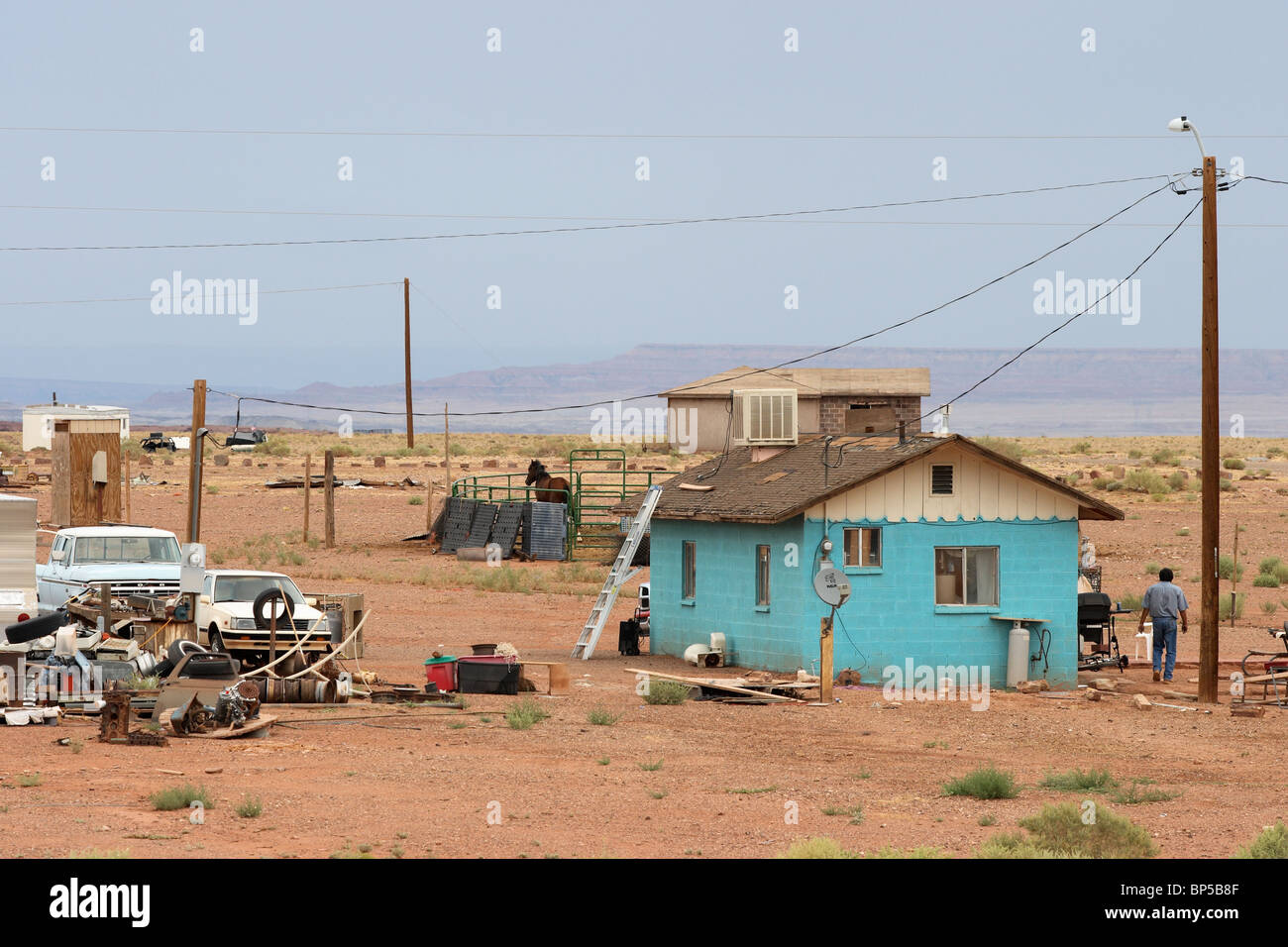

Indian Reservations, established as a result of treaties and agreements between the United States government and Native American tribes, represent a unique and often misunderstood aspect of American society. While intended to provide a degree of sovereignty and self-governance, reservations are frequently plagued by a complex web of social issues that significantly impact the lives of their residents. Understanding these challenges is crucial for fostering meaningful dialogue and developing effective solutions.
This article aims to shed light on the multifaceted social issues prevalent on Indian Reservations, exploring their historical roots, current manifestations, and potential pathways toward positive change. We will delve into areas such as poverty, healthcare access, education, substance abuse, and cultural preservation, offering a comprehensive overview of the challenges faced by Native American communities.
Historical Context: The Foundation of Current Challenges
The social issues faced by Indian Reservations today are deeply intertwined with the historical injustices and policies enacted by the U.S. government. Forced displacement, broken treaties, and the suppression of Native American cultures have had a lasting and detrimental impact on tribal communities.
The Dawes Act of 1887, for example, aimed to assimilate Native Americans by dividing communal tribal lands into individual allotments. This policy not only undermined tribal sovereignty but also led to the loss of vast amounts of land, further impoverishing Native American communities. The legacy of these policies continues to resonate today, contributing to the persistent social and economic challenges faced by reservations.
Poverty and Economic Hardship
One of the most pervasive issues on Indian Reservations is widespread poverty. High unemployment rates, limited access to economic opportunities, and inadequate infrastructure contribute to a cycle of poverty that is difficult to break. Many reservations are located in remote areas with limited access to jobs, transportation, and essential services.
The lack of economic diversification is also a significant factor. Many reservations rely heavily on a few industries, such as gaming or natural resource extraction, making them vulnerable to economic downturns. Furthermore, bureaucratic hurdles and a lack of access to capital often hinder the development of small businesses and entrepreneurial ventures.
Healthcare Disparities
Native Americans experience significant health disparities compared to the general U.S. population. These disparities are often exacerbated by limited access to healthcare services on reservations. The Indian Health Service (IHS), a federal agency responsible for providing healthcare to Native Americans, is often underfunded and understaffed, leading to long wait times and inadequate care.
Chronic diseases such as diabetes, heart disease, and substance abuse are disproportionately prevalent among Native Americans. Factors such as poverty, lack of access to healthy foods, and historical trauma contribute to these health disparities. Furthermore, cultural barriers and a lack of trust in the healthcare system can also prevent Native Americans from seeking timely medical care.
Education Challenges
Education is a critical pathway to opportunity, but Native American students often face significant challenges in accessing quality education. Schools on reservations are often underfunded and lack the resources needed to provide a comprehensive education. Furthermore, cultural differences and a lack of culturally relevant curriculum can contribute to low academic achievement and high dropout rates.
The legacy of boarding schools, where Native American children were forcibly removed from their families and cultures, continues to impact educational outcomes. These schools often suppressed Native languages and traditions, contributing to a sense of cultural alienation and trauma. Addressing these historical wounds is essential for improving educational opportunities for Native American students.
Substance Abuse and Mental Health
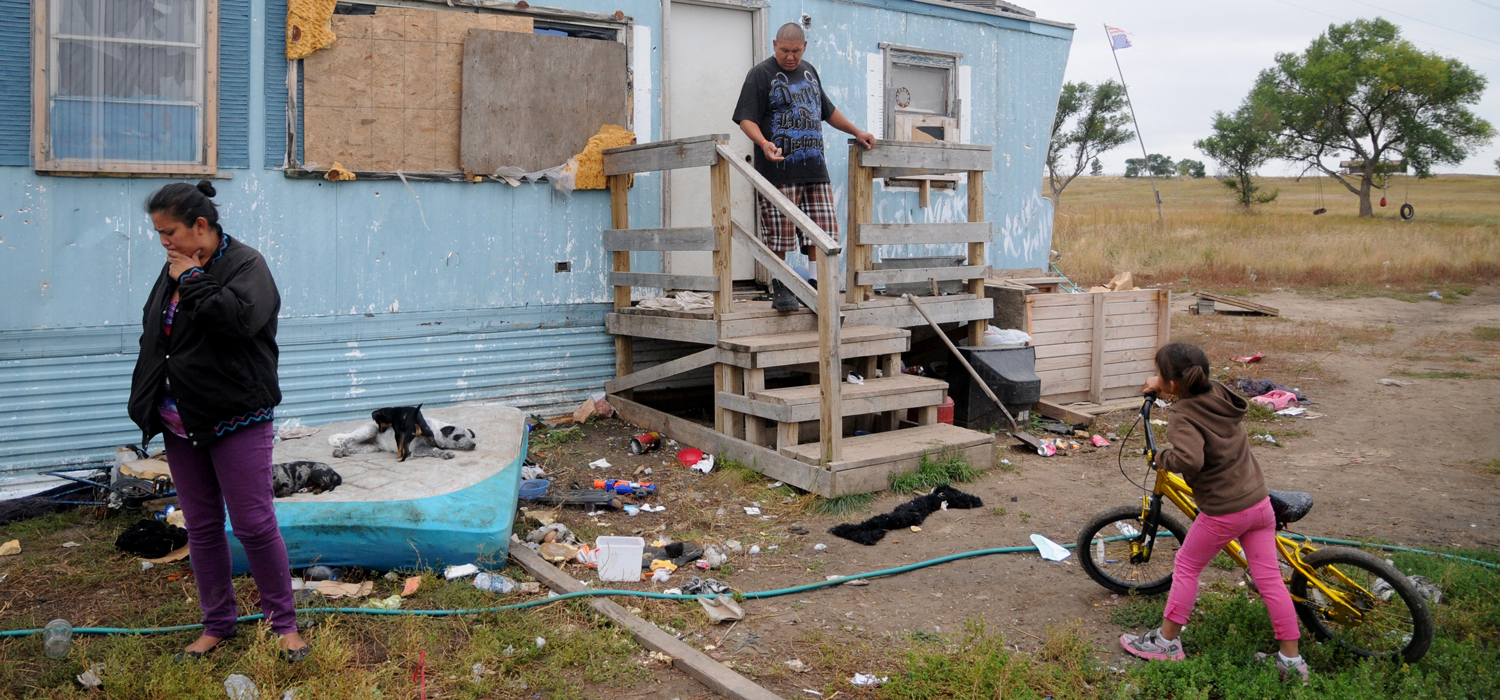

Substance abuse and mental health issues are significant concerns on Indian Reservations. High rates of poverty, unemployment, and historical trauma contribute to a cycle of addiction and despair. Limited access to mental health services and culturally appropriate treatment options further exacerbate these challenges.
Alcohol and drug abuse can have devastating consequences for individuals, families, and communities. Addressing these issues requires a comprehensive approach that includes prevention, treatment, and support services. Furthermore, it is essential to address the underlying social and economic factors that contribute to substance abuse and mental health problems.
Cultural Preservation and Identity
Preserving Native American cultures and languages is essential for maintaining tribal identity and resilience. However, cultural preservation efforts are often hampered by historical trauma, assimilation policies, and a lack of resources. Many Native American languages are endangered, and traditional cultural practices are at risk of being lost.
Efforts to revitalize Native languages and cultures are gaining momentum. Tribal communities are developing language immersion programs, cultural centers, and educational initiatives to promote cultural awareness and preservation. These efforts are crucial for empowering Native Americans and ensuring that their unique cultures continue to thrive.
Environmental Concerns
Many Indian Reservations face environmental challenges, including pollution, resource depletion, and the impacts of climate change. The exploitation of natural resources on or near reservations can lead to environmental degradation and health problems. Furthermore, climate change is disproportionately impacting Native American communities, who often rely on traditional ecological knowledge and practices for their livelihoods.
Protecting the environment and promoting sustainable development are essential for the well-being of Native American communities. This requires collaboration between tribal governments, federal agencies, and private sector stakeholders to ensure that environmental regulations are enforced and that tribal sovereignty is respected.
Addressing the Issues: Potential Solutions
- Increased Funding: Adequate funding for essential services such as healthcare, education, and infrastructure is crucial.
- Economic Development: Promoting economic diversification and creating job opportunities on reservations can help reduce poverty.
- Cultural Preservation: Supporting efforts to revitalize Native languages and cultures can strengthen tribal identity and resilience.
- Improved Healthcare: Expanding access to healthcare services and addressing health disparities are essential for improving the health and well-being of Native Americans.
- Educational Reform: Investing in quality education and culturally relevant curriculum can improve educational outcomes for Native American students.
- Tribal Sovereignty: Respecting tribal sovereignty and self-determination is essential for empowering Native American communities to address their own challenges.
The Role of Collaboration
Meaningful progress requires collaboration between tribal governments, federal agencies, state governments, and private organizations. Open communication, mutual respect, and a commitment to shared goals are essential for building effective partnerships.
Tribal governments must be empowered to lead the way in addressing the challenges facing their communities. Federal and state agencies should provide support and resources while respecting tribal sovereignty and self-determination.
The Importance of Advocacy
Raising awareness about the social issues on Indian Reservations is crucial for garnering support and promoting policy changes. Advocacy groups, community organizations, and individual citizens can play a vital role in amplifying the voices of Native Americans and advocating for their rights.
By educating the public and engaging with policymakers, we can help create a more just and equitable society for Native American communities.
Answering Common Questions (People Also Ask)
What are the biggest problems on Indian Reservations? The biggest problems include poverty, unemployment, inadequate healthcare, underfunded education systems, substance abuse, and loss of cultural identity.
Why is there so much poverty on Indian Reservations? Poverty is driven by historical injustices, lack of economic opportunities, limited access to resources, and geographic isolation.
How can we help Native American reservations? Support tribal sovereignty, advocate for increased funding for essential services, promote economic development, and raise awareness about the challenges faced by Native American communities.
What is the role of the US government in addressing these issues? The US government has a treaty obligation to provide for the well-being of Native American tribes. This includes providing funding for healthcare, education, and other essential services, as well as respecting tribal sovereignty.
Conclusion: A Path Towards Progress
The journey toward progress demands continuous learning, adaptation, and unwavering support for the resilience and cultural richness of Native American tribes. It’s a collective responsibility to ensure that the promises made in treaties are honored and that Native American communities have the opportunity to thrive.


