
The Ramah Navajo Indian Reservation, often referred to as the Ramah Diné community, stands as a testament to enduring cultural identity and remarkable resilience. Nestled within the captivating landscapes of west-central New Mexico, this reservation holds a unique position, both geographically and historically, within the broader tapestry of the Navajo Nation.
Unlike many other parts of the expansive Navajo Nation, the Ramah Navajo operate as a distinct, self-governing entity, a status that has been shaped by decades of unique historical circumstances and unwavering self-determination. This independence allows them to chart their own course while maintaining strong ties to their Diné heritage.
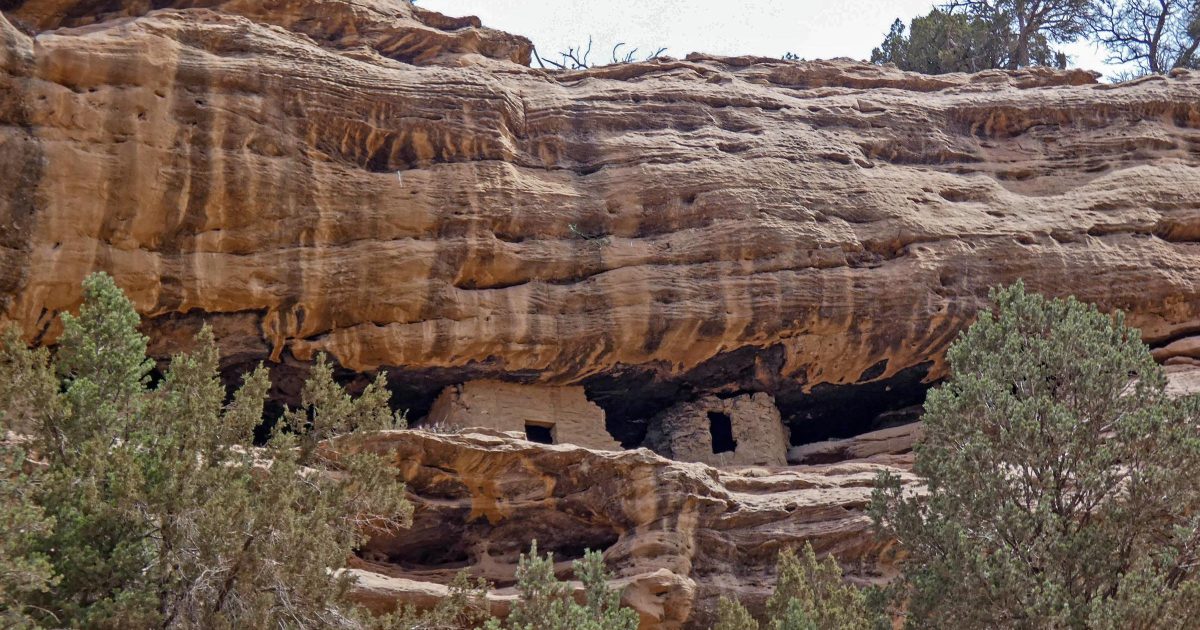
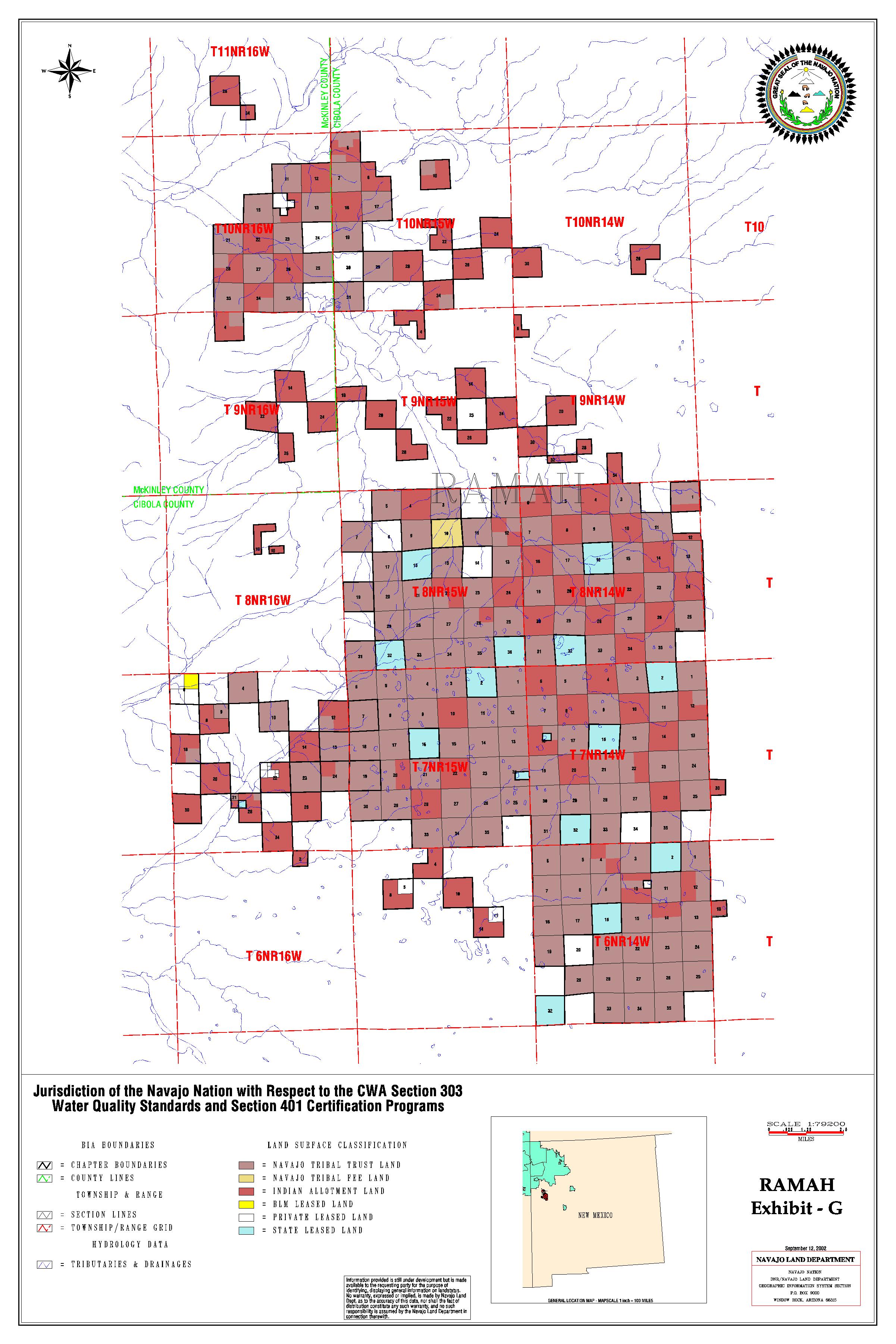
Geographically, the Ramah Navajo Reservation is situated primarily in Cibola County, New Mexico, near the Zuni Mountains and the El Malpais National Monument. Its landscape is a striking blend of high desert mesas, ponderosa pine forests, and dramatic volcanic formations, offering breathtaking vistas and a rich natural environment that has sustained its people for generations.
The primary community within the reservation is Pine Hill, New Mexico, which serves as the administrative and cultural hub. The surrounding area is characterized by scattered homes, traditional hogans, and agricultural lands, reflecting a deep connection to the land and a way of life that balances tradition with modern living.
The history of the Ramah Navajo is profoundly shaped by their interactions with the surrounding communities and the federal government. Their distinct status emerged from a complex series of land acquisitions and administrative decisions in the late 19th and early 20th centuries, setting them apart from the main Navajo Nation reservation established by the Treaty of 1868.
Originally, many Ramah Diné families lived in scattered homesteads and ranches. The formal establishment of the reservation in 1913, through a series of executive orders, consolidated their lands and provided a foundation for self-governance. This process, however, was not without its challenges, as the community navigated issues of land tenure and resource management.


One of the most defining aspects of the Ramah Navajo is their commitment to cultural preservation. The Diné language, known for its complexity and beauty, remains a vital part of daily life and is actively taught to younger generations. Traditional stories, ceremonies, and songs are passed down, ensuring the continuity of their rich oral tradition.
Artistic expression is another cornerstone of Ramah Navajo culture. Skilled artisans continue to practice traditional crafts such as intricate rug weaving, silversmithing, and pottery. These creations are not merely decorative items; they are imbued with cultural significance, often reflecting spiritual beliefs, historical narratives, and the natural world.
The traditional Navajo hogan, a circular dwelling built from logs and earth, symbolizes the spiritual and physical connection to the land and cosmos. While many modern homes exist, the hogan remains an important cultural icon and is still used for ceremonies and community gatherings, embodying the heart of Diné family and spiritual life.
Governance within the Ramah Navajo community operates through the Ramah Navajo Chapter House, which functions similarly to other chapters within the larger Navajo Nation structure but with a significant degree of autonomy. This local government body is responsible for managing tribal affairs, community services, and economic development initiatives.
The Ramah Navajo’s relationship with the broader Navajo Nation is one of shared heritage and mutual respect, yet with distinct administrative boundaries. This unique arrangement allows the Ramah Diné to address their specific local needs while still participating in broader tribal dialogues and initiatives when appropriate.
Economic development remains a primary focus for the Ramah Navajo. Given their remote location, creating sustainable economic opportunities is crucial. Efforts are underway to diversify the local economy beyond traditional ranching and limited wage employment, exploring avenues in tourism, small business development, and natural resource management.
Tourism, while nascent, holds potential. The stunning natural beauty of the area, including proximity to national parks and monuments, could attract visitors interested in ecotourism and cultural immersion. However, any tourism initiatives are carefully considered to ensure they are respectful of tribal sovereignty and cultural sensitivities.
Education plays a pivotal role in the community’s future. The Ramah Navajo School Board oversees local educational institutions, striving to provide quality education that integrates Diné language, culture, and history alongside standard academic curricula. This approach aims to equip youth with skills for the modern world while strengthening their cultural identity.
Healthcare access is a significant challenge for many remote indigenous communities, and the Ramah Navajo is no exception. Efforts are continuously made to improve healthcare services, including partnerships with federal agencies and neighboring communities, to ensure residents have access to essential medical care and public health programs.

Environmental stewardship is deeply ingrained in Diné philosophy. The Ramah Navajo people have a profound respect for ‘Mother Earth’ and ‘Father Sky,’ and this reverence guides their approach to land management and resource conservation. Protecting the unique biodiversity and natural resources of their reservation is a priority.
For those interested in visiting or learning more about the Ramah Navajo, it is essential to approach with respect and cultural sensitivity. Visitors should always seek permission before entering private lands, engaging in photography, or participating in cultural events. The best way to learn is often through official tribal channels or designated cultural centers, if available.
The challenges faced by the Ramah Navajo are common to many indigenous communities: ensuring adequate infrastructure, fostering economic growth, combating social issues, and maintaining cultural integrity in a rapidly changing world. Despite these hurdles, the spirit of the Ramah Diné remains strong and forward-looking.
The community actively works towards self-sufficiency and self-determination, continually seeking innovative solutions to improve the quality of life for its members. This includes initiatives focused on renewable energy, housing improvements, and youth programs designed to empower the next generation of leaders.
In conclusion, the Ramah Navajo Indian Reservation is far more than just a geographical location; it is a vibrant, living testament to the enduring spirit of the Diné people. Its unique history, rich cultural traditions, and unwavering commitment to self-governance make it a remarkable and significant community within the broader landscape of Native America. Understanding the Ramah Navajo means appreciating a story of resilience, cultural preservation, and a deep, abiding connection to the land.
This community exemplifies how indigenous nations, even those with distinct administrative structures, maintain their heritage while navigating the complexities of modern society. Their journey offers valuable lessons in sovereignty, cultural tenacity, and the power of community.
The efforts in Ramah to preserve the Diné language, promote traditional arts, and educate their youth in both ancestral knowledge and contemporary skills are vital for the continuity of their unique identity. These initiatives ensure that the legacy of the Ramah Navajo will continue to thrive for generations to come.
Ultimately, the Ramah Navajo Indian Reservation stands as a beacon of cultural strength and self-determination, a testament to a people who have, against all odds, maintained their distinctive way of life and continue to build a prosperous future on their ancestral lands.
It’s a place where history resonates in the landscape, where language echoes through the canyons, and where the spirit of the Diné people shines brightly, offering a profound glimpse into a rich and vital part of America’s indigenous heritage.


