

The Unyielding Current: The Enduring History of Arizona’s Cocopah Tribe
In the sun-baked landscapes where the Colorado River once flowed untamed, a people known as the Cocopah, or "Pipa Aha Macav" – the River People – have carved an existence marked by profound connection, immense struggle, and tenacious resilience. Their history, stretching back millennia in the arid embrace of what is now southwestern Arizona and northern Mexico, is a testament to the human spirit’s ability to adapt, endure, and ultimately, reclaim its narrative against overwhelming odds. It is a story not just of survival, but of a deep cultural heritage inextricably linked to the very waters that defined their world, even as those waters were systematically diverted and diminished.
For thousands of years before European contact, the Cocopah thrived along the lower Colorado River floodplain, their lives dictated by the rhythm of its annual floods. These floods, far from being destructive, were the lifeblood of their society, depositing rich silt that allowed for sophisticated, flood-recession agriculture. Maize, beans, squash, and melons flourished in the fertile mud left behind, supplemented by hunting and gathering from the abundant riverine ecosystem. Their traditional territory spanned from the river’s confluence with the Gila River south to the Gulf of California, a vast, ecologically diverse region that supported a vibrant and self-sufficient culture.
The Cocopah were part of the larger Yuman-speaking linguistic family, sharing cultural and linguistic ties with neighboring tribes like the Quechan (Yuma), Maricopa, and Mohave. Their society was organized around kinship, with a deep spiritual reverence for the natural world, particularly the river, which was seen not just as a resource but as a sacred entity, the source of all life and sustenance. As one tribal elder once put it, "The river was our garden, our supermarket, our church. It was everything."
The first European incursions into Cocopah territory came in the mid-16th century with Spanish explorers like Hernando de Alarcón, who sailed up the Colorado River in 1540. Subsequent encounters with missionaries such as Father Eusebio Kino in the late 17th and early 18th centuries marked the beginning of external pressures, introducing new diseases, foreign concepts of land ownership, and attempts at conversion. However, the remote and often hostile environment of the lower Colorado initially shielded the Cocopah from the full brunt of Spanish colonization, allowing them to largely maintain their traditional way of life for centuries.
The true seismic shift in Cocopah history arrived with the westward expansion of the United States in the mid-19th century. Following the Mexican-American War (1846-1848) and the subsequent Gadsden Purchase (1853), the Cocopah found themselves divided by an international border, their ancestral lands arbitrarily split between the U.S. and Mexico. The California Gold Rush brought a surge of prospectors and settlers through their lands, increasing conflicts and introducing devastating diseases. Steamboats began plying the Colorado, further disrupting the ecological balance and traditional river travel.

But the most profound and irreversible change came with the construction of monumental dams along the Colorado River in the 20th century. The Hoover Dam (completed 1936), upstream on the Nevada-Arizona border, and later the Imperial Dam (completed 1938) near Yuma, Arizona, were engineering marvels designed to provide water for burgeoning cities, irrigate vast agricultural lands, and generate electricity. For the Cocopah, however, these dams were an unmitigated disaster.
The dams systematically choked off the annual floods that had sustained their floodplain agriculture for millennia. The river, once a benevolent provider, became a tamed beast, its waters diverted, its flow regulated, its life-giving silt trapped behind concrete walls. The lush riparian forests withered, the fish populations dwindled, and the very foundation of Cocopah society crumbled. Their traditional farming practices became impossible, forcing many into destitution, seeking wage labor on non-Native farms, or struggling to survive in a radically altered landscape.
Unlike many other tribes, the Cocopah never signed a formal treaty with the United States government, a fact that would haunt their claims for land and water rights for decades. Their reservation, formally established in a piecemeal fashion in the early 20th century, was a mere fraction of their aboriginal territory – a fragmented patchwork of small, often undesirable parcels, a stark contrast to the vast, fertile lands they once stewarded. The reservation today consists of three non-contiguous sections near Somerton, Arizona, totaling approximately 6,500 acres. This diminishment of land base, coupled with the loss of their primary subsistence method, led to generations of poverty, marginalization, and a relentless struggle for federal recognition and basic services.
The mid-20th century was a critical period for the Cocopah. Without guaranteed water rights, their future seemed bleak. However, their unyielding spirit, deeply rooted in their cultural identity as River People, spurred them to action. In 1964, after a long and arduous campaign, the Cocopah Tribe finally achieved federal recognition, a pivotal step that opened doors to federal programs and, crucially, bolstered their fight for water rights.
The struggle for water, however, was far from over. It took decades of legal battles and political advocacy for the Cocopah to secure their rightful share of the Colorado River’s dwindling waters. This fight, often against powerful agricultural and municipal interests, underscored the injustice of their historical dispossession. It was a testament to their tenacity that they eventually secured a water settlement, providing a foundation for future economic development and cultural revitalization.
In the late 20th and early 21st centuries, the Cocopah Tribe embarked on a path of self-determination, leveraging their sovereignty to rebuild their community and economy. Recognizing the need for diverse revenue streams, the Tribe ventured into various enterprises. The Cocopah Casino, Resort and Conference Center, established in the 1990s, became a significant economic driver, providing employment for tribal members and generating revenue for essential governmental services, infrastructure, and social programs.
Beyond gaming, the Tribe has invested in modern agriculture, cultivating crops like alfalfa and cotton on irrigated lands. They operate a gas station, a market, and other businesses, all aimed at fostering economic independence and improving the quality of life for their people. Education has become a priority, with investments in schools and scholarships to ensure future generations are equipped to lead.
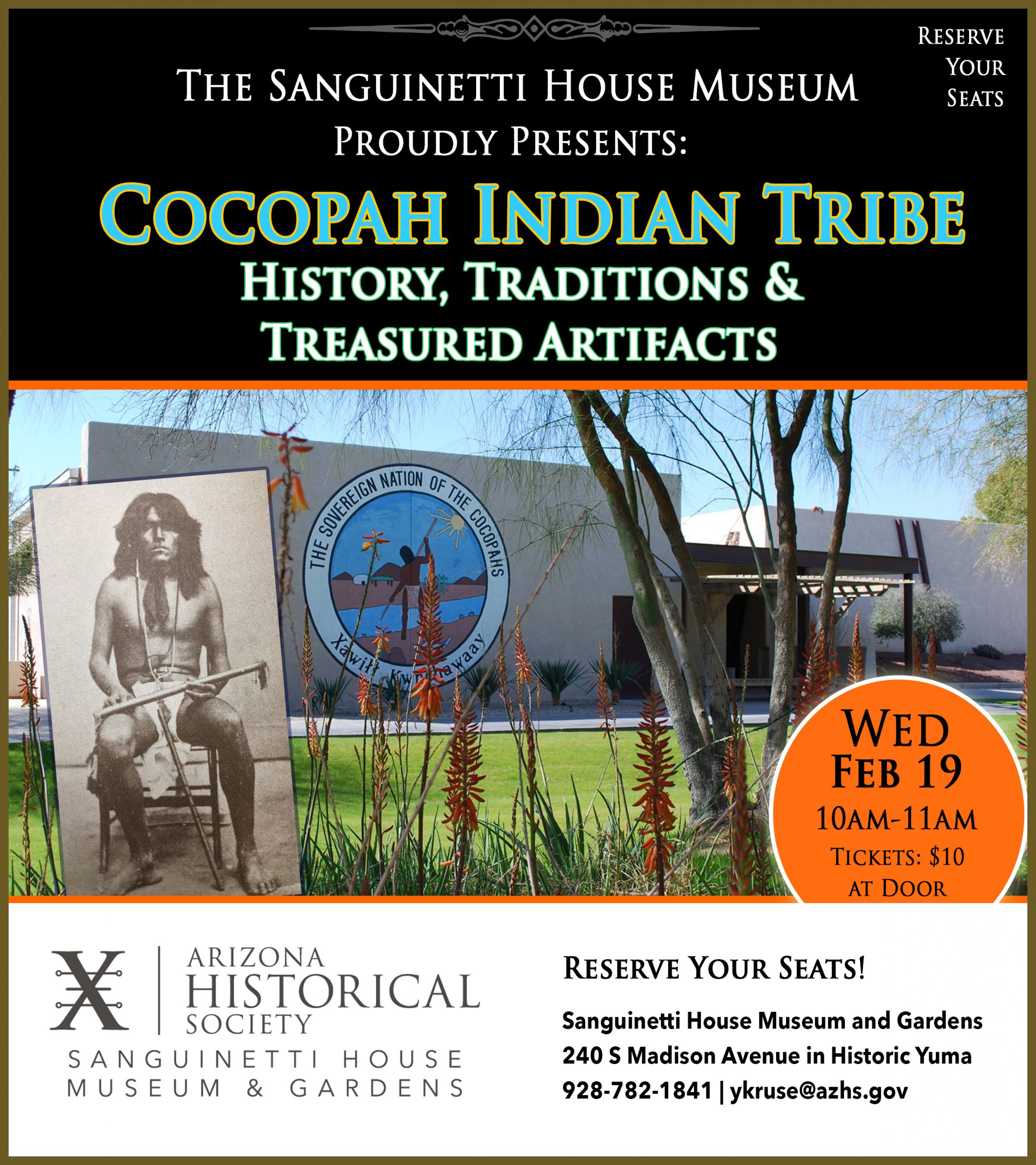
Crucially, this economic resurgence has been paired with a powerful cultural revitalization movement. The Cocopah have made concerted efforts to preserve their unique language, which faced extinction, through language immersion programs and documentation projects. Traditional ceremonies, stories, and crafts are being celebrated and passed down, reinforcing their identity and connection to their ancestors. The Cocopah Museum serves as a vital repository of their history and culture, educating both tribal members and the broader public.
Yet, the challenges persist. The lower Colorado River ecosystem remains severely altered, and ongoing drought and climate change pose existential threats to water availability in the entire Southwest. The Cocopah, like all tribes dependent on the Colorado, must navigate a future where the lifeblood of their ancestors is increasingly scarce and contested. Their proximity to the U.S.-Mexico border also presents unique social and economic complexities.


The history of the Cocopah Tribe is a compelling narrative of adaptation, resistance, and enduring spirit. From their ancient life sustained by the river’s rhythm to the devastating impact of dams and borderlines, and finally to their contemporary journey of self-determination and cultural renewal, the Cocopah have demonstrated an unwavering commitment to their identity as "Pipa Aha Macav." Their story is not merely a historical footnote but a living testament to the power of a people to remember their past, confront their present, and forge a future rooted in their unyielding connection to their ancestral lands and the precious, though altered, currents of the Colorado River. It is a powerful reminder that while rivers can be tamed, the spirit of the River People flows on, tenacious and strong.


